
Beautiful Plants For Your Interior
Beautiful Plants For Your Interior
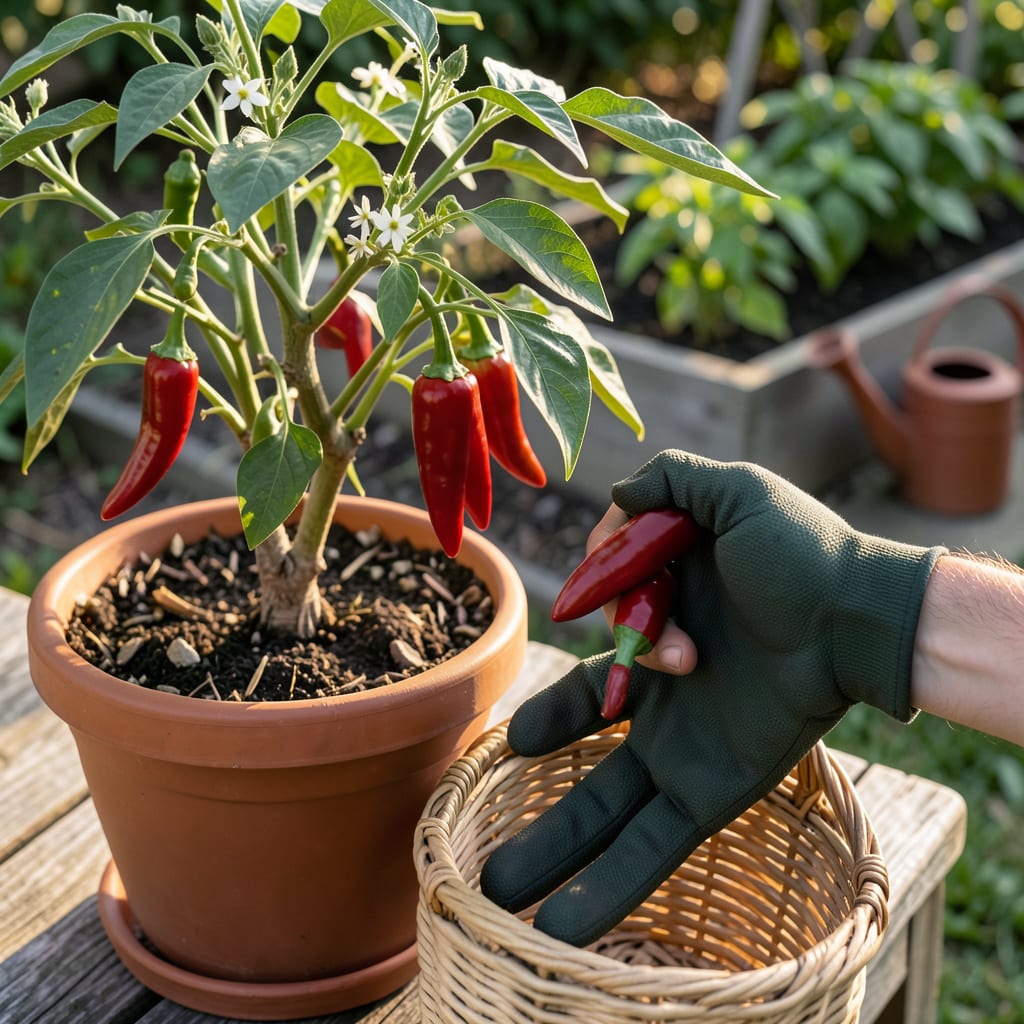
That moment when you’re staring at your jalapeño plant, wondering: Is it ready yet? Picking too soon means mild disappointment; waiting too long risks mushy peppers. The difference between a perfect harvest and a missed opportunity comes down to two simple clues.
After years of testing (and a few failed salsa batches), I’ve narrowed it down to what really matters. No guesswork—just clear signs like firmness and color shifts that even beginners can spot. Let’s cut through the confusion so you harvest with confidence every time.


If you’ve ever wondered why your homemade jalapeños taste different from store-bought, it’s likely all about when you picked them. The journey from pale green to fiery red isn’t just visual—it’s a flavor transformation. I’ll walk you through each stage so you can harvest at the perfect moment for your taste.
Most gardeners don’t realize that jalapeños change flavor dramatically as they ripen. A bright green pepper offers mild heat, while a deep red one packs serious spice. Sunlight and temperature play huge roles too—peppers in hotter climates ripen faster and develop more capsaicin (that’s the compound that brings the heat!).
| Color Stage | Days After Flowering | Flavor Profile | Best For | Harvest Tip |
|---|---|---|---|---|
| Pale Green | 30-40 days | Very mild, grassy | Pickling (crunchy texture) | Avoid picking—wait for deeper color |
| Bright Green | 50-60 days | Mild to medium heat | Fresh salsas, stuffing | Ideal for most home uses |
| Dark Green | 60-70 days | Medium heat, slightly sweet | Grilling, roasting | Peak flavor for cooking |
| Red (Fully Ripe) | 80-90 days | Hot, fruity, smoky | Drying, smoking, hot sauces | Pick before skin wrinkles |
| Purple/Black Streaks | 70-80 days | Earthy, extra hot | Specialty dishes, garnishes | Rare but prized for unique flavor |
Here’s a secret: Commercial green jalapeños are often picked early for shipping, which is why they lack depth. Your homegrown peppers can develop far more complex flavors if you let them mature fully. I recommend tasting one at each stage to train your palate—you’ll notice the heat builds gradually.
The red stage is where things get exciting. These peppers are sweeter and smokier, perfect for drying into chipotle peppers. But be warned: they’re significantly hotter! If you prefer milder heat, stick to the bright green phase. Pro tip: Wear gloves when handling red jalapeños—their oils are more potent.
Sunlight makes a surprising difference. Peppers in full sun (6+ hours) ripen faster and develop richer colors. If your plants are in partial shade, expect a slower transition. I’ve noticed that container-grown jalapeños often ripen unevenly—rotate pots weekly for even sun exposure.
Size matters too! A ripe jalapeño typically measures 2–3.5 inches long. Smaller peppers may still be immature, while oversized ones can turn bitter. Check the stem end—if it’s still soft, give it more time. The skin should look glossy, not dull.
Don’t forget that frequency matters. The more you pick, the more your plant will produce. I aim to harvest every 3–5 days during peak season. Use clean scissors or pruners to avoid damaging the plant. Twisting peppers off can snap branches, reducing future yields.
If you’re growing jalapeños for the first time, start by harvesting a few at different stages. Compare their flavors in a simple taste test—you’ll quickly learn your preferred ripeness. And remember: Red doesn’t always mean overripe. Many heirloom varieties are meant to be enjoyed fully ripe!
Finally, watch the weather. A heatwave can speed up ripening, while cool spells slow it down. In my garden, late-summer jalapeños often ripen faster than early-season ones. Keep a journal to track your plant’s progress—it’ll make next year’s harvest even better. 🌱
Color gets all the attention, but I’ve learned that texture and structure tell you even more about ripeness. A jalapeño might look ready, but if it fails these physical tests, you’re in for a disappointing crunch—or worse, a mushy mess. Let’s go beyond the obvious.
First, try the gentle squeeze test. A ripe jalapeño should feel firm with slight give, like a tennis ball. If it’s rock-hard, it’s underripe; if it’s soft, you’ve waited too long. I check by pressing near the stem end—this spot ripens last and gives the truest read.
Here’s a trick I swear by: the twist test. Grasp the pepper gently and twist. If it detaches with minimal effort, it’s ready. If you’re wrestling with it, give it more time. This method prevents damaging the plant—no scissors needed for most peppers.
Watch for size consistency too. A ripe jalapeño typically measures 2–3.5 inches long. Smaller peppers often lack full flavor, while giants can be bitter. I’ve noticed that container-grown peppers sometimes run smaller—adjust your expectations if you’re gardening in pots.
Don’t ignore the shoulders (the area near the stem). This part ripens last and often shows color streaks when ready. If the shoulders are still pale while the tip is dark, wait another day or two. Uniform color from stem to tip is your golden ticket.
Finally, trust your harvest rhythm. Once peppers start ripening, check plants daily. I harvest every 2–3 days in peak season. Frequent picking signals the plant to produce more. Use gloves if you’re sensitive—the oils intensify as peppers ripen! 🌶️
Timing your jalapeño harvest isn’t just about ripeness—it’s about how you plan to use them. The same pepper can transform from mild to fiery depending on when you pick it. I’ll break down the ideal picking windows for three common uses: fresh eating, drying, and pickling.
For fresh salsas or immediate use, harvest when peppers are bright green and firm. This stage (about 60-70 days after flowering) gives you that classic jalapeño flavor with moderate heat. The peppers should snap cleanly from the stem when gently twisted.
| Use | Color Stage | Days After Flowering | Flavor Profile | Best Harvest Sign |
|---|---|---|---|---|
| Fresh Eating | Bright green | 60-70 | Crisp, medium heat | Firm with glossy skin |
| Pickling | Light green | 50-60 | Mild, crunchy texture | Small (2-2.5 inches) |
| Drying/Smoking | Red or dark green | 80-90 | Intense heat, sweet undertones | Slightly soft with wrinkled skin |
If you’re pickling jalapeños, pick them earlier—when they’re light green and smaller (about 2 inches long). These younger peppers stay crisp after brining and absorb flavors better. I always harvest pickling peppers in the morning when they’re most hydrated for extra crunch.
For drying or smoking, let peppers fully ripen to red (or at least dark green). This takes 80-90 days but develops maximum heat and sweetness. The skins may wrinkle slightly, which is perfect for chipotle-style smoking. Pro tip: Leave them on the plant until they start to soften.
Remember, frequent harvesting actually boosts production. I check my plants every 2-3 days during peak season. Use clean scissors or pruners to avoid damaging the stem. Always wear gloves if you’re sensitive to capsaicin—the oils can linger on your skin for hours!
After harvesting, store fresh jalapeños in the fridge for 1-2 weeks or freeze for longer storage. For dried peppers, string them up in a warm, dry place. The flavor concentration will surprise you—homegrown dried jalapeños pack 3x the heat of store-bought versions! 🌶️
Most jalapeños reach harvest readiness in 60-75 days after flowering. Early picking (around 50 days) yields milder peppers, while waiting 80-90 days produces fully ripe, hotter red jalapeños.
Small jalapeños (under 2 inches) are usually immature. Wait until they reach 2-3.5 inches for optimal flavor and heat. Picking too early results in less developed taste and softer texture.
Use clean scissors or pruners to snip the stem, leaving 1/4 inch attached. Avoid twisting peppers off by hand, which can break branches. Wear gloves to protect your skin from capsaicin oils.
As jalapeños mature from green to red, their capsaicin levels increase, making them significantly hotter. Red jalapeños can be 3x spicier than green ones. Test one first if you’re heat-sensitive!
