
Beautiful Plants For Your Interior
Beautiful Plants For Your Interior
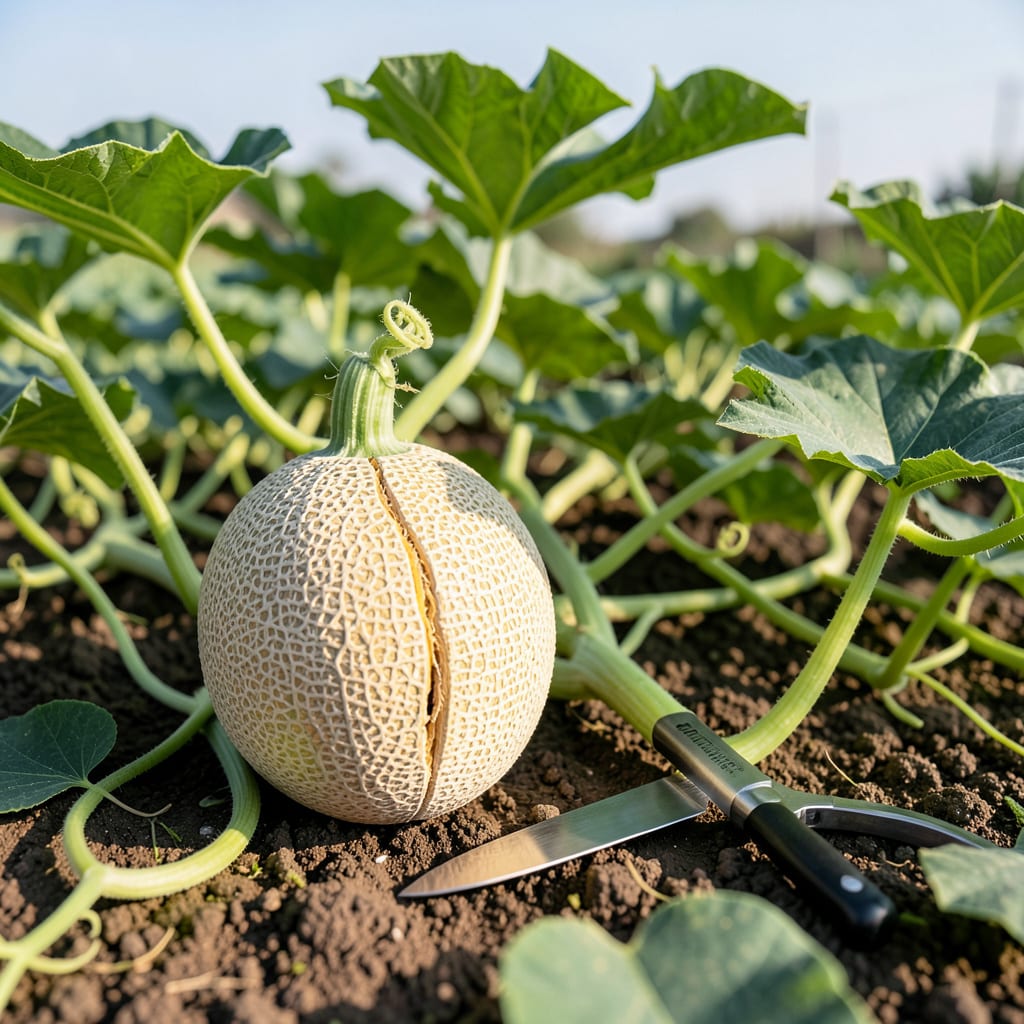
Nothing beats the disappointment of cutting into a 🍈 Cantaloupe that’s not quite ready. Picking at the perfect moment means the difference between bland and burst-with-juice sweetness.
I’ll show you the 3 foolproof field tests to check for ripeness. These simple tricks ensure you harvest your Cantaloupe at peak flavor every time.


Timing your cantaloupe harvest perfectly is an art. I rely on three field-tested methods to confirm ripeness. These techniques account for color, touch, and sound changes in the fruit.
Each method targets different biological signals the plant gives off. Combined, they eliminate guesswork about whether your melons are ready for picking.
The stem slip test is my go-to for accuracy. When the cantaloupe is ready, the stem naturally separates from the vine with minimal pressure. This is nature’s way of saying the fruit is done growing.
For the color change method, look for the under-color of the rind to transition. The area beneath the netting pattern should turn from green to a creamy beige or tan shade.
The thump test requires a bit of practice. A ripe cantaloupe produces a deep, resonant sound when tapped, similar to thumping a watermelon. An immature melon sounds dull and flat.
I always combine at least two of these ripeness tests for confirmation. The stem slip and color change are the most reliable indicators, while the thump test serves as a good secondary check.
Remember that size alone isn’t a reliable indicator. A large cantaloupe might still be unripe, while a smaller one could be perfectly sweet. Always rely on these physical cues rather than dimensions.
For best results, check your melons in the early morning when temperatures are cooler. This is when the plant’s sugars are most concentrated, giving you the most accurate read on ripeness.
With practice, you’ll develop an instinct for timing that perfect harvest. These methods have never failed me in my garden, and I’m confident they’ll work for you too.
🌱Even experienced gardeners make harvesting mistakes with cantaloupes. I’ve seen many pick melons too early or too late, missing that perfect sweetness window. These errors often stem from misunderstanding the plant’s signals.
One common mistake is relying solely on size. A large cantaloupe doesn’t guarantee ripeness, while a smaller one might be perfectly sweet. Always use the field tests I mentioned earlier to confirm.
Ignoring the Stem: The stem slip test is the most reliable indicator. If the stem doesn’t detach easily, the melon isn’t ready.
Harvesting When Wet: Picking cantaloupes after rain or irrigation can lead to spoilage. Always harvest during dry conditions.
Overlooking Aroma: A ripe cantaloupe emits a sweet scent at the blossom end. If there’s no aroma, it’s not ready.
Another frequent error is harvesting during wet conditions. Moisture on the fruit can promote mold growth and reduce storage life. I always wait for a dry, sunny morning to pick my cantaloupes.
Some gardeners also neglect the aroma test. A ripe cantaloupe should have a noticeable sweet smell at the blossom end. If you don’t detect any scent, the melon likely needs more time on the vine.
To avoid these mistakes, I recommend checking your melons daily as they near maturity. The transition from unripe to perfect can happen quickly, especially in hot weather. Stay vigilant and use multiple tests for confirmation.
Finally, don’t forget that storage conditions matter after harvest. Store cantaloupes at room temperature for a day or two to allow them to fully ripen before refrigerating. This ensures the best flavor and texture.
🌱Not all cantaloupe varieties ripen the same way. I’ve learned that each type has unique ripeness indicators that go beyond the standard tests. These differences are subtle but important for perfect timing.
For example, Hale’s Best typically shows a more pronounced netting pattern when ripe, while Athena cantaloupes develop a stronger aroma earlier in the maturation process.
| Variety | Ripeness Indicator |
|---|---|
| Hale’s Best | Deep netting, stem slips easily |
| Athena | Strong sweet aroma at blossom end |
| Ambrosia | Rind turns golden under netting |
The Ambrosia variety is particularly interesting because its rind changes to a golden hue beneath the netting when fully ripe. This color shift is more dramatic than in other types, making it easier to spot.
I always recommend checking the seed catalog or plant tag for variety-specific cues. Some newer hybrids may have slightly different indicators than traditional varieties. When in doubt, combine multiple tests for confirmation.
Remember that growing conditions can also affect ripeness signals. In cooler climates, cantaloupes may take longer to develop their full color and aroma. Be patient and observe your plants closely as they mature.
🌱If the stem won’t detach with gentle pressure, the cantaloupe isn’t ripe yet. Leave it on the vine for 2-3 more days and test again. Forcing it off early results in underripe fruit.
No, size alone isn’t reliable. A large melon may still be green inside, while a smaller one could be perfectly sweet. Always use the stem slip or color change tests instead.
Avoid harvesting when wet. Moisture promotes mold and reduces storage life. Wait for a dry, sunny morning to pick for best results.
An overripe cantaloupe often has a very soft blossom end and may emit a fermented smell. The stem may detach too easily, or the rind might feel mushy when pressed.
