
Beautiful Plants For Your Interior
Beautiful Plants For Your Interior
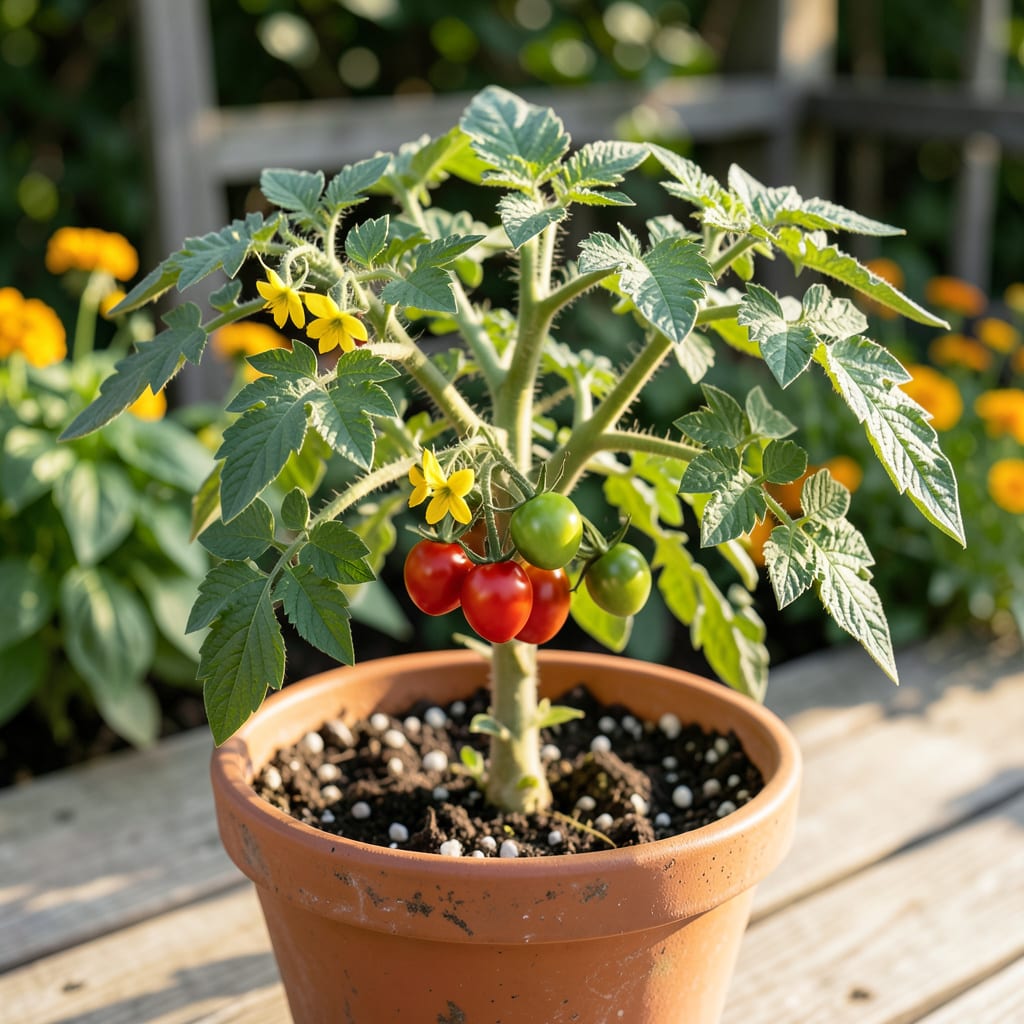
Use physical barriers like wire mesh or plant cages, apply natural repellents such as cayenne pepper or coffee grounds, and place decoy food sources away from pots. Motion-activated sprinklers and ultrasonic devices also deter squirrels without harming them.
Squirrels are relentless when they spot your container garden as a snack bar or nesting site. 🔥 The key is disrupting their routine—physical obstacles force them to look elsewhere, while scent-based deterrents exploit their sensitive noses. I’ve seen gardeners have great success with chicken wire cloches that still allow sunlight and water through. What’s clever about decoy food stations is they satisfy the squirrels’ foraging instincts while keeping your prized geraniums untouched.
Timing matters too—reapply repellents after rain and rotate methods monthly to prevent squirrels from getting accustomed. The motion-activated solutions work particularly well because they create an unpredictable environment, which squirrels instinctively avoid. ✨
💡 In This Article
Squirrels aren’t just randomly digging in your containers—they’re following instinctive behaviors honed over millennia. 🐿️ Their primary motivation is food caching: they bury nuts and seeds in loose soil to store for winter, and potted plants provide the perfect soft, diggable medium.
A single squirrel can hide hundreds of food items each fall, which means your geranium pot might contain more buried acorns than roots by November.
The damage goes beyond stolen seeds. When squirrels dig, they disrupt root systems by creating tunnels up to 3 inches deep—enough to sever delicate feeder roots. Their sharp claws also scratch plastic and ceramic containers, leaving permanent marks.
Even worse, they’ll gnaw on container edges to sharpen their constantly-growing teeth, which can destroy thin plastic pots in just 2-3 days of persistent chewing.
Nesting behavior compounds the problem. Female squirrels seek soft materials like moss and shredded bark for their dreys (nests), and your potted plants offer a convenient source. I’ve seen entire succulent arrangements dismantled overnight as squirrels pulled apart the soil and plants to line their nests.
The timing peaks in spring and fall when they’re most active building or repairing nests.
What makes container gardens particularly vulnerable is their elevated position. Squirrels naturally prefer to forage off the ground to avoid predators, and your patio pots at 2-4 feet high are in their ideal comfort zone.
They’ll also use the rims of large containers as perches while eating, which is why you often see half-eaten flowers scattered below your plants.
The sensory appeal matters too. Squirrels have an exceptional sense of smell—about 1,000 times more sensitive than humans—and can detect the faintest scent of fertilizer or fresh soil from 50 feet away. That newly-potted basil isn’t just visible; it’s broadcasting its presence through smell.
Their whiskers are so sensitive they can detect soil texture changes, which is why they’ll dig in freshly-watered pots first.
Here’s what’s particularly frustrating: squirrels remember food sources. If they successfully raid your container once, they’ll return daily and even recruit other squirrels. Studies show they can remember hundreds of food locations for months.
That’s why consistent deterrence is crucial—one successful raid can mean weeks of repeated attacks as they establish your garden as part of their foraging route. 🌱
No, cayenne pepper won’t damage plants when used properly. Mix 1 tablespoon with 1 quart of water and spray lightly on soil surfaces. The capsaicin deters squirrels without affecting plant growth. Always test on a small area first.
Natural repellents like pepper sprays or coffee grounds need refreshing every 3-5 days or after rain. Their effectiveness fades quickly, especially in outdoor conditions. For best results, alternate between different repellents weekly.
Most motion-activated sprinklers function year-round, but freezing temperatures may require winterization. Check your model’s specifications—some need to be drained or disconnected when temps drop below 32°F. The sudden water spray remains effective even in cold weather.
Hang baskets at least 5 feet high and add wire mesh barriers around the rim. Squirrels can jump impressive distances, so combine height with deterrents. Try hanging CDs or aluminum pie pans nearby—the reflections and noise deter them.
Yes, squirrels are smart and will adapt to static deterrents. Rotate methods monthly—switch between scents, physical barriers, and motion devices. This prevents them from learning patterns and keeps your plants protected long-term.
