
Beautiful Plants For Your Interior
Beautiful Plants For Your Interior
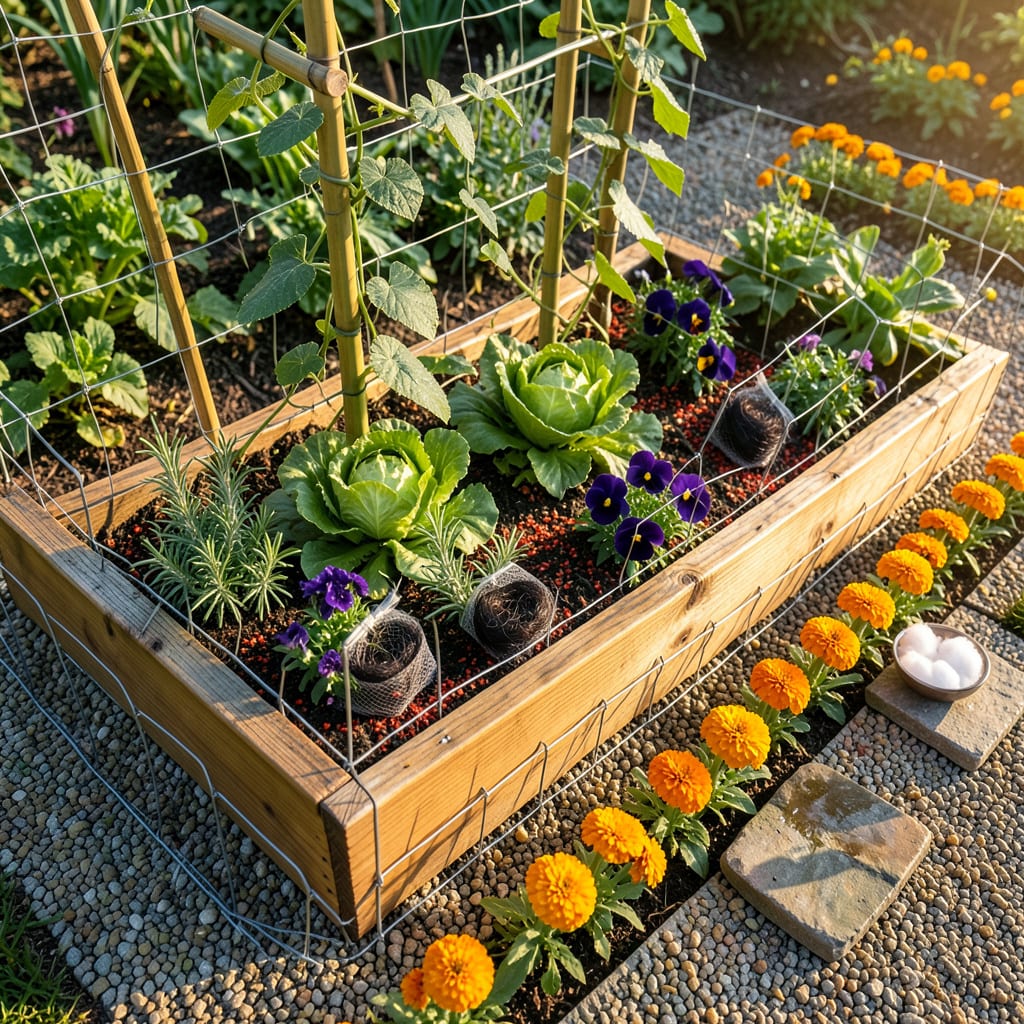
One morning last spring, I walked outside to find my tulips nibbled down to stubs. Rabbits had turned my garden into an all-you-can-eat buffet overnight. The frustration is real—these cute but destructive visitors can wipe out weeks of growth in hours, targeting everything from young vegetables to prized flowers.
Here’s the good news: you don’t need harsh chemicals or inhumane traps to protect your plants. After testing (and failing with) multiple methods, I’ve landed on seven humane, garden-friendly solutions that actually work—no bunny casualties required. The key is understanding what attracts them and using their natural behaviors against them.
📚 In This Guide
These proven methods create a rabbit-resistant garden without harming wildlife or sacrificing aesthetics.
Begin by surveying your garden at dawn and dusk when rabbits are most active. Look for clean, angled cuts on young shoots—this distinctive damage differs from deer browsing or insect chewing. Pay special attention to tender greens like lettuce, beans, and pansies, which rabbits target first.
Note the specific entry points rabbits use to access your garden. You’ll typically find flattened areas in grass where they hop through, or gaps under fences wider than 3 inches. I mark these spots with small flags for targeted protection measures later.
For immediate protection, construct a 2-foot tall chicken wire fence buried 6 inches deep to prevent digging underneath. The mesh should be no larger than 1-inch squares—rabbit kits can slip through anything bigger. Bend the bottom 6 inches outward at a 90-degree angle to create an underground deterrent.
For individual plants, use ¼-inch hardware cloth to create protective cylinders around vulnerable specimens. These should extend 18 inches above ground and be secured with landscape staples. Remove them only after plants mature and develop woody stems that rabbits typically avoid.
Create a repellent spray by combining 2 tablespoons of hot sauce, 1 minced garlic bulb, and 1 teaspoon of dish soap in 1 gallon of water. Strain and apply weekly to foliage, always in the evening to prevent leaf burn. The capsaicin creates an unpleasant sensation without causing harm.
Rotate repellents every 3-4 weeks to prevent rabbits from acclimating. I alternate between the hot pepper spray and a commercial product containing putrescent whole egg solids. Reapply after rain or heavy watering, as the protective coating washes away quickly.
Remove brush piles, tall grass, and dense ground covers where rabbits nest. Maintain a 2-foot wide strip of bare soil or gravel around garden perimeters—this open space makes rabbits feel exposed to predators. I’ve found that planting a 3-foot wide border of rabbit-resistant plants like lavender or Russian sage creates an effective living barrier.
Eliminate water sources like dripping faucets or shallow birdbaths that attract rabbits. Position any remaining water features at least 20 feet from garden areas. The combination of food and water in one location creates an irresistible rabbit buffet.
Establish a sacrificial planting of rabbit favorites like clover, lettuce, or young dandelions at least 30 feet from your garden. This distance is critical—any closer and they’ll simply eat both areas. I use raised beds for these distraction plantings to contain their spread.
Monitor the distraction area weekly and replenish as needed. When the plants become overgrazed or bolt, replace them immediately. The goal is to make this alternative food source more appealing than your carefully tended vegetables and flowers.
After years of battling rabbits in my own garden, I’ve learned that success comes down to consistency and attention to detail. These practical insights will help you implement the protection methods more effectively.
Barrier Installation Insight: When constructing the 2-foot tall chicken wire fence in Step 2, pay special attention to the 6-inch outward bend at the bottom. This L-shaped configuration is what prevents rabbits from digging underneath – they’ll hit the buried section and the outward extension simultaneously. I’ve found that using landscape staples every 12 inches along this buried section provides extra security against determined diggers.
Repellent Application Technique: For the hot sauce repellent in Step 3, timing and coverage are everything. Apply in the late evening when dew is forming – this helps the solution adhere better to plant surfaces. Use a fine mist sprayer rather than a stream to ensure complete coverage, especially on the undersides of leaves where rabbits often start feeding. The 2 tablespoons of hot sauce per gallon ratio is perfect – stronger concentrations can burn plants, while weaker solutions won’t deter rabbits effectively.
Habitat Modification Nuance: The 2-foot wide bare strip mentioned in Step 4 is more effective if you incorporate coarse gravel rather than just bare soil. Rabbits dislike walking on the uneven, sharp-edged gravel surfaces. I recommend using 3/4-inch crushed stone for maximum effectiveness. This creates both a physical and psychological barrier – the texture is uncomfortable on their sensitive paws, and the open space makes them feel vulnerable to predators.
Distraction Planting Strategy: When setting up the sacrificial planting in Step 5, consider using a mix of fast-growing and slow-growing rabbit favorites. I plant quick-maturing lettuce varieties alongside slower-growing clover. This ensures there’s always something appealing available as different plants reach their peak attractiveness at different times. The 30-foot distance is non-negotiable – I once tried 20 feet and the rabbits simply divided their time between both areas.
Use humane deterrents like fencing (chicken wire buried 6″ deep), natural repellents (garlic/pepper sprays), or plant rabbit-resistant species like marigolds or lavender. Avoid chemicals—opt for motion-activated sprinklers or commercial repellents labeled “pet-safe.”
Start before spring when rabbits get active! Young plants in early growth (March–May) are most vulnerable. Reapply repellents after rain and check fences weekly. Winter prep (clearing brush) reduces hiding spots come spring.
Are there plants rabbits won’t eat?
Yes! Rabbits usually avoid strong-smelling or fuzzy-leaved plants like:
Repellents wash off (reapply every 5–7 days or after rain). Rabbits also adapt—rotate sprays (switch between garlic, predator urine, or commercial brands). Add physical barriers like cloche covers for seedlings or raised beds with hardware cloth liners.
Temporarily! Rabbits are smart and will ignore static decoys in 2–3 weeks. For better results, move decoys daily or pair with motion-activated lights/sprinklers. Realistic predator scents (like fox urine) work longer but need reapplication.
