
Beautiful Plants For Your Interior
Beautiful Plants For Your Interior
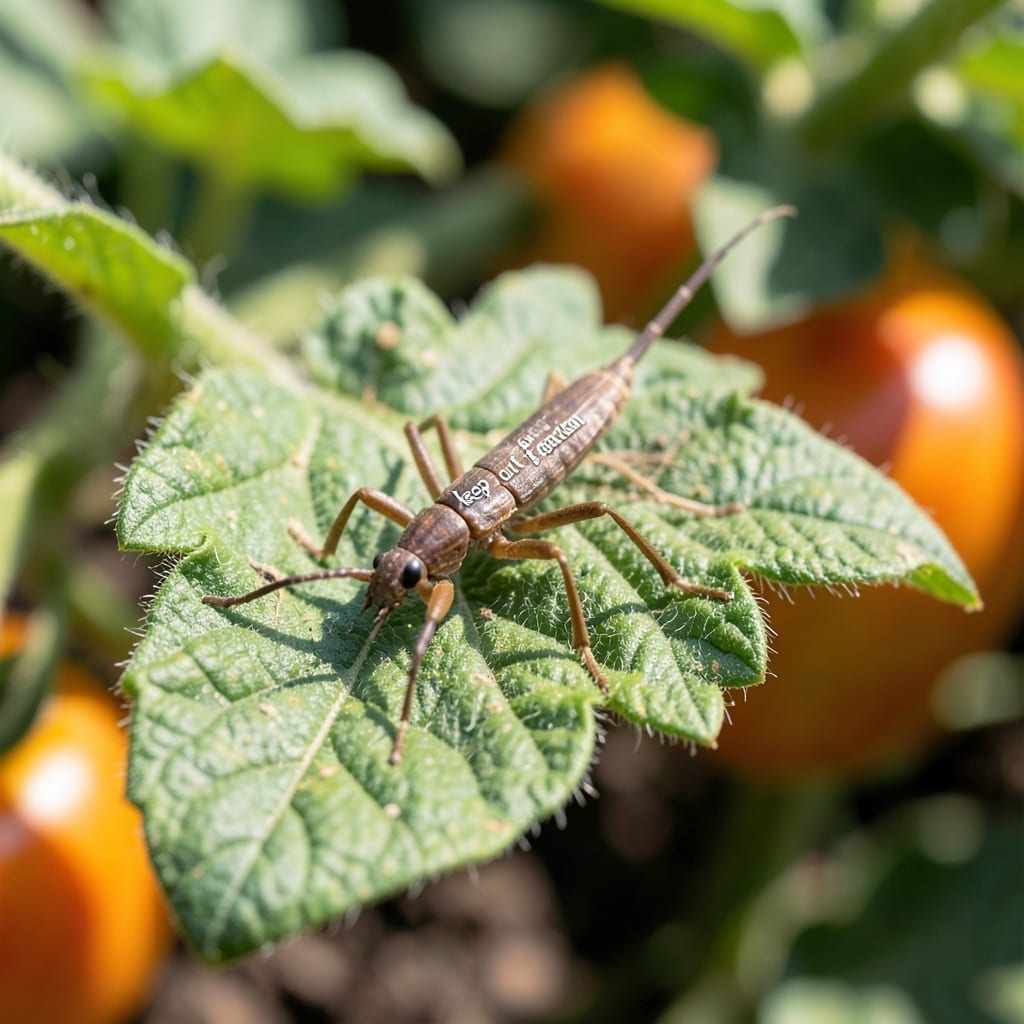
I found my dahlias chewed to lace one morning. Earwigs had thrown a midnight feast, and my garden paid the price.
These pests thrive in damp, dark spots and emerge at night to munch on petals and leaves. The good news? They’re predictable. A few simple barriers and strategic traps can turn the tables without harsh chemicals.
You’ll reclaim your plants within a week of consistent effort. No more waking up to shredded blooms or skeletonized seedlings.
Works for flower beds, vegetable patches, and container gardens alike. Here’s how to outsmart them.
Earwigs are drawn to gardens for specific, often preventable reasons. Understanding these causes helps you target solutions effectively.
Earwigs thrive in humid environments and seek out damp, dark spaces to lay eggs and shelter during the day. Overwatered soil, thick mulch, or clogged drainage systems create ideal breeding grounds. They’re especially active after rain or in gardens with poor airflow.
These nocturnal pests avoid daylight and predators by hiding under rocks, leaf litter, wood piles, or dense ground cover. Gardens with untidy debris, overgrown plants, or stacked organic matter provide perfect daytime refuges, encouraging them to stay and multiply.
Earwigs are omnivorous scavengers, feeding on decaying plant material, fungi, and even other insects. Compost piles, rotting wood, or unharvested vegetable scraps act as a buffet, attracting them in droves. They may also target young seedlings or damaged fruit if other food sources are scarce.
Earwigs are nocturnal and are often lured by outdoor lights at night, which disrupt their natural movement. Gardens near porches or pathways with bright lighting may experience higher infestations as they wander in search of food or mates.
Earwigs love damp, dark spaces and organic debris, but these simple fixes will send them packing.
Earwigs thrive in wet areas. Fix leaky hoses and ensure your garden has proper drainage. Use mulch sparingly—opt for gravel or crushed stone near plant bases to reduce moisture retention. Water plants in the morning so soil dries by evening, making it less inviting.
Piles of leaves, wood, or dense mulch are earwig hotels. Remove debris regularly, especially around garden beds. Keep compost bins sealed and away from plants. Switch to cedar mulch—its natural oils repel earwigs while still suppressing weeds.
Thick foliage traps moisture and provides hiding spots. Prune low-hanging branches and thin out dense plants to improve airflow. Space rows wider apart to reduce humidity. Earwigs prefer tight spaces, so open up your garden to discourage them.
Earwigs are nocturnal. Use rolled-up newspaper or cardboard tubes as traps—place them near plants in the evening, then dispose of them (earwigs and all) in the morning. For a reusable option, shallow dishes of soapy water sunk into the soil will drown them overnight.
💡 Pro Tip: Apply diatomaceous earth (food-grade) around garden perimeters. This natural powder dehydrates earwigs but is safe for plants and pets when used correctly.
Earwigs can pinch with their cerci, but it’s rare and not dangerous. Their pinch feels like a mild pinch and doesn’t break skin. They’re more interested in your plants than you.
Earwigs dislike strong-smelling herbs like mint, basil, and garlic. Planting these as borders can deter them naturally. They also avoid marigolds and chrysanthemums.
Check traps daily in the morning for best results. Remove and replace them immediately to prevent earwigs from escaping. Consistency is key to reducing their numbers quickly.
Food-grade diatomaceous earth is safe for plants and pets when used correctly. Apply a thin layer around plants, not directly on foliage. Reapply after rain for continued protection.