
Beautiful Plants For Your Interior
Beautiful Plants For Your Interior
My garden became the neighborhood cat playground last spring. I tried everything before finding what actually works to keep them out without harm.
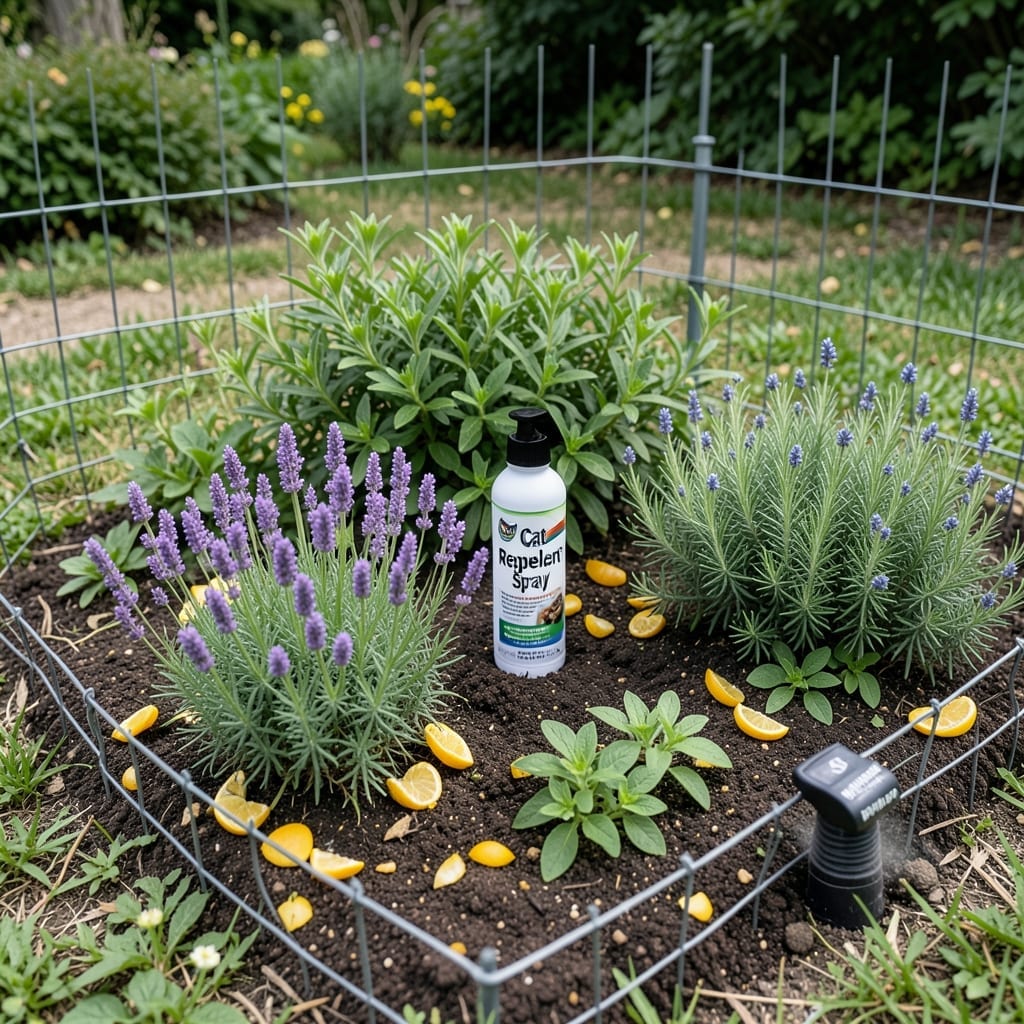
Turns out, cats hate certain smells and textures. Simple things like citrus peels, coffee grounds, or rough mulch create barriers they won’t cross. Physical deterrents like chicken wire or planted thorns work too.
You’ll see results within days. The cats move on, your plants stay safe, and you avoid harsh chemicals that could hurt pets or wildlife.
Best part? These methods cost pennies and last all season. No more digging in your flower beds or surprises in your veggie patch.
Understanding why cats are drawn to your garden is the first step in keeping them out. Here are the most common reasons, backed by science and feline behavior.
Cats are hardwired predators. Gardens often teem with small creatures like insects, birds, and rodents, which trigger their hunting instincts. Even well-fed domestic cats will stalk and pounce on moving prey as part of their natural behavior. This instinct is tied to their solitary hunting evolution, making gardens an irresistible playground.
Cats use gardens as litter boxes because loose, soft soil mimics the sandy or dirt surfaces they’d naturally dig in to bury waste. Additionally, cats have scent glands in their paws, so scratching or digging in your garden marks their territory. This behavior is a way for them to communicate with other cats and establish dominance.
Garden beds, especially those with dense foliage or mulch, provide warmth and cover for cats seeking shelter. During cooler months or in shaded areas, the soil retains heat, making it a cozy spot for napping. Cats also use gardens to escape predators, harsh weather, or even loud noises from urban environments.
Cats are neophiles—they’re naturally curious about new environments. Gardens offer a sensory smorgasbord: rustling leaves, intriguing smells, and textures underfoot. This curiosity drives them to explore, and once they associate your garden with fun or food, they’ll keep coming back.
Keeping cats out of your garden doesn’t have to be a battle. With a few simple, humane fixes, you can protect your plants while keeping curious kitties at bay. Below are targeted solutions for the most common reasons cats invade gardens, plus prevention tips to stop them from coming back.
Cats love loose dirt for bathroom breaks. Lay down chicken wire or prickly mulch (like pine cones) on bare soil. The uneven texture deters digging. For a prettier fix, plant cat-repelling herbs like rosemary or lavender.
Neutered cats are less likely to spray, but if strays are the issue, remove food sources (like exposed trash) and block hiding spots with dense shrubs or fences. A motion-activated sprinkler (like the ScareCrow) startles them without harm.
Make your garden less cozy! Place rough-textured ground covers (e.g., gravel or chopstick sticks) where they nap. Alternatively, provide a designated cat bed (filled with catnip) away from your plants to redirect their attention.
Pro tip 🎯: Rotate deterrents every few weeks so cats don’t get used to them!
Citrus peels, coffee grounds, and lavender are top choices. These scents are overwhelming to cats’ sensitive noses. Replace them weekly for best results.
Yes! The sudden spray startles cats without harm. Models like ScareCrow cover 100 sq ft and work day and night.
No, it’s safe when laid flat. The uneven surface just feels uncomfortable under their paws, deterring digging.
Switch methods every 2-3 weeks to prevent cats from getting used to them. Combine scents with physical barriers for best results.