
Beautiful Plants For Your Interior
Beautiful Plants For Your Interior
That mystery shrub in your backyard has a name—and once you know it, everything changes. I spent years guessing at care routines until I learned to read the clues plants leave us. The shape of leaves, the color of bark, even how branches grow can reveal exactly what you’re working with. No botanist degree required. […]
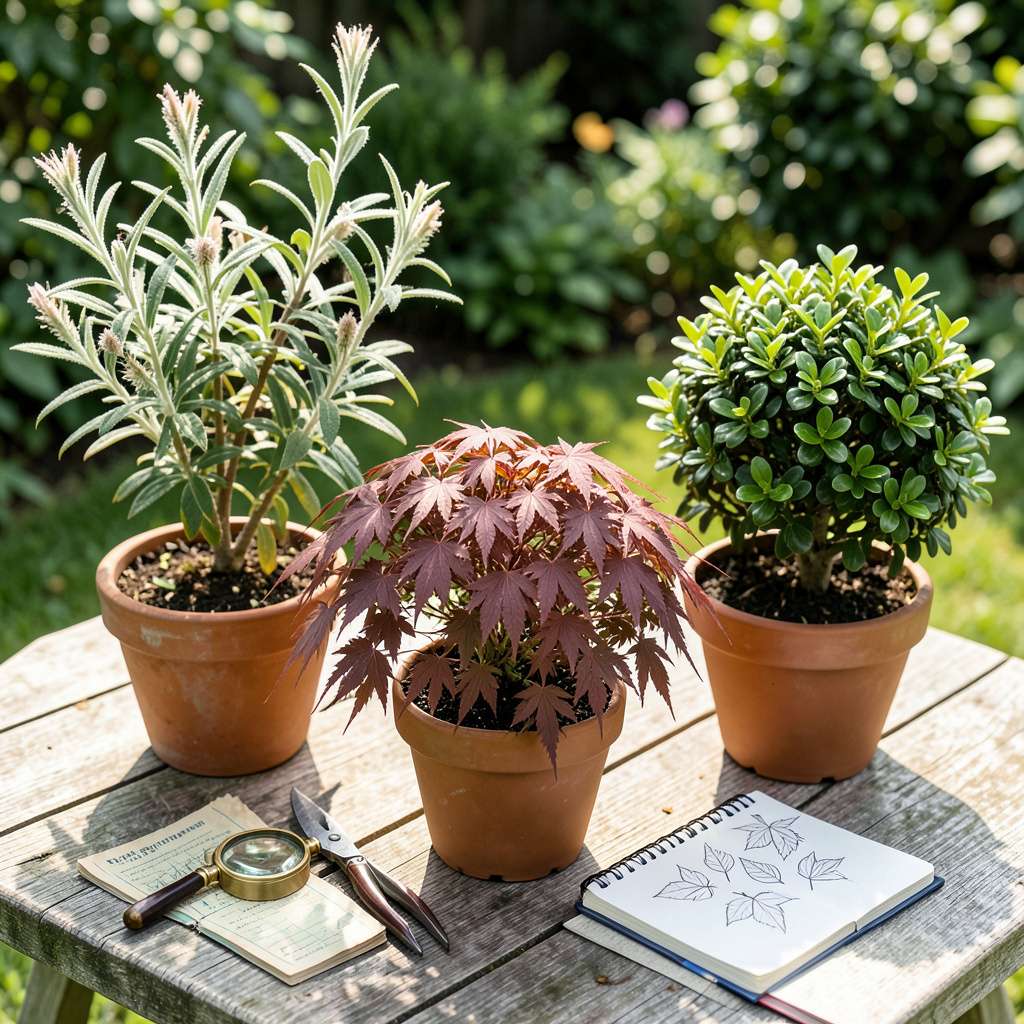
That mystery shrub in your backyard has a name—and once you know it, everything changes. I spent years guessing at care routines until I learned to read the clues plants leave us. The shape of leaves, the color of bark, even how branches grow can reveal exactly what you’re working with.
No botanist degree required. The process starts with simple observations: Are the leaves opposite or alternating? Does the shrub flower in spring or summer? Is the bark smooth or peeling? These details narrow down possibilities faster than any app. My own yard went from “green blobs” to a curated collection once I mastered this.
You’ll begin recognizing patterns immediately. Rounded leaves often mean hydrangeas, thorns suggest roses or pyracantha, and winter berries point to hollies or cotoneasters. Within 20 minutes of focused looking, most shrubs reveal their identity through these visual cues.
The payoff goes beyond names. Knowing your shrubs means proper pruning times, ideal planting partners, and solving problems before they start. That overgrown “bush” might become your garden’s star once you understand what it truly needs to thrive.
📚 In This Guide
You don’t need a botany degree—just a keen eye and this simple process to recognize what’s growing.
Start by looking at the shape, edges, and arrangement of the leaves. Are they simple (single leaf per stem) or compound (multiple leaflets on one stem)? Check the edges—smooth, serrated, or lobed? I always rub a leaf between my fingers to feel the texture too; some are waxy, others fuzzy or leathery.
Notice how leaves attach to the stem. Opposite arrangement (pairs at each node) narrows it down to dogwoods or viburnums. Alternate arrangement (single leaves staggered) could be lilacs or spireas. Grab a few leaves from different branches—sometimes they vary on the same plant.
Step back and look at the shrub’s overall form. Is it rounded like a hydrangea, columnar like a juniper, or weeping like a forsythia? I trace the main branches with my eyes—their direction tells a lot. Upright branches suggest lilacs, while horizontal layers often mean yews or boxwoods.
Check the height too. Most shrubs stay under 15 feet tall, but knowing if yours is 3 feet (dwarf varieties) or 12 feet (full-size) helps eliminate possibilities. I’ve found that taking a photo from a distance helps me see the true shape better than standing right next to it.
The bark often gets overlooked, but it’s a goldmine of clues. Young stems might be green, red, or brown. I gently scratch the surface of a small branch—if it’s green underneath, the shrub is likely healthy and actively growing. Mature bark can be smooth (like dogwood), peeling (like birch), or deeply furrowed (like older lilacs).
Look for distinctive features: thorns suggest roses or pyracantha, while square stems might indicate a member of the mint family like bee balm. I always check where leaves meet the stem—some shrubs have noticeable buds or stipules (small leaf-like appendages) that are unique identifiers.
If your shrub is in bloom, you’ve hit the identification jackpot. Note the color, shape, and arrangement of flowers. Clustered white flowers often mean hydrangeas or mockoranges, while trumpet-shaped blooms suggest weigelas. I make a habit of checking at different times of year—some shrubs only flower for 2-3 weeks in spring.
Even without flowers, look for seed pods or berries. Bright red berries in winter usually mean holly or cotoneaster. Dry, papery seed pods might belong to a viburnum. I’ve found that taking note of when these features appear (early spring vs. late summer) is just as important as what they look like.
A basic plant identification app can verify your observations—just snap photos of the leaves, bark, and any flowers. I recommend taking pictures from multiple angles and including a close-up of where leaves meet stems. Most apps work best with clear, well-lit photos taken during daytime.
For tricky cases, I compare my findings with a simple field guide or reliable online database. Look for matches on at least three characteristics (leaf shape, growth habit, and bark or flowers) before making a final decision. Remember that some shrubs change dramatically through seasons, so what looks like one plant in summer might reveal its true identity in fall or winter.
Here’s what we’ve learned from years of helping gardeners identify mystery plants—small details make all the difference.
Leaf Examination Secret: When checking leaf arrangement in Step 1, don’t just look at one branch. I’ve found that some shrubs (like certain viburnums) can have both opposite and alternate leaves on the same plant depending on the branch’s age. Always examine several stems from different parts of the shrub, including both new growth and older branches. This prevents misidentification when plants don’t follow the textbook patterns.
Seasonal Timing Matters: The 2-3 week flowering window mentioned in Step 4 is crucial. Many gardeners miss this narrow opportunity because they’re not checking consistently. I recommend setting calendar reminders for early spring, mid-summer, and fall to catch different shrubs at their peak identification moments. Some plants like lilacs bloom briefly but leave distinctive seed pods that persist for months.
Bark Inspection Technique: For Step 3’s bark examination, here’s what nobody tells you: the best clues often appear where branches meet the main trunk. This junction area frequently shows unique coloration or texture patterns that aren’t visible elsewhere. I carry a small hand lens to examine these transition zones more closely—it’s revealed hidden characteristics that changed my identification more than once.
Documentation Strategy: The photo advice in Step 5 becomes even more powerful when you create a seasonal portfolio. Take pictures of the same shrub in winter (showing bark and structure), spring (new leaves and flowers), summer (full foliage), and fall (fruit/seed pods and color changes). This habit has helped me identify tricky plants that looked completely different across seasons.
Shrubs are typically multi-stemmed (no single trunk) and stay under 15 feet tall, while small trees have a defined trunk and grow taller. Check for branching patterns: shrubs branch near the base, while trees have a clear trunk before branches appear. Still unsure? Look for common shrubs like hydrangeas or lilacs—they’re bushier!
Spring and summer are ideal—leaves, flowers, and berries are visible for easy matching to guides. Fall works for shrubs with distinctive bark (like dogwood) or colorful foliage. Winter? Focus on evergreens (e.g., boxwood) or bud shapes. Pro tip: Snap photos in summer and compare later!
Apps like PictureThis, PlantNet, or iNaturalist use AI to analyze photos of leaves, flowers, or bark. For best results, take close-ups of key features (leaf edges, flower clusters) in good light. Cross-check with a guide for 100% accuracy—apps aren’t perfect!
Shrubs vary by age, pruning, or growing conditions (sun vs. shade). Young shrubs may lack flowers, while pruned ones appear shorter. Check for leaf shape, arrangement (opposite/alternate), and bark texture—these traits stay consistent. When in doubt, compare multiple features, not just one!
Focus on other clues:
Evergreens (like holly) are easiest to ID year-round. For deciduous shrubs, wait for leaves or use a winter twig key online.
Identifying shrubs in your yard doesn’t have to be overwhelming! By focusing on leaf shapes, growth patterns, and seasonal changes, you’ll start recognizing common varieties in no time. 🌿 Whether you’re a gardening newbie or just curious, every observation brings you one step closer to mastering your landscape.
Ready to dive deeper? Grab a notebook or a plant ID app and start documenting the shrubs you spot—you’ll be surprised how quickly your knowledge grows! For extra help, check out local gardening groups or nurseries for hands-on guidance. Happy exploring! 🌱
