
Beautiful Plants For Your Interior
Beautiful Plants For Your Interior
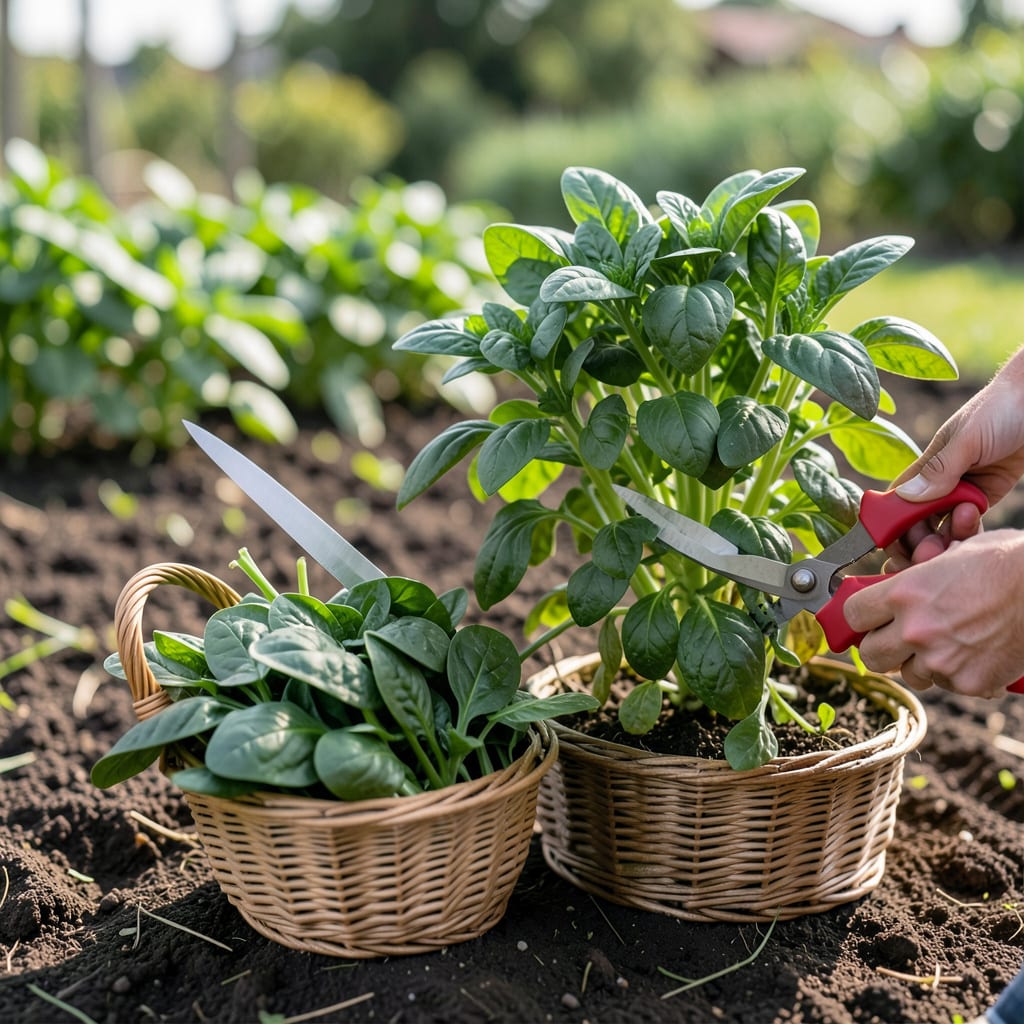
I used to think harvesting spinach meant pulling the whole plant, but then I discovered the cut-and-come-again approach. It’s a total game-changer for getting multiple harvests from a single 🥬 Spinach plant.
With the right technique, you can keep your plants producing fresh leaves all season. Let me show you how to do it properly and what to watch out for to ensure healthy regrowth.


I’ve found that the cut-and-come-again method is the best way to harvest spinach while ensuring it keeps growing. This approach lets you enjoy fresh leaves all season without harming the plant.
Timing is everything when harvesting. I always wait until my spinach plants have at least 5-6 mature leaves that are 4-6 inches long. This ensures the plant is strong enough to regrow.
How to Harvest Spinach So It Keeps Growing:
Using the right tools makes a big difference. I always keep a pair of sharp scissors or gardening shears handy. Dull tools can crush the stems, making it harder for the plant to recover.
When cutting, I focus on the outer leaves first. This allows the inner leaves to continue growing and maturing. It’s like giving the plant a haircut rather than a full shave.
I also
Timing your harvest is crucial. I prefer to harvest in the early morning when the leaves are at their peak freshness. The cooler temperatures help the leaves retain moisture and crispness.
Another key tip is to avoid over-harvesting. I never take more than 1/3 of the plant at once. This ensures the spinach has enough foliage left to photosynthesize and regrow.
After harvesting, I give my plants a little TLC. A light watering helps them recover, and I sometimes add a bit of balanced fertilizer to encourage new growth. This keeps my spinach plants healthy and productive.
With these steps, I’ve been able to enjoy multiple harvests from the same plants. It’s satisfying to see my spinach patch thrive and provide fresh leaves throughout the season. ✂️
After harvesting your spinach, the real work begins to ensure it bounces back strong. I’ve learned that post-harvest care is just as important as the cutting technique itself for encouraging regrowth.
First, I always give my plants a deep watering right after harvesting. This helps them recover from the stress and replenishes moisture lost during the process.
Key Post-Harvest Care Tips:
Fertilizing is another critical step. I use a 10-10-10 balanced fertilizer every 4-6 weeks to give my spinach the nutrients it needs. This keeps the soil rich and supports continuous leaf production.
I also monitor my plants for pests and diseases after harvesting. Spinach can attract aphids and leaf miners, so I inspect the leaves regularly. If I spot any issues, I treat them with neem oil or insecticidal soap.
Mulching around the base of my spinach plants helps retain moisture and suppress weeds. I use organic mulch like straw or grass clippings, which also adds nutrients to the soil as it breaks down.
With these practices, my spinach plants stay healthy and productive, giving me multiple harvests throughout the growing season. It’s rewarding to see them thrive with just a little extra care. 🌱
Even with the best intentions, it’s easy to make mistakes when harvesting spinach that can hinder regrowth. I’ve learned the hard way that over-harvesting is a common pitfall to avoid.
One of the biggest errors I see is cutting too close to the base. Always leave at least 1-2 inches of stem above the soil to allow for new growth.
⚠️ Avoid These Harvesting Errors:
Another mistake is harvesting too early. I wait until my plants have 5-6 mature leaves before taking any. Harvesting prematurely can stunt the plant’s growth.
I also avoid harvesting during the hottest part of the day. The leaves wilt quickly in heat, and the plant is more stressed. Early morning is always best for crisp, fresh leaves.
Using dull tools is another common error. I always use sharp scissors or shears to make clean cuts. Crushed stems can invite disease and slow regrowth.
With these precautions, my spinach plants stay healthy and productive throughout the season. It’s amazing how much difference proper technique makes. ✂️
Never remove more than 1/3 of the plant in a single harvest. This leaves enough foliage for photosynthesis and regrowth. Taking too much stresses the plant and slows new leaf production.
Early morning is ideal when leaves are most crisp and hydrated. Avoid harvesting during peak heat, as leaves wilt quickly and the plant is more stressed.
This usually means the plant needs more nutrients. Apply a balanced fertilizer every 4-6 weeks and ensure consistent watering. Small leaves can also indicate over-harvesting.
No, always use sharp, clean tools. Dull scissors crush stems, making it harder for the plant to recover and increasing disease risk. Keep a dedicated pair for gardening.
