
Beautiful Plants For Your Interior
Beautiful Plants For Your Interior
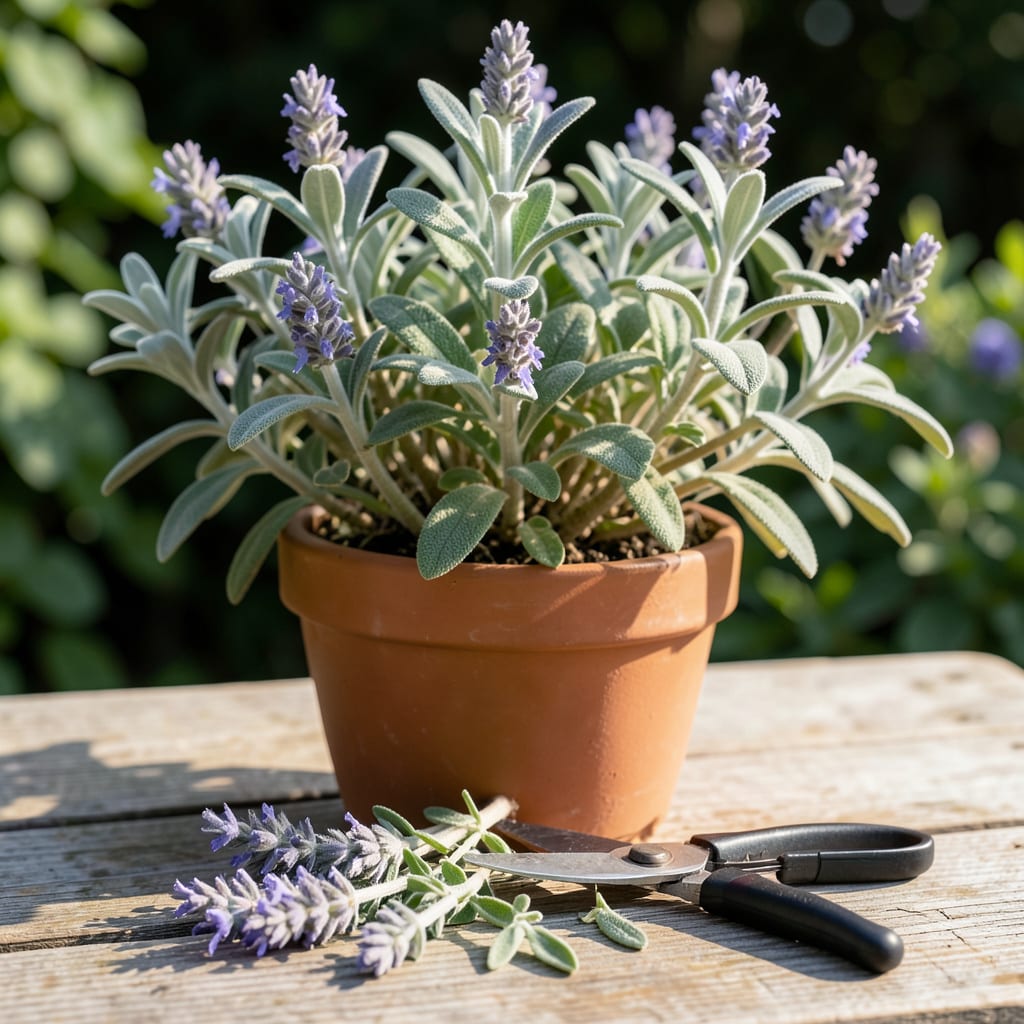
I used to struggle with keeping my 🌿 Sage thriving after harvesting until I discovered the proper technique. The key lies in knowing exactly where and how much to trim.
Discover the simple method that encourages bushier growth and ensures your plant keeps producing for seasons to come. It’s easier than you might think.


I’ve learned that harvesting sage properly is all about timing and technique. The best time to trim is in the morning after the dew has dried, when the essential oils are most concentrated.
This ensures your sage plant stays healthy and continues to produce new growth for future harvests. Using the right method makes all the difference.
Start by inspecting your sage plant for the most robust stems. These will give you the best flavor and keep the plant thriving. Always use clean, sharp shears to make precise cuts.
When cutting, focus on the upper portions of the stems. This method stimulates bushier growth from the base, ensuring your plant remains productive for years.
I recommend harvesting younger stems rather than older, woody ones. The tender growth is more flavorful and easier for the plant to replace. This keeps your sage healthy and ready for the next harvest.
After trimming, give your plant a light watering to help it recover. Avoid heavy watering, as sage prefers dry soil and can rot with too much moisture.
To keep your sage plant thriving, harvest regularly but sparingly. This practice encourages continuous growth and prevents the plant from becoming leggy or overgrown.
Finally, store your harvested sage stems in a cool, dry place. This preserves their aroma and flavor for future use while keeping your plant ready for the next round of growth. ✂️
After harvesting your sage plant, proper care ensures it bounces back stronger. I always start with a light watering to help the plant recover from the stress of pruning.
Sage thrives in dry conditions, so avoid overwatering. Instead, focus on gentle moisture and let the soil dry slightly between waterings. This mimics its natural Mediterranean habitat.
I’ve found that regular light pruning works better than occasional heavy cuts. This approach keeps the plant compact and productive while preventing it from becoming woody.
If your sage plant looks stressed after harvesting, give it a shady break for a day or two. This helps it recover before returning to full sun exposure.
Remember, sage is drought-tolerant, so it’s better to underwater than overwater. Stick to a weekly check and adjust based on rainfall and soil dryness.
With these simple steps, your sage will reward you with lush, fragrant growth all season long. It’s amazing how resilient this herb can be with the right care. 🌿
I’ve seen many gardeners accidentally harm their sage plants by making simple mistakes during harvesting. One of the most common is over-pruning, which can weaken the plant and reduce future growth.
Another frequent error is harvesting at the wrong time of day. Cutting sage in the evening or when it’s wet can lead to mold or disease, ruining your efforts.
Over-harvesting: Never remove more than 1/3 of the plant at once.
Dull tools: Always use sharp pruning shears for clean cuts.
Wrong timing: Harvest only in the morning after dew dries.
Flowering stems: Avoid cutting stems with buds or flowers.
Using dull or dirty tools is another mistake that can introduce disease or cause jagged cuts. I always clean my shears with rubbing alcohol before and after use.
Harvesting flowering stems can also be problematic. These stems have a bitter taste and can reduce the plant’s ability to produce new growth. Stick to leafy, non-flowering stems instead.
Finally, avoid harvesting too late in the season. Stop pruning about 4-6 weeks before the first frost to give your sage time to prepare for winter. This ensures it stays healthy and ready for next year. ✂️
Harvest in the morning after dew dries but before heat sets in. This preserves the essential oils and prevents wilting.
Never remove more than 1/3 of the plant in a single harvest. This prevents stress and ensures healthy regrowth.
Avoid cutting flowering stems—they taste bitter and reduce new growth. Focus on leafy, non-flowering parts instead.
Use sharp pruning shears or scissors cleaned with rubbing alcohol. Dull tools cause jagged cuts that harm the plant.
