
Beautiful Plants For Your Interior
Beautiful Plants For Your Interior
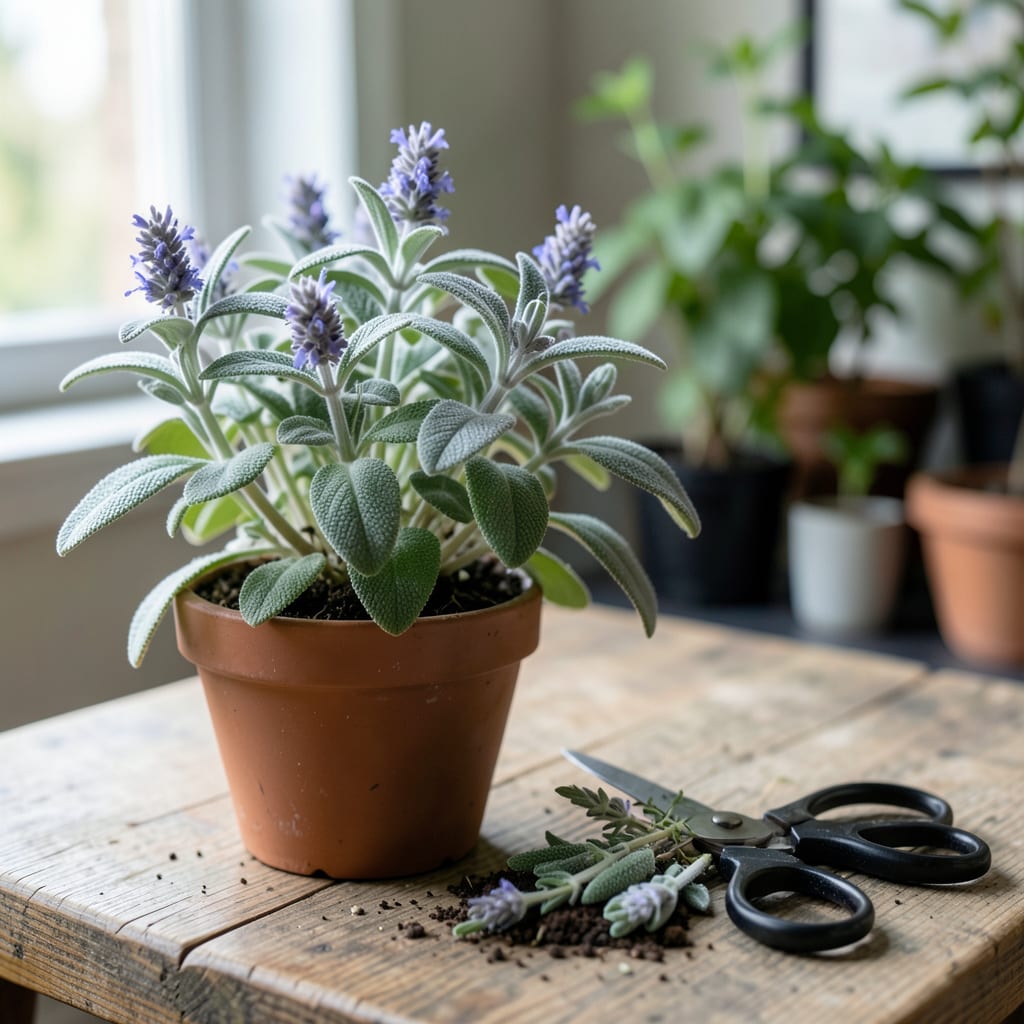
There’s nothing quite like the satisfaction of plucking fresh 🌿 Sage from your own garden. But did you know that how and when you harvest can make or break its flavor?
I’ll show you the simple steps to pick sage leaves at their peak, ensuring you get the most aromatic and flavorful herb every time. Let’s get started.


Harvesting sage herb at the right time ensures you get the most aromatic leaves possible. I always aim for a sunny morning after the dew has dried, as this is when the essential oils are most concentrated.
The best time to harvest is just before the plant starts flowering, typically in early summer. At this stage, the leaves are at their peak flavor and fragrance, making them perfect for drying or fresh use.
I recommend using clean, sharp pruners or scissors to make a clean cut. This helps prevent plant damage and reduces the risk of disease. Always cut just above a set of leaves to encourage new growth.
If you’re harvesting for immediate use, simply pluck the leaves as needed. For drying, cut longer stems and hang them upside down in a dark, well-ventilated area. This preserves the natural oils that give sage its signature flavor.
Remember, sage is a hardy herb, but it still benefits from careful handling. Avoid harvesting when the plant is wet, as this can lead to mold growth and reduce the quality of your harvest.
Another tip: Regular pruning throughout the growing season keeps the plant bushy and productive. I like to trim back my sage plants every 4-6 weeks to encourage fresh, tender growth.
If you notice flower buds forming, it’s a sign your sage is ready for a trim. Removing these buds redirects the plant’s energy into leaf production, giving you more of the flavorful foliage you love.
Finally, always leave enough foliage on the plant to support its growth. A good rule of thumb is to never remove more than one-third of the plant at a time. This ensures your sage stays healthy and continues to thrive.
With these steps, you’ll enjoy a bountiful harvest of fragrant, flavorful sage all season long 🌿
Once you’ve harvested your sage herb, proper drying and storage are key to preserving its aroma and flavor. I always start by removing any damaged leaves and giving the stems a gentle shake to remove dust or insects.
The most traditional method is air drying. Bundle 5-6 stems together and hang them upside down in a dark, warm place with good airflow. This process typically takes 1-2 weeks for the leaves to become crisp and dry.
For faster results, you can use an oven drying method. Spread the leaves on a baking sheet and place them in an oven set to its lowest temperature, around 170°F. Leave the oven door slightly open to allow moisture to escape.
If you prefer to keep your sage fresh, store unwashed stems in the refrigerator wrapped in a damp paper towel. This method keeps the leaves fresh for up to a week, perfect for when you need sage on hand for daily use.
For long-term storage, once your sage is completely dry, remove the leaves from the stems and store them in an airtight container. Keep the container in a cool, dark place to maintain the herb’s potency for up to 6 months.
Remember, the key to preserving sage’s flavor is to keep it dry. Any moisture left in the leaves can lead to mold, ruining your hard-earned harvest. With these methods, you’ll have flavorful sage ready for use whenever you need it 🌿
Harvesting sage herb incorrectly can harm both plant health and flavor quality. I’ve seen many gardeners make simple errors that reduce their harvest’s potency. Avoiding these pitfalls ensures your sage stays thriving and flavorful.
One of the most common mistakes is harvesting at the wrong time. Picking sage in the afternoon heat or after rain can dilute its essential oils, leading to weaker flavor. Always wait for a dry, sunny morning for the best results.
Over-Harvesting: Removing more than 1/3 of the plant stresses it and slows regrowth.
Cutting Too Low: Avoid cutting into woody stems—this can prevent new growth.
Wet Harvesting: Picking wet leaves encourages mold and rot during storage.
Ignoring Flower Buds: Letting sage flower reduces leaf production and flavor intensity.
Another error is using dull tools. Torn stems from dull pruners can damage the plant and invite disease. Always use sharp, clean shears for a clean, quick cut that heals faster.
Many gardeners also neglect post-harvest care. After harvesting, your sage needs water and light to recover. Skipping this can lead to stunted growth or a weaker plant next season.
Finally, improper storage ruins even the best harvest. Storing sage in plastic bags or humid areas traps moisture, causing mold. Use breathable containers or airtight jars in cool, dark places instead.
By avoiding these mistakes, your sage will stay healthy and productive for years to come ✂️
Early morning after dew dries is ideal. The essential oils are most concentrated then, giving you the strongest flavor and aroma
Never remove more than 1/3 of the plant in a single harvest. This prevents stress and allows for healthy regrowth.
Harvest just before flowering begins. Once buds appear, the leaves may turn bitter and less flavorful
Use sharp pruners or scissors for clean cuts. Dull tools can damage stems and invite disease.
