
Beautiful Plants For Your Interior
Beautiful Plants For Your Interior
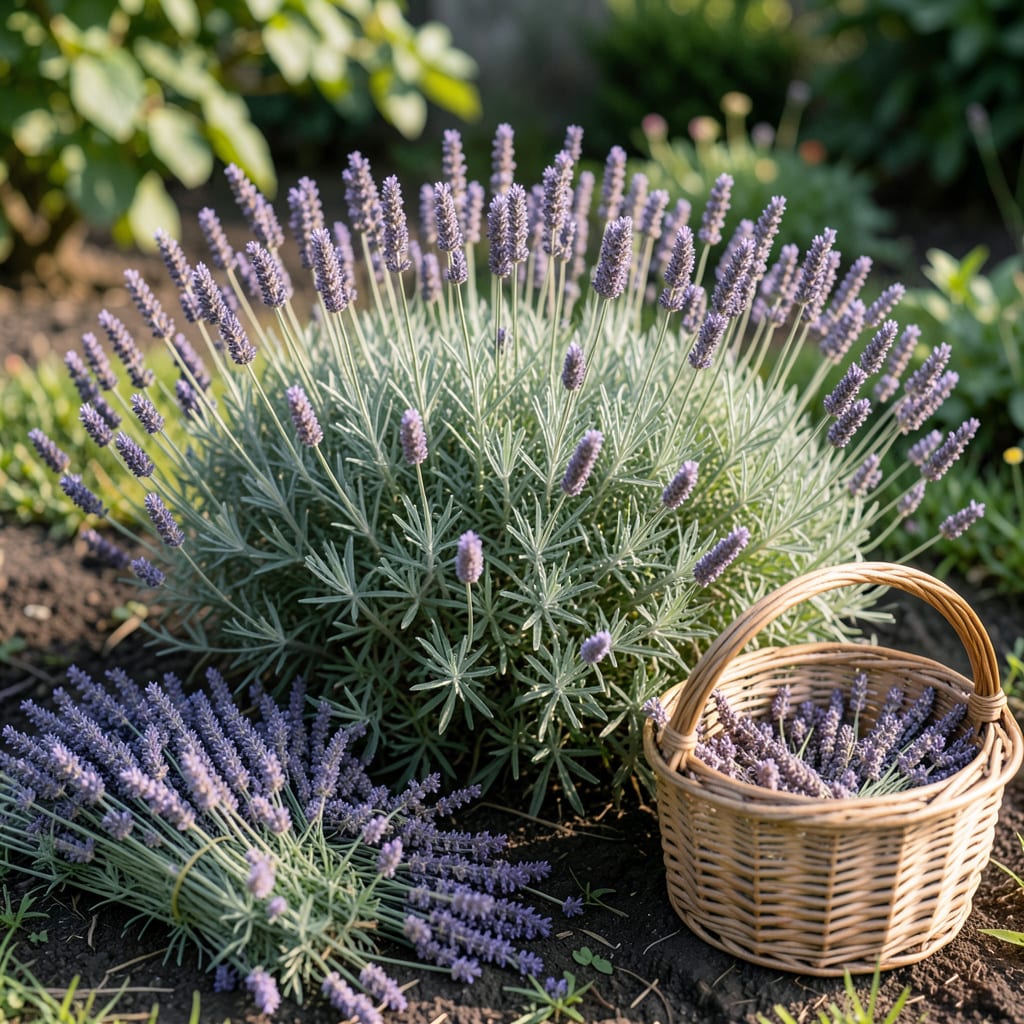
There’s nothing quite like the long-lasting scent of homegrown 🌿 Lavender in a sachet. But did you know the secret lies in harvesting at just the right moment?
I’ll show you how to pick Lavender at peak fragrance and prepare it properly. These simple steps will ensure your sachets stay aromatic for months to come.


Timing is everything when it comes to harvesting lavender for sachets. I always wait until about half the buds on each stem have opened. This is when the essential oils are at their peak.
Harvest too early, and the scent won’t develop fully. Harvest too late, and the flowers may shatter when dried. The sweet spot is mid-morning after the dew has evaporated but before the heat of midday.☀️
I always use clean, sharp pruners to make a clean cut at a slight angle. This helps the plant heal faster and prevents damage to the stem.
For the best results, I harvest in batches. This gives me time to properly process each bunch before moving on to the next. It also prevents overwhelm if you have a large lavender patch.
The time of day matters more than you might think. I avoid harvesting in the afternoon heat as this can cause the essential oils to evaporate too quickly.
Another tip: choose a dry day for harvesting. Wet flowers can develop mold during drying, which ruins both the appearance and fragrance of your sachets.
If you’re growing multiple lavender varieties, harvest them separately. Some types mature faster than others, and you want each variety at its peak fragrance for the best sachets.
Finally, handle your harvested stems gently. Rough handling can cause the flower buds to fall off prematurely, wasting that precious fragrance you worked so hard to cultivate.🌿
Not all lavender is created equal when it comes to sachet making. I’ve found that English lavender (Lavandula angustifolia) is the top choice for its strong fragrance and excellent drying properties.
French lavender (Lavandula dentata) offers larger flowers and a slightly different scent, but its retention isn’t as long. Meanwhile, Spanish lavender (Lavandula stoechas) has unique pineapple-shaped bracts but less oil content.
For the best sachets, I recommend sticking with English lavender. Its smaller flowers dry quickly and hold their scent for months, making them perfect for sachets.
French lavender can work if you love its unique look, but you’ll need to harvest earlier to preserve its fragrance. Its larger blooms take longer to dry, which can affect scent retention.
Spanish lavender is more of a visual choice. While its distinctive bracts add charm, the lower oil content means the scent fades faster. It’s better for decoration than fragrance.
If you’re growing multiple varieties, I suggest harvesting and drying them separately. This way, you can blend them later for custom sachets with the perfect scent profile.🌿
Once you’ve harvested your lavender stems, proper drying is crucial for preserving fragrance. I always start by removing any excess foliage from the lower stems to prevent mold.
Bundle 10-15 stems together and secure with a rubber band. As they dry, the stems shrink, so the band needs to stay tight to keep the bundle intact.
I prefer drying in a cool, dark closet or pantry. The lack of light helps preserve both color and scent better than any other method I’ve tried.
For faster drying, you can use a food dehydrator on the lowest setting, but I find air drying gives the best results for sachets. The slow process seems to lock in more fragrance.
Once dry, gently remove the flowers from the stems. You can use the entire flower head or just the individual buds, depending on your sachet size preference.🌿
Harvest in mid-morning after dew evaporates but before afternoon heat. This preserves the most essential oils for fragrance.
Look for stems with half-open buds, vibrant color, and a strong scent. If all buds are closed, it’s too early.
No, always dry first! Fresh flowers will mold in sachets. Drying takes 2-3 weeks in a dark, airy space.
English lavender has the best fragrance retention. French and Spanish varieties fade faster but offer unique looks.
