
Beautiful Plants For Your Interior
Beautiful Plants For Your Interior
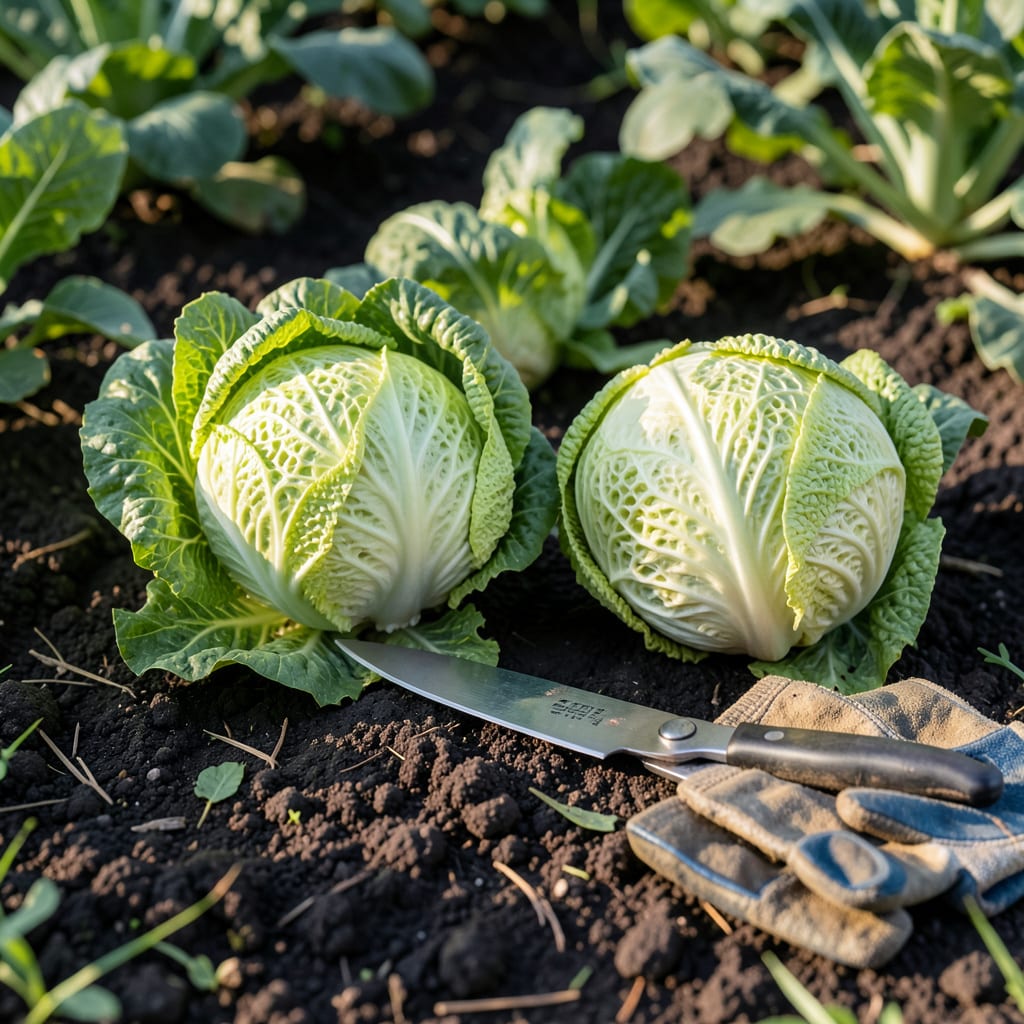
Want to get more than one harvest from your 🥬 Iceberg Lettuce? The secret lies in the cut-and-come-again approach that keeps your plants producing.
I’ll show you exactly how to harvest leaves properly so your Iceberg Lettuce continues growing. With the right technique, you can enjoy fresh lettuce all season long.


Harvesting your iceberg lettuce properly is key to getting multiple crops from one plant. The cut-and-come-again method lets you enjoy fresh leaves while encouraging new growth from the center.
I’ve found this approach works best when the plant is mature but not bolting. You’ll want to start early in the morning when the leaves are crisp and full of moisture.
After harvesting, keep the soil consistently moist but not soggy. Overwatering can lead to rot, while underwatering stresses the plant and slows regrowth.
I like to check my plants every 3-4 days during peak growth periods. This lets me harvest leaves at their prime and catch any issues like pests or disease early.
A common mistake is harvesting too much at once. Remember, less is more—taking just a few leaves each time ensures your plant stays productive for weeks.
If you notice the center starting to elongate or bolt, it’s time to harvest the entire plant. At this stage, the leaves may turn bitter, and regrowth becomes unlikely.
For the best results, harvest in the early morning when temperatures are cooler. This helps maintain leaf crispness and reduces wilting.
With consistent care, one iceberg lettuce plant can provide multiple harvests over 4-6 weeks. This method saves space in your garden and maximizes your yield.
Finally, always clean your tools after harvesting to prevent spreading diseases or pests to other plants in your garden. A quick wipe with rubbing alcohol does the trick ✂️
Even with the best intentions, small errors can prevent your iceberg lettuce from regrowing after harvest. I’ve seen many gardeners accidentally stunt their plants by making avoidable mistakes during the process.
The most common issue is cutting too low or removing the central crown, which destroys the plant’s ability to produce new leaves. Always leave at least 1-2 inches of stem intact for regrowth.
Another frequent problem is using dull tools. Torn leaves not only look unsightly but also create entry points for diseases. I always keep my gardening shears sharp and clean.
Many gardeners also over-harvest in one go. Taking more than one-third of the plant at once can shock it. Instead, I pick a few outer leaves every few days.
Neglecting water after harvesting is another regression trigger. Your plant needs immediate hydration to recover. I water deeply right after cutting to help it bounce back.
Finally, watch for bolting signs like a tall central stem. Once this happens, the plant focuses on flower production instead of leaf regrowth, and the leaves turn bitter ✂️
Timing and tools make all the difference when harvesting iceberg lettuce for regrowth. I always aim for the cool morning hours when leaves are crisp and full of moisture. This reduces wilting and stress on the plant.
The right tools ensure clean cuts that heal quickly. I recommend sharp gardening shears or precision scissors for the job. Dull blades can tear leaves, creating entry points for disease.
| Requirement | Specification |
|---|---|
| Best Time of Day | Early morning (before 10 AM) |
| Ideal Weather | Cool, dry conditions |
| Recommended Tools | Sharp shears or scissors |
| Leaf Condition | Firm, crisp, 4-6 inches long |
| Post-Harvest Care | Water immediately, light fertilizer |
Harvesting during hot afternoon hours can cause leaves to wilt quickly. If you must harvest later, place cut leaves in cool water immediately to revive them.
For tools, I keep a dedicated pair of shears just for lettuce to avoid cross-contamination. Always clean and dry them after use to prevent rust and disease spread.
Remember, the cut-and-come-again method works best when you harvest selectively. Focus on the outer leaves and leave the center to keep producing new growth ✂️
You can pick outer leaves every 3-4 days when the plant is actively growing. Always leave at least 1-2 inches of stem and never remove more than one-third of the leaves at once.
Harvest in the early morning when leaves are crisp and full of moisture. This reduces stress and wilting, giving your plant the best chance to recover.
Sharp gardening shears or clean kitchen scissors work perfectly. Just ensure they’re clean to prevent disease. Dull blades can tear leaves and damage the plant.
Look for new leaves that are at least 4-6 inches long and firm to the touch. If the center is still intact and growing, you can harvest again.
