
Beautiful Plants For Your Interior
Beautiful Plants For Your Interior
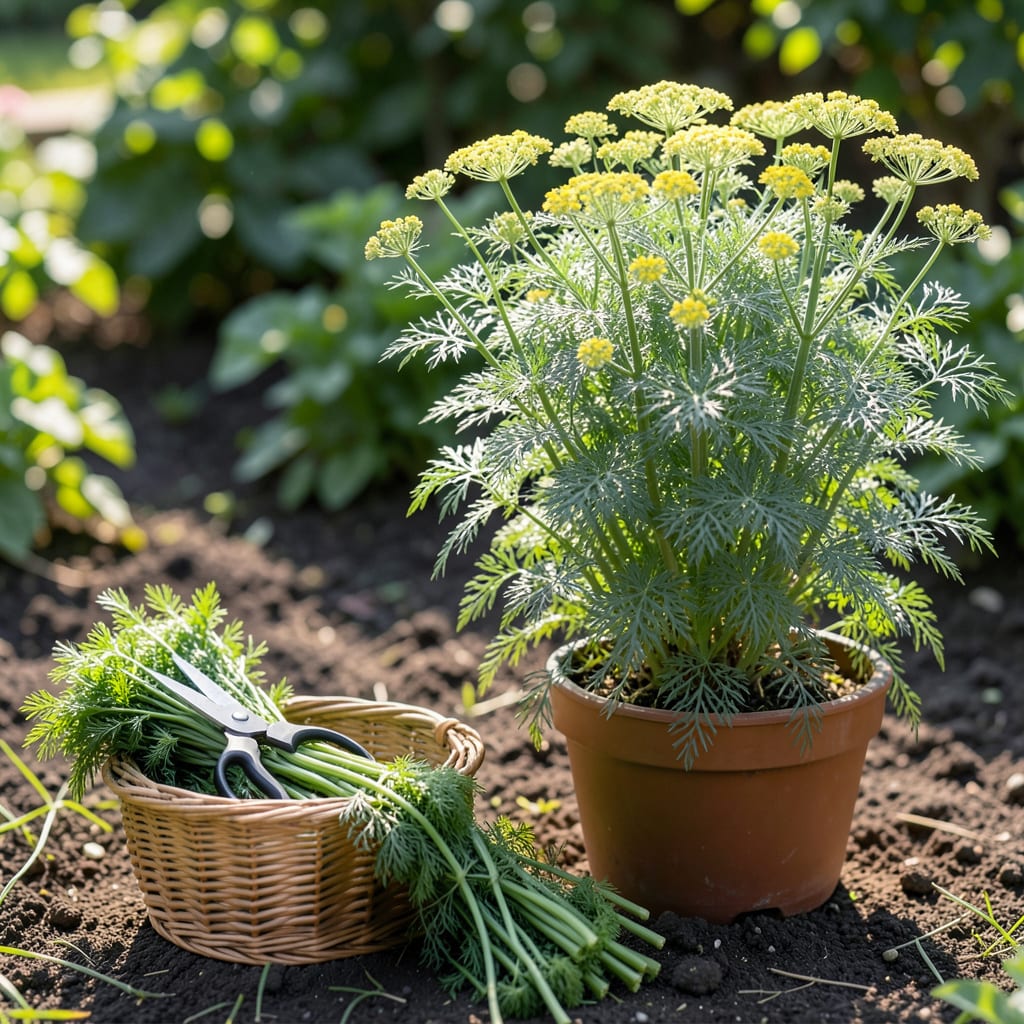
Nothing beats the fresh flavor of homegrown 🌿 Dill in your favorite recipes. But picking it at the wrong time can ruin both taste and future growth.
I’ll show you the best way to harvest this herb without harming the plant, so you can enjoy its zesty aroma all season long.


Timing is everything when harvesting dill weed. Picking too early means weak flavor, while waiting too long leads to tough stems. I always watch for 12-18 inch tall plants with fully developed leaves and a strong aroma.
The best time of day is early morning, after dew has dried but before the heat sets in. This preserves the essential oils that give dill its signature tang. Avoid harvesting in full sun or when the plant is wet.
| Sign of Readiness | Description |
|---|---|
| Plant Height | 12-18 inches tall |
| Leaf Condition | Fully developed and fragrant |
| Stem Texture | Firm but tender |
| Flowering | Before flowers appear |
I check my dill plants every 3-4 days during peak growth. The ideal window is 40-60 days after sowing, but this varies by climate. Cooler regions may need 70-80 days for full maturity.
Seasonal timing matters too. In USDA zone 6, I start harvesting in late spring. Warmer zones see earlier harvests. Always pick before flower buds form, as this signals the plant is shifting energy away from leaves.
For continuous harvests, I stagger planting every 2-3 weeks. This ensures a steady supply. The first planting gives me early summer dill, while later plantings extend into fall.
Avoid harvesting if the plant looks stressed from drought or pests. I water my dill 1 inch per week during dry spells. Healthy plants recover faster after pruning and produce more foliage.
Remember that young dill has a milder flavor, while mature leaves pack more punch. I taste-test a leaf before harvesting the whole plant. If it’s not aromatic enough, I wait 3-5 more days.
Finally, never harvest more than 1/3 of the plant at once. This keeps it productive. I use sharp scissors or pruners to make clean cuts, which helps the plant heal faster and reduces disease risk.
With these timing tips, your dill weed will be flavorful and abundant all season 🌿
Harvesting dill weed properly keeps your plant healthy and productive. I use clean, sharp scissors or pruning shears to avoid tearing the stems. Always cut just above a leaf node to encourage new growth from that point.
Start by identifying the outermost stems with mature leaves. These are ready for harvest first. I avoid cutting the central stem early, as this can stunt the plant’s growth. Instead, focus on the side branches for a steady supply.
I make cuts at a 45-degree angle to prevent water pooling on the stem, which can lead to rot. For larger harvests, I work my way around the plant, never removing more than one-third of the foliage at a time. This ensures continuous production.
If you’re harvesting dill seeds, wait until the flower heads turn brown. Cut the entire head and place it in a paper bag to catch falling seeds. For leaf harvests, always pick before flowering begins to maintain the best flavor.
After harvesting, I rinse the dill sprigs gently under cool water and pat them dry. Avoid soaking, as this can dilute the essential oils. For immediate use, I store them in a glass of water, like fresh flowers, to maintain crispness.
To encourage bushier growth, I pinch back the tips of young plants. This signals the dill to branch out, providing more harvestable stems. Regular harvesting also prevents the plant from becoming leggy or top-heavy.
With these methods, your dill plants will thrive and provide fresh herbs all season 🌿
Storing dill weed properly preserves its fresh flavor and aroma. I prefer short-term storage in water for immediate use, keeping sprigs in a glass like fresh flowers. This method maintains crispness for up to a week in the fridge.
For longer storage, drying is my go-to. I bundle stems and hang them upside down in a dark, dry place. This preserves the essential oils and intensifies the flavor. It takes about 1-2 weeks for complete drying.
Freezing is another great option for long-term storage. I chop the dill and place it in ice cube trays with a little water. Once frozen, I transfer the cubes to a bag. This method keeps the herb fresh for 3-4 months.
Always avoid storing dill in airtight containers while fresh, as this traps moisture and causes mold growth. Instead, use perforated bags or wrap sprigs in a damp paper towel in the fridge.
For the best results, I harvest in the early morning and store immediately. This locks in the peak flavor and aroma. With these methods, you can enjoy your dill harvest long after the growing season 🌿
Harvest in the early morning after dew dries but before heat sets in. This preserves the essential oils for maximum flavor. Avoid midday sun or wet conditions
No, pick leaves before flowering begins. Once flowers appear, the plant redirects energy from leaves, making them bitter. Focus on 12-18 inch tall plants with fragrant leaves instead
Never remove more than 1/3 of the plant at a time. This keeps it productive and healthy. Use sharp scissors to cut 4-6 inches from the top of stems
Bundle stems and hang upside down in a dark, dry place for 1-2 weeks. This method preserves flavor and aroma better than microwaving or oven drying
