
Beautiful Plants For Your Interior
Beautiful Plants For Your Interior
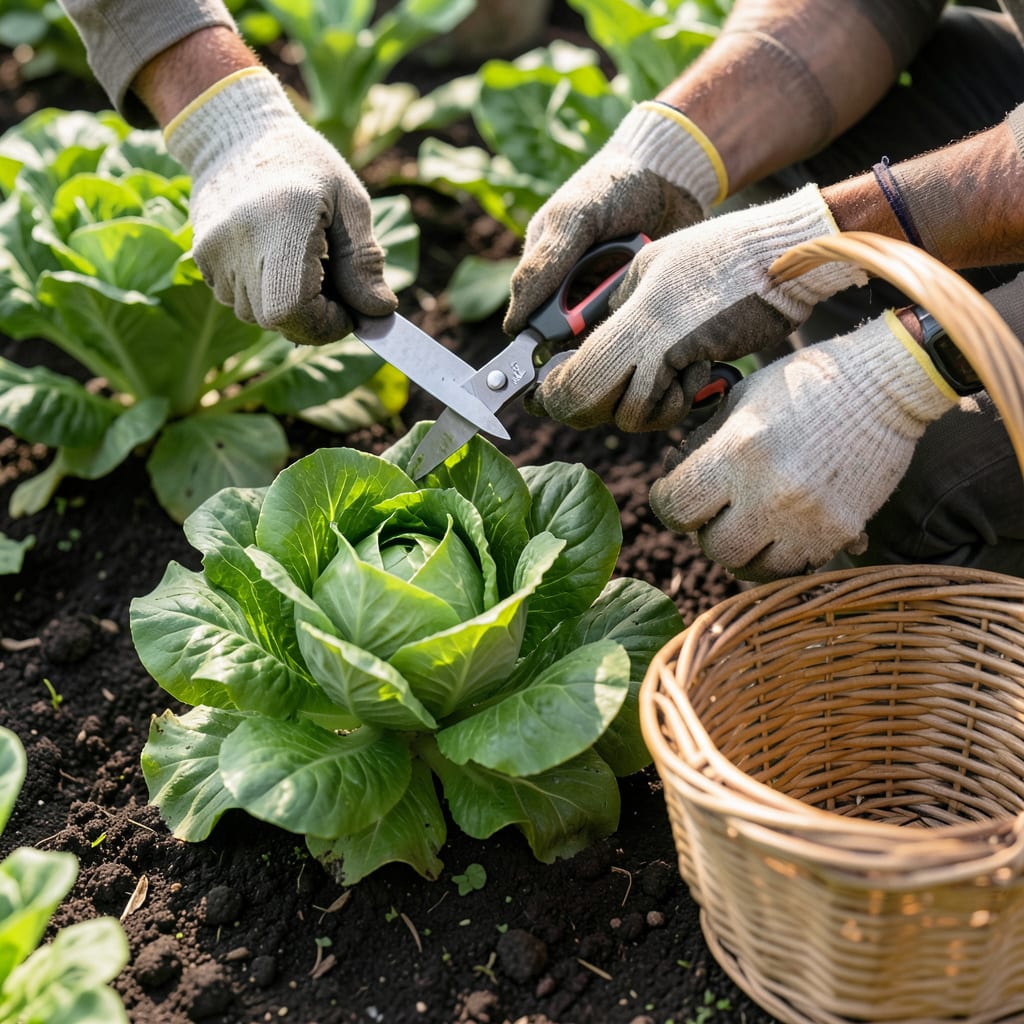
Imagine plucking fresh 🥬 Bibb Lettuce leaves from your garden whenever you need them. The cut-and-come-again method makes this possible, turning a single planting into a season-long harvest.
I’ll show you how to do it right, from spotting the perfect harvest signs to using the proper techniques. With these steps, you can enjoy continuous yields from your Bibb Lettuce plants.


Harvesting Bibb lettuce properly ensures a longer growing season and multiple harvests from each plant. The key is using the cut-and-come-again method, which allows the plant to regrow after each harvest.
I always start by checking for mature outer leaves that are 4-6 inches long and dark green. These are the first to harvest, leaving the inner leaves to continue growing.
The best time of day to harvest is in the early morning, when the leaves are at their most crisp and full of moisture. This timing helps the plant recover faster and reduces wilting.
Always use sharp, clean tools to make precise cuts. Dull tools can damage the plant and increase the risk of disease. I prefer small gardening scissors for this task.
When cutting, focus on the outer leaves and leave the inner growth untouched. This ensures the plant can regrow for future harvests. Never remove more than one-third of the plant at once.
After harvesting, give your plants a good drink of water. This helps them recover quickly and supports new leaf growth. I also add a light fertilizer every few weeks to keep them thriving.
With proper care, your Bibb lettuce can produce for 6-8 weeks. Once the plant starts to bolt or turn bitter, it’s time to pull it up and replant.
This method works best in cool weather. If temperatures rise above 75°F, consider providing afternoon shade to prevent stress and bolting.
☀️To keep your Bibb lettuce producing all season, I focus on consistent care between harvests. The key is maintaining optimal growing conditions so plants can regrow quickly after each cut.
I’ve found that regular watering is crucial—aim for 1 inch per week, keeping the soil moist but not soggy. Morning watering helps prevent fungal issues while ensuring leaves stay crisp.
After each harvest, I check for pest activity under the leaves. Aphids and slugs can quickly damage regrowth, so I remove them by hand or with neem oil spray if needed.
Fertilizing lightly every few weeks keeps plants vigorous. I use a balanced fertilizer and apply it in the early morning to avoid burning the leaves.
If your plants start to bolt or turn bitter, it’s time to pull them. Bibb lettuce thrives in cool weather, so in hot climates, I switch to shade cloth or plant in partial shade.
With these practices, I’ve extended my Bibb lettuce harvests to 6-8 weeks. The plants stay healthy, and I get tender leaves for salads all season long. 🌱
Even experienced gardeners can make simple mistakes when harvesting Bibb lettuce that shorten the growing season. The most common error I see is over-harvesting, which stresses the plant and stunts regrowth.
Another frequent issue is using dull or dirty tools. This can tear the leaves and introduce diseases. I always keep my gardening scissors sharp and clean for precise cuts.
Harvesting at the wrong time of day can also reduce leaf quality. I always harvest in the early morning when leaves are crisp and full of moisture.
Neglecting post-harvest care is another mistake. After cutting, I immediately water the plants and check for pest activity to ensure healthy regrowth.
Finally, don’t ignore signs of bolting or bitterness. Once the plant starts to bolt, the leaves turn bitter, and it’s time to pull it up and replant. This usually happens when temperatures exceed 75°F.
Harvest in the early morning when leaves are most crisp and hydrated. This timing helps the plant recover faster and reduces wilting.
Never remove more than one-third of the plant at a time. Focus on the outer leaves and leave the inner growth intact to encourage regrowth.
Use sharp, clean scissors or gardening shears to make precise cuts. Dull tools can tear leaves and increase the risk of disease.
Stop harvesting when the plant starts to bolt or the leaves turn bitter. This usually happens when temperatures exceed 75°F.
