
Beautiful Plants For Your Interior
Beautiful Plants For Your Interior
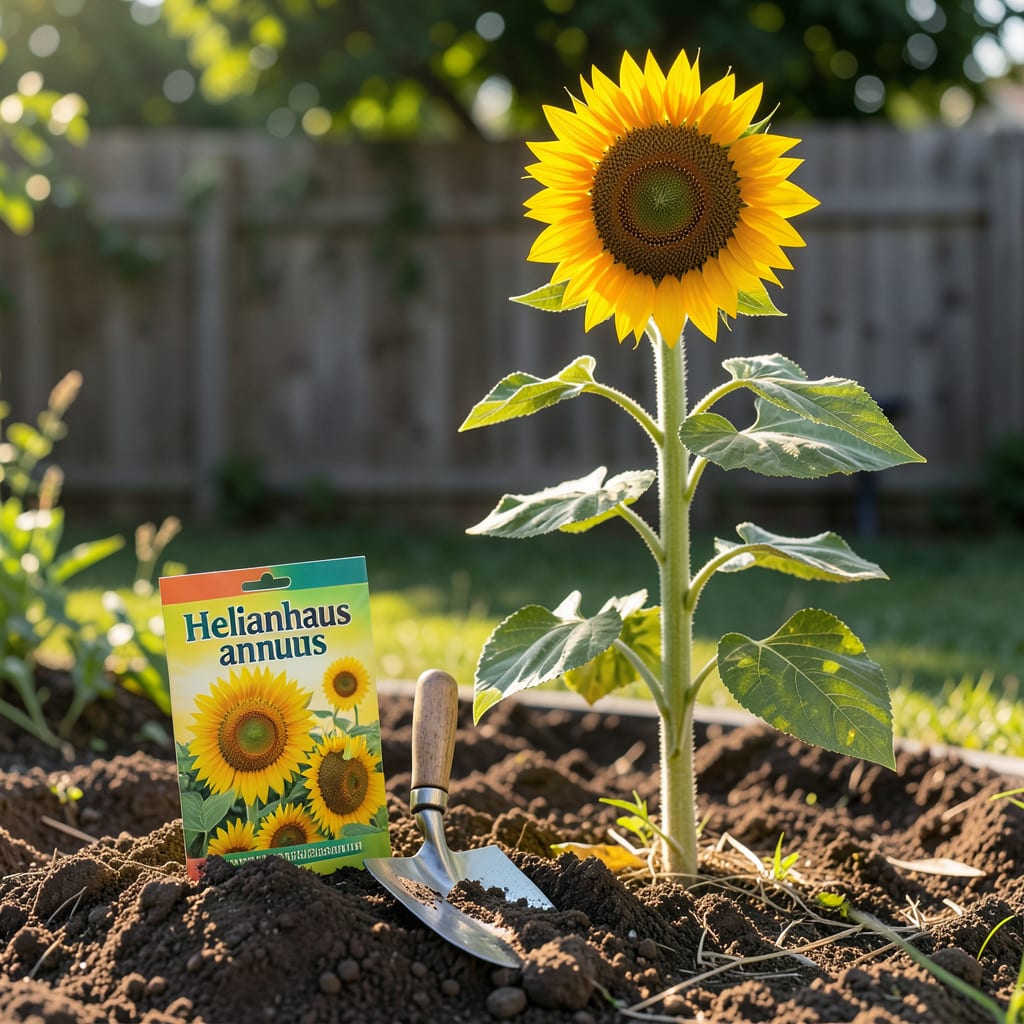
Imagine standing next to a sunflower that towers over you—12 feet tall with a face as wide as a dinner plate. That dream isn’t just for professional growers. With a few key techniques, you can turn your backyard into a forest of sky-high 🌻 Sunflowers that leave neighbors in awe.
I’ve tested the staking tricks, spacing secrets, and soil hacks that make the difference between a floppy stem and a sturdy giant. Whether you’re a first-timer or looking to break your height record, this guide will show you exactly how to grow sunflowers that reach for the clouds—without the guesswork.

If you’ve ever watched a 12-foot sunflower topple over in a summer storm, you know staking isn’t optional—it’s essential. I’ve learned the hard way that even the sturdiest stems need reinforcement as they reach for the sky. The secret? Start early and use the right materials.
I recommend staking giant sunflowers when they’re just 1-2 feet tall. This gives roots time to establish while preventing wind damage later. Bamboo stakes work beautifully, but I’ll show you alternatives too. Let’s break down the process step by step.
💡 Pro Tip: For Russian Giant varieties, use two stakes per plant crossed in an “X” formation for maximum stability.
I’ve found that fabric plant ties work better than plastic because they expand with growth. Avoid tying too tightly—sunflower stems thicken dramatically as they mature. Check your ties every 7-10 days during rapid growth phases.
For trellis systems, I recommend using cattle panels bent into arches. This works beautifully for rows of sunflowers and creates a stunning garden feature. Space panels every 4-5 feet and secure them with ground stakes at each end.
Remember that wind exposure dramatically affects staking needs. In my coastal garden, I use heavier-duty stakes than my inland friends. If you’re in a windy area, consider burying stakes 12-18 inches deep for extra anchorage.
The best time to stake is on a calm, overcast day. This gives plants time to adjust without immediate stress from sun or wind. I always stake in the early morning when stems are most turgid and less likely to break.
For container-grown sunflowers, use tomato cages inside pots. Choose cages at least 18 inches tall for dwarf varieties and 36 inches tall for semi-dwarf types. Container plants need more frequent watering—check soil moisture daily.
If you notice leaning stems despite staking, don’t panic. Gently straighten the plant and add additional support. I’ve saved many a toppling giant with a well-placed second stake and some careful tying.
Finally, remove stakes only after harvesting seeds or when plants naturally die back. I leave mine in place until the stems turn completely brown—this prevents late-season wind damage that could scatter your precious seeds.
Want sunflowers that reach 10-12 feet tall? The foundation starts underground. I’ve found that proper spacing and soil preparation make the difference between a scraggly plant and a towering giant. Let’s dig into the details.
Most gardeners underestimate how much room giant sunflowers need. I plant mine 18-24 inches apart to allow for robust root systems. This spacing prevents competition for nutrients while giving each plant room to develop thick, sturdy stems that can support massive heads.
| Requirement | Specification |
|---|---|
| Spacing | 18-24 inches apart |
| Soil Type | Well-draining, slightly acidic to neutral |
| Soil Depth | 12-18 inches prepared |
| Compost | 2-3 inches mixed into top 6 inches |
| pH Level | 6.0-7.5 |
| Fertilizer | Low-nitrogen, high-phosphorus (5-10-10) |
💡 Pro Tip: For Russian Giant varieties, increase spacing to 24-30 inches for maximum height potential.
I always amend my soil with 2-3 inches of compost before planting. This provides the organic matter sunflowers crave while improving drainage. For clay-heavy soils, I add coarse sand to prevent waterlogging that can stunt growth.
The ideal soil pH for sunflowers is 6.0-7.5. I test my soil annually and adjust with lime (to raise pH) or sulfur (to lower pH) as needed. A simple home test kit makes this easy—just follow package instructions.
For container-grown sunflowers, choose pots at least 12 inches deep and 18 inches wide. Use a high-quality potting mix blended with 20% compost. Container plants need more frequent feeding—I use a balanced liquid fertilizer every 2-3 weeks during growth.
I’ve found that mulching makes a huge difference in moisture retention and weed suppression. Apply 2-3 inches of straw around plants, keeping it 3 inches away from stems to prevent rot. This simple step reduces watering needs by 30% in my garden.
Remember that sunflower roots can extend 3-4 feet deep. Avoid compacting soil around plants, and never dig near established sunflowers. Their extensive root systems are key to supporting those towering stems and massive flower heads.
Even with perfect soil and staking, your tall sunflowers might still fall short of their 12-foot potential. I’ve seen many gardeners puzzled when their ‘Russian Giant’ or ‘Skyscraper’ varieties only reach 6-8 feet. The culprits? Often overlooked details like light, water, and pests.
First, sunlight competition is a silent growth killer. Sunflowers need 6-8 hours of direct sun daily—less than that, and they’ll stretch weakly toward any light source. If your garden has shade from trees or buildings, consider relocating or pruning nearby branches to maximize exposure.
Next, watering mistakes can make or break your sunflowers. While they’re drought-tolerant once established, inconsistent moisture during the first 30 days leads to shallow roots. I use a soaker hose on a timer to deliver deep watering at the base—no overhead sprinklers that encourage disease.
Finally, pests and diseases are sneaky height thieves. Aphids and powdery mildew weaken stems, while squirrels love to munch on young shoots. My go-to fixes? A neem oil spray for pests and copper fungicide for mildew. For critters, chicken wire collars around seedlings work wonders.
Don’t let these hidden factors sabotage your sunflower dreams. A little extra attention to light, water, and protection can mean the difference between a 6-foot plant and a 12-foot showstopper. Trust me—your neighbors will ask for your secrets! 🌱
Begin staking when plants reach 1-2 feet tall. This early support prevents root disturbance later while allowing stems to thicken naturally. Use bamboo stakes or soft ties to avoid restricting growth.
Space seeds 18-24 inches apart for optimal growth. Closer spacing causes competition for nutrients, while wider gaps allow better air circulation. Thin seedlings to the strongest plant per spot.
Common culprits include insufficient sunlight (need 6-8 hours daily), inconsistent watering, or overcrowding. Check for pests like aphids too. Adjust care to unlock their full 12-foot potential.
Dwarf varieties work in 5-gallon containers, but giant types need ground planting. Use tomato cages for container support and water more frequently. Expect shorter heights in pots.
Use a low-nitrogen, high-phosphorus fertilizer (5-10-10 NPK). Feed every 4-6 weeks during growing season. Avoid over-fertilizing, which can weaken stems.
