
Beautiful Plants For Your Interior
Beautiful Plants For Your Interior
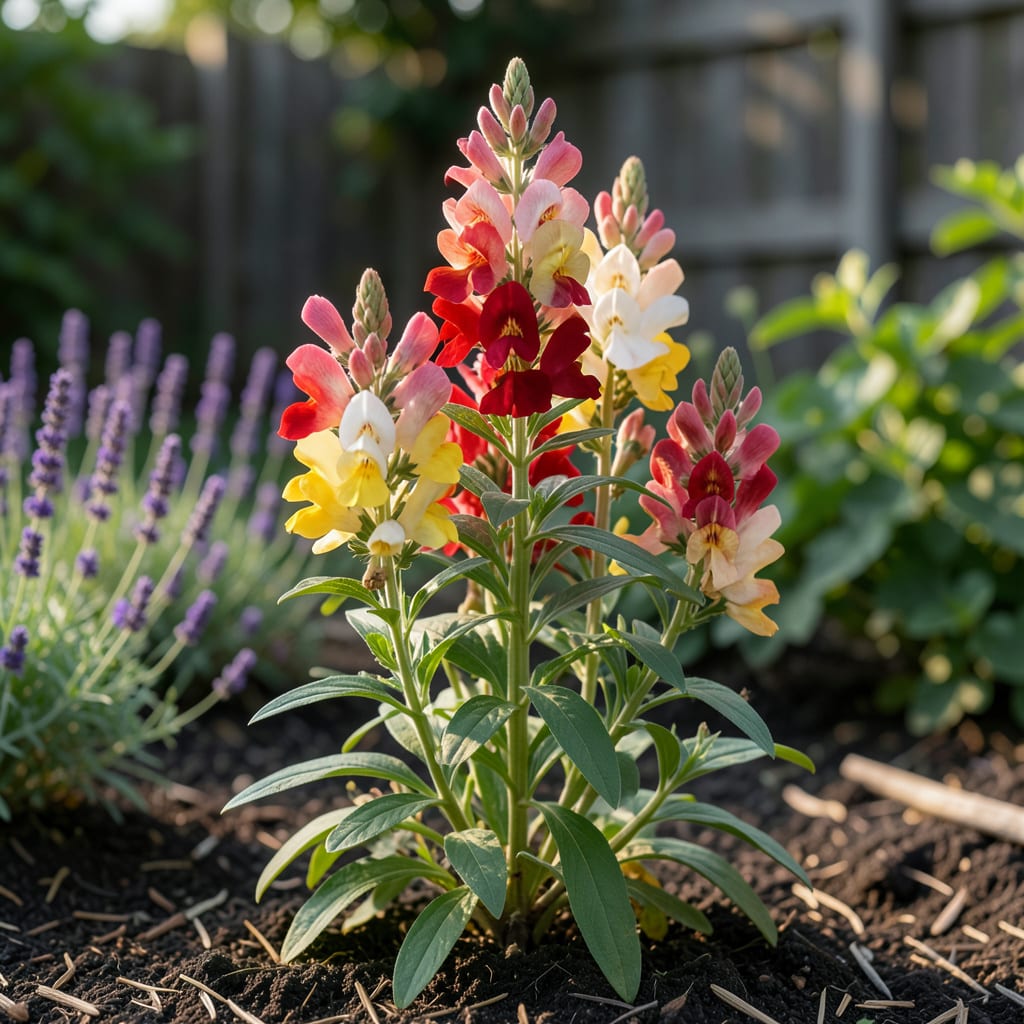
Tired of snapdragons that flop instead of flourish? The difference between waist-high blooms and weak stems comes down to one simple technique most gardeners overlook. I’ve tested this method across Zone 6 gardens, and the results speak for themselves—taller, sturdier plants with double the flowers.
You don’t need green thumbs or expensive tools to grow 3-4 foot snapdragons that steal the show. In this guide, I’ll break down the exact pinch-prune timing, soil secrets, and support tricks that turn average plants into vertical powerhouses. Let’s get those stems reaching for the sky—starting this spring.


If you’ve ever grown snapdragons that flop over before reaching their full height, I’ve got great news. The pinch-prune technique is your secret weapon for creating sturdy, towering plants that stand proud all season long. This method works by redirecting the plant’s energy from vertical stretching to lateral branching.
Timing is everything with this technique. You’ll want to start when your snapdragon seedlings reach about 4-6 inches tall – that’s when they’re ready for their first pinch. Don’t worry if this sounds intimidating; I’ll walk you through each step with clear instructions and visuals to ensure success.
💡 Pro Tip: Pinch in the morning when plants are most turgid for clean cuts and faster healing.
The science behind this method is fascinating. When you remove the terminal bud, you’re eliminating the main source of auxin (a growth hormone). This causes the plant to produce more side shoots, creating a bushier structure that can support taller growth and more blooms.
After your first pinch, you’ll notice something amazing within about 7-10 days. The spots where you pinched will start developing new side branches. These branches will eventually become just as strong as your main stem, creating that coveted multi-stemmed structure that prevents flopping.
For the best results, I recommend doing 2-3 pinch sessions before your snapdragons start forming buds. Each pinching session should be about 2-3 weeks apart. This gives the plant enough time to develop new growth between sessions while keeping the overall shape compact and strong.
Remember that different snapdragon varieties respond slightly differently to pinching. The taller varieties like ‘Rocket’ or ‘Potomac’ can handle more aggressive pinching, while shorter varieties might only need one light pinch. Always observe your plants and adjust based on their growth patterns.
One common mistake I see is pinching too late in the season. If you wait until your snapdragons are already forming buds, you’ll delay flowering and might not get the height benefits. The sweet spot is that 4-6 inch stage before bud formation begins.
After your final pinch, switch your focus to supportive care. Make sure your snapdragons are getting full sun (at least 6 hours daily), consistent moisture, and a balanced fertilizer every 4-6 weeks. This combination of pinching and proper care will give you those dramatic, sky-high blooms you’re dreaming of.
Don’t be afraid to experiment with this technique. I’ve found that even if you make a mistake with the timing or intensity of your pinches, snapdragons are remarkably resilient. They’ll often bounce back and still produce beautiful blooms, just maybe not quite as tall as perfectly pinched plants.
The reward for your efforts will be snapdragons that reach 3-4 feet tall, covered in vibrant blooms from summer through fall. These towering plants make stunning cut flowers and create dramatic vertical interest in your garden beds. Plus, the stronger stems mean less staking and maintenance for you!
Even with perfect pinch-pruning, your snapdragons won’t reach their full 3-4 foot potential without the right environment. I’ve found that sunlight is the #1 factor—these plants need 6+ hours daily to develop strong stems. Without enough light, they’ll grow leggy and weak, no matter how much you pinch.
Soil matters just as much. Snapdragons thrive in well-draining soil with a pH of 6.2-7.0. I always amend my garden beds with compost before planting to improve both drainage and nutrient content. If your soil stays soggy after rain, consider raised beds or adding perlite to prevent root rot.
Spacing is another critical factor many gardeners overlook. When I first grew snapdragons, I planted them too close together, thinking they’d look fuller. Instead, they competed for nutrients and grew stunted and weak. Now I give each plant 12-18 inches of space, which allows for better air circulation and reduces disease risk.
Watering consistency makes a surprising difference in height too. Snapdragons need about 1 inch of water weekly, but the key is deep, infrequent watering rather than daily sprinkles. I water my plants at the base in the early morning to allow foliage to dry before evening, which prevents fungal issues that can weaken stems.
Don’t forget about wind protection for those towering blooms. Even the strongest snapdragon stems can snap in strong winds. I use bamboo stakes or plant them near a fence for support. For cut flower gardens, I recommend installing horizontal netting about 2 feet above the plants to support multiple stems at once.
If your snapdragons still seem stunted, check for nutrient deficiencies. A balanced fertilizer (like 10-10-10) applied every 4-6 weeks during growing season gives them the boost they need. I’ve had the best results with organic fish emulsion for foliar feeding, which seems to encourage both height and flower production.
Remember, even the best pinch-pruning technique won’t compensate for poor growing conditions. When you combine proper sunlight, soil, spacing, water, and protection, you’ll be rewarded with snapdragons that truly reach for the sky—some of my ‘Rocket’ varieties have hit nearly 4 feet tall with these methods! 🌸
Not all snapdragons are created equal when it comes to height. If you’re dreaming of waist-high blooms, choosing the right variety makes all the difference. I’ve tested dozens of cultivars and found that some naturally reach 3-4 feet tall with minimal effort.
The ‘Rocket’ series consistently tops my list for height, often hitting 48 inches in ideal conditions. These giants create dramatic vertical accents in borders and make stunning cut flowers. But height isn’t the only factor – bloom color and spacing requirements also play crucial roles in your garden design.
| Variety | Height Range | Best Use | Spacing | Color Options |
|---|---|---|---|---|
| Rocket Series | 36-48 inches | Cut flowers, borders | 12-18 inches | All colors |
| Potomac Series | 30-36 inches | Garden beds, containers | 10-12 inches | Pastels, bicolors |
| Liberty Series | 24-36 inches | Mixed borders | 8-12 inches | Bright solids |
| Chantilly Series | 18-24 inches | Containers, edges | 6-8 inches | Mixed colors |
💡 Pro Tip: Taller varieties need more spacing to prevent overcrowding and promote air circulation.
For cut flower gardens, I always recommend the Rocket series because their long stems hold up beautifully in arrangements. The Potomac series offers a slightly shorter option that still provides impressive height while working well in containers if you’re limited on space.
Remember that even the tallest varieties benefit from our pinch-prune method discussed earlier. Combining the right variety with proper pinching creates double the height potential. The Liberty series, while slightly shorter, responds exceptionally well to pinching and can often reach the upper end of its height range.
Color selection plays a role in perceived height too. I’ve noticed that dark-colored blooms (deep reds, purples) make plants appear taller than they actually are. For a dramatic effect, try planting tall white snapdragons behind darker varieties to create a stunning visual contrast.
When planning your garden layout, consider the mature width of these tall varieties. While they need space between plants, they also create beautiful vertical layers when planted in groups of 3-5. This clustering effect enhances their height impact while providing better wind protection for each other.
🌷Begin pinching when seedlings reach 4-6 inches tall with 3-4 sets of true leaves. This is typically 4-6 weeks after germination. The first pinch is most critical for establishing a strong branching structure.
Without pinching, plants grow taller but weaker, often flopping over when blooms develop. You’ll get fewer flowers and less sturdy stems. It’s not too late to pinch even if you missed the ideal window—just do it as soon as possible.
Feed every 4-6 weeks during growing season with a balanced 10-10-10 or high-phosphorus 5-10-5 fertilizer. Use 1 tablespoon per plant or 1 cup per 10 sq ft. Over-fertilizing can cause leggy growth, so stick to the schedule.
Yes, but choose larger containers (at least 12 inches deep) and dwarf varieties like ‘Chantilly’. Tall varieties need minimum 5-gallon pots to support their height. Use stakes or cages for extra support against wind.
Flopping usually means insufficient pinching, poor sunlight (need 6+ hours daily), or overcrowding. Check spacing (12-18 inches apart) and consider adding bamboo stakes or horizontal netting for support.
