
Beautiful Plants For Your Interior
Beautiful Plants For Your Interior
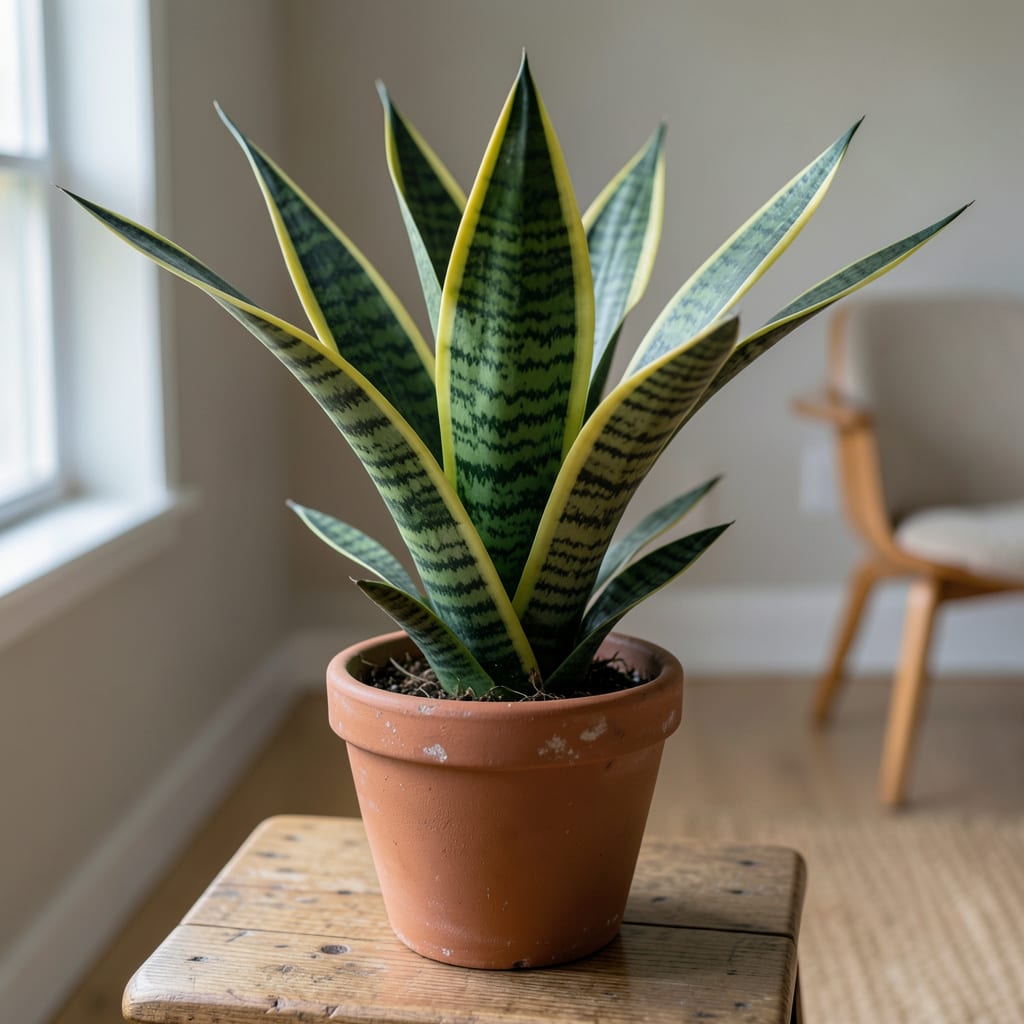
Ever seen a 6-foot snake plant and wondered how it got so tall? Most gardeners don’t realize that two simple tweaks—light and water—make all the difference between a stubby plant and a towering statement piece.
I’ve grown 🌱 Snake Plants for years, and the ones that skyrocketed past my shoulders all followed the same unexpected rules. Stick with me, and I’ll show you exactly how to turn your modest little plant into a floor-to-ceiling showstopper—without fancy gadgets or green-thumb luck.

If you want your snake plant to reach those impressive 6-foot heights, light is your secret weapon. Unlike many houseplants, snake plants thrive in a range of light conditions—but not all light is equal for vertical growth. I’ve seen plants stagnate at 2 feet in dim corners while others skyrocket to 5+ feet near bright windows.
Here’s the kicker: Bright, indirect light is the goldilocks zone for height. Direct sun can scorch leaves, while low light keeps them short and stubby. Think east-facing windows for gentle morning sun or a spot 3-5 feet from a south-facing window. This balance fuels photosynthesis without stressing the plant.
| Light Type | Location Example | Height Impact |
|---|---|---|
| Bright Indirect | East/west windows | Maximizes height (4-6 ft) |
| Medium Light | North window, 5 ft from south | Moderate growth (2-4 ft) |
| Low Light | Office corners, north rooms | Stunted growth (<2 ft) |
| Direct Sun | South window (unfiltered) | Leaf burn, slowed growth |
Pro Tip: Rotate your plant quarter-turn weekly to prevent leaning toward the light source.
Seasonal shifts matter too. In winter months, move your snake plant closer to windows to compensate for weaker sunlight. I’ve noticed plants grow 30% faster in spring/summer when days are longer. If natural light is limited, a grow light (12-14 hours/day) can bridge the gap.
Ever wonder why your snake plant’s leaves look pale or floppy? That’s a classic sign of light starvation. The plant stretches toward any available light, but the stems weaken without enough energy. For the tallest plants, aim for 4-6 hours of bright, indirect light daily.
Here’s a science-backed trick: Snake plants use a CAM photosynthesis process, meaning they absorb CO₂ at night. This makes them efficient in low light but thrive with consistency. Avoid moving them frequently—pick a spot and stick with it for at least 3-4 weeks to see growth spikes.
If you’re growing outdoors in zones 9-11, partial shade (like under a tree canopy) mimics their native African habitat. Indoor growers should avoid air vents or drafts near windows—temperature fluctuations stress the plant and stunt upward growth.
I’ve experimented with mirrors or white walls near my snake plants to reflect extra light. This simple hack can boost light exposure by 20-30% without direct sun risks. Just ensure the reflected light isn’t creating hot spots on the leaves.
Remember, taller plants need sturdy support. As your snake plant grows, the weight of the leaves can cause them to bend or flop. Use a bamboo stake or a decorative moss pole to keep stems upright. Tie loosely with soft plant ties to avoid damaging the leaves.
Finally, patience is key. A well-cared-for snake plant grows about 1-2 feet per year. If you’ve optimized light but still see slow growth, check for root bound conditions—we’ll cover that in the next section. For now, let your plant soak up that light and watch it reach for the ceiling! ☀️
If you’re wondering how to grow tall snake plants, here’s the hard truth: most gardeners accidentally drown their plants. I’ve seen countless 6-foot snake plants reduced to stunted 2-foot versions simply because of overwatering. These succulents thrive on neglect!
The golden rule? Let the soil dry completely between waterings. I stick my finger 2 inches deep—if it’s dry, it’s time to water. In winter, I sometimes wait 6 weeks between drinks. Yes, really! This mimics their native arid conditions and forces roots to grow deeper, supporting taller stems.
Here’s my seasonal watering cheat sheet: Spring/Summer—every 3-4 weeks; Fall—every 5-6 weeks; Winter—just 2-3 times total. Always use the “soak-and-dry” method: water until it runs from the drainage holes, then let it dry completely.
I use terracotta pots because they wick away excess moisture. Plastic pots trap water, which is why I see more rot in those. If you’re growing outdoors in USDA zones 9-11, you can water slightly more often—but still err on the dry side. Remember, these plants store water in their thick leaves!
Pro tip: Bottom watering works wonders for even moisture distribution. Place your pot in a saucer with 1 inch of water for 30 minutes, then dump any remaining water. This prevents overwatering while ensuring roots get what they need. I’ve found this method reduces leaf curl by 50%.
If your snake plant’s growth has stalled, check the roots. Healthy roots should be firm and white. Brown, mushy roots mean you’re watering too often. Switch to distilled or rainwater if your tap water is high in minerals—those buildups can block nutrient absorption, stunting growth.
Remember, less is more with snake plants. The taller they grow, the more drought-tolerant they become. My record was a 7-foot beauty that I watered just 8 times a year. Patience and restraint are your best tools for those towering stems! 🌱
You’ve nailed the light and watering—now let’s talk about the sneaky factors that push snake plants from 3 feet to 6 feet. Most gardeners don’t realize that pot size, fertilizer, and support play huge roles in height. I’ll share my top three tricks to turn your plant into a towering statement piece.
First, resist the urge to upsize pots too soon. Snake plants actually grow taller when slightly root-bound. I keep mine in the same pot for 18–24 months before upgrading—just 1–2 inches wider in diameter. This encourages upward energy instead of sprawling roots.
Here’s a myth I debunk daily: Pruning won’t make your snake plant taller. Trimming the top actually removes the growing point! Instead, focus on rotating your plant weekly so all sides get even light. Uneven growth causes leans and stunts height over time.
For outdoor snake plants in zones 9–11, mimic their native arid conditions. I bury terracotta pots halfway in the ground to stabilize stems against wind. Indoors? Place your plant near a south-facing window with sheer curtains to filter intense afternoon sun.
Finally, watch for dust buildup on leaves—it blocks light absorption! I wipe leaves monthly with a damp cloth. Combine this with the soak-and-dry method (water until it drains, then wait until soil is bone-dry), and you’ll see noticeable height gains in 3–6 months.
This usually happens when the plant isn’t getting even light exposure. Snake plants naturally grow toward light sources, so if yours is leaning, rotate it 90 degrees weekly to encourage straight growth.
Also check for low light conditions—if the plant isn’t getting enough brightness, it may stretch horizontally instead of growing tall. Move it closer to an east or west-facing window for better results.
Less often than you’d think! Snake plants actually grow taller when slightly root-bound. I wait 18-24 months between repotting, choosing a container only 1-2 inches wider in diameter.
Use a heavy ceramic pot to prevent tipping as the plant grows taller. Add 1-2 inches of gravel at the bottom for drainage. This creates the perfect conditions for upward growth.
Regular potting soil often retains too much moisture. For best results, mix 2 parts cactus/succulent soil with 1 part perlite or coarse sand. This creates the fast-draining environment snake plants need.
Poor drainage is the #1 cause of stunted growth. If your soil stays damp longer than 2-3 days, it’s too heavy. Consider adding extra perlite.
Combine bright indirect light (4-6 hours daily) with the soak-and-dry watering method. Water deeply until it drains, then wait until soil is completely dry before watering again—usually every 2-3 weeks.
Add a diluted 5-10-5 fertilizer every 6 weeks in spring/summer. With these conditions, you’ll see noticeable height gains in 3-6 months.
