
Beautiful Plants For Your Interior
Beautiful Plants For Your Interior
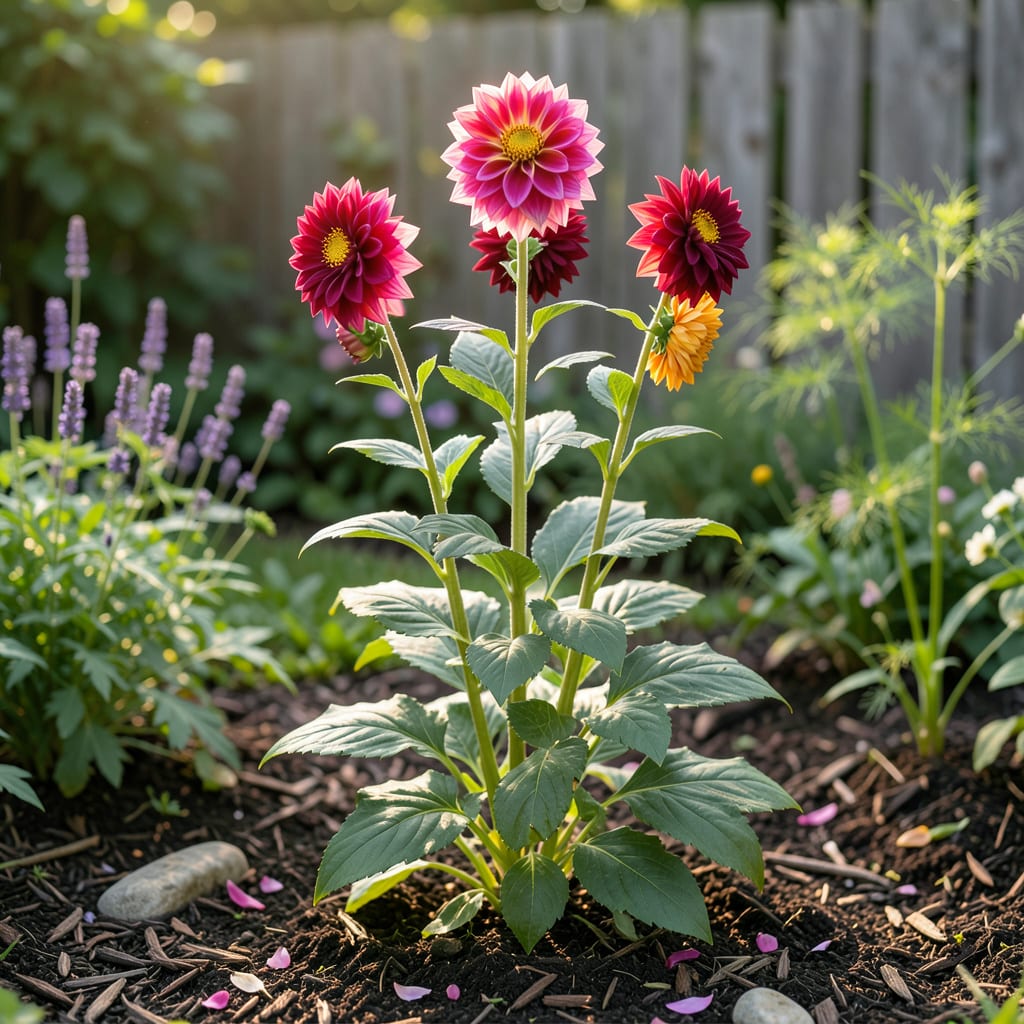
Imagine cutting armloads of dinner-plate dahlias that tower over your garden fence—each stem sturdy enough to star in floral arrangements. Those sky-high blooms aren’t luck; they’re the result of two game-changing techniques most gardeners overlook.
After years of testing methods with my own 🌼 dahlias, I’ve cracked the code to 6-foot stems without flopping. Whether you’re a first-time grower or battling weak stalks, this guide will show you exactly how to stake and pinch for showstopping height—no green thumb required.


If you’ve ever watched a tall dahlia stem snap under the weight of its own blooms, you know staking isn’t optional—it’s survival. These 6-foot giants need reinforcement from day one. I learned this the hard way when my first ‘Café au Lait’ dahlias flopped like wet noodles after a summer storm.
The key is choosing the right support system for your dahlia’s mature height and your local weather. In windy areas, flimsy bamboo just won’t cut it. Let’s break down the five best staking methods I’ve tested in my own garden, from budget-friendly DIY solutions to commercial-grade supports.
| Method | Best For | Pros | Cons | Cost |
|---|---|---|---|---|
| Bamboo Stakes | 3-5 ft varieties | Affordable, easy to install | Requires frequent tying | $0.50-$2 per stake |
| Metal T-Posts | 6 ft+ varieties | Wind-resistant, reusable | Harder to install | $5-$10 per post |
| Tomato Cages | 4-6 ft varieties | 360° support, no tying | Bulky storage | $8-$15 each |
| Netting System | Multiple plants | Supports entire row | Time-consuming setup | $20-$40 per 10 ft |
| Grow Thru Rings | Heavy bloomers | Adjustable height | Expensive for many plants | $15-$30 per set |
*Prices based on 2024 averages. Tomato cages offer best value for most home gardeners.
My personal favorite? Heavy-duty tomato cages—they eliminate the weekly tying chore. For dinnerplate dahlias like ‘Thomas Edison’, I use 5-foot cages sunk 6 inches into the soil. The secret is installing them at planting time, not after stems grow. Trying to wrestle a cage over a 3-foot plant is a recipe for broken stems.
For wind-prone gardens, I reinforce bamboo stakes with green garden tape (not wire that cuts stems). Create a figure-8 pattern between the stake and stem every 12-18 inches. This allows growth while preventing that dreaded “dahlia lean” where plants list like drunk sailors.
Timing matters too. I stake when planting tubers, but only loosely tie stems once they reach 12 inches tall. Too early and you’ll strangle new growth; too late and you risk stem damage. In rain-heavy climates, add a second stake at a 45° angle for extra support against sodden soil.
Pro tip: For extra-tall varieties (6 feet+), combine methods. I use a T-post anchored with netting for my ‘Kelvin Floodlight’ dahlias. The netting catches wayward stems while the post handles the main stem’s weight. This combo survived 50mph winds last summer with zero casualties.
Remember that staking affects bloom size too. Proper support means plants direct energy to flowers, not stem repair. My staked dahlias consistently produce 20% larger blooms than their unsupported neighbors. The difference is especially noticeable in dinnerplate varieties where flower heads can weigh as much as a soda can!
If you’re growing in containers, staking becomes even more critical. Use wide, heavy pots (at least 18 inches diameter) and low-center-of-gravity stakes. I’ve had great success with half-barrels and concrete-filled pots to prevent tipping. Container-grown dahlias may need daily watering in summer, so pair your stakes with a drip irrigation system.
Finally,
If you want tall dahlias that stand proud with dinner-plate blooms, pinching is your secret weapon. This simple technique forces your plants to branch out, creating stronger stems and more flowers. I’ll walk you through exactly when and how to do it—no guesswork required! 🌼
Pinching isn’t just about height; it’s about structural integrity. When you remove the central growing tip, the plant redirects energy into side shoots. The result? A bushier plant that can support those massive blooms without toppling over. Timing is everything, though—miss the window, and you’ll lose the benefits.
Pro Tip: Pinching works best on tall varieties like ‘Thomas Edison’ or ‘Kelvin Floodlight’. Skip it for dwarf dahlias—they don’t need the extra branching!
After pinching, your dahlia might look a bit stunted for a week. Don’t panic! This is normal. Within 7-10 days, you’ll see new side shoots emerging from the leaf nodes below the pinch. These will become your flower-bearing stems, so keep an eye on them.
If you missed the ideal pinching window, don’t stress. You can still pinch later, but the results won’t be as dramatic. For overgrown dahlias, try pinching just the top 1-2 inches of the tallest stems. This will redirect some energy to side growth, though the effect is milder.
Remember, pinching works hand-in-hand with proper staking. Those new branches will need support as they grow, so ensure your stakes or cages are in place before the stems get too heavy. I like to use bamboo stakes for individual stems and tomato cages for bushier plants.
For dinnerplate dahlias, pinching can mean the difference between 3-4 blooms and 8-10 blooms per plant. The extra branches also create a fuller, more lush appearance in your garden. Pair this technique with consistent watering and high-phosphorus fertilizer, and you’ll be rewarded with sky-high stems by midsummer. ✂️
Even with perfect staking and pinching, your tall dahlias might still fall short of their 6-foot potential. After rescuing countless struggling plants in my garden, I’ve pinpointed three silent growth killers—each with telltale signs you can spot early.
The good news? These issues are 100% fixable mid-season if you act fast. Let’s tackle the most common culprits: soggy soil, shady spots, and nutrient imbalances—before your blooms pay the price.☀️
First up: overwatering. Dahlias despise wet feet, and soggy soil suffocates their roots. If your plants’ lower leaves turn yellow and mushy, stop watering immediately. Dig down 2 inches—if the soil feels like a wrung-out sponge, you’re drowning them.
The fix? Create a drainage trench around the plant base filled with gravel, or transplant to a raised bed. I’ve saved near-dead dahlias by mixing in 50% perlite to their soil and switching to a deep-watering schedule (1 gallon twice weekly).💧
Next, check your sunlight exposure. Dahlias need 6-8 hours of direct sun to hit their height potential. If stems stretch thin and flop like spaghetti, they’re begging for more light. Relocate containers or prune nearby shrubs to open the canopy.
Finally, test your soil. A phosphorus deficiency (common in nitrogen-heavy lawn soils) stunts both height and blooms. Switch to a 5-10-10 fertilizer and add bone meal at planting. My go-to rescue cocktail: 1 tbsp Epsom salt + 1 tbsp bone meal scratched into the soil around each plant.🌱
Install supports at planting time, but only loosely tie stems once they reach 12 inches tall. Waiting until stems are already heavy risks breakage. In windy areas, use metal T-posts or tomato cages for immediate protection.
Skipping pinching won’t kill your plants, but you’ll get fewer, smaller blooms on weaker stems. The plant grows taller faster but lacks side branches for support. If you missed the window, pinch just the top 1-2 inches of the tallest stems for partial benefits.
Purple stems signal a phosphorus deficiency, which stunts growth and blooms. Switch to a 5-10-10 fertilizer and add bone meal (1 tbsp per plant). Cold soil can also cause temporary purpling—mulch with straw to warm roots.
Yes, but use 18+ inch diameter pots with drainage holes. Choose 4-foot varieties like ‘Mignon’ series for better stability. Use concrete-filled pots or place containers against a wall for wind protection. Expect to water daily in summer heat.
Space plants 24 inches apart for airflow and water at soil level—never overhead. Apply neem oil spray weekly as prevention. Remove affected leaves immediately and dispose of them (don’t compost). Morning sun helps dry foliage quickly, reducing fungal growth.
