
Beautiful Plants For Your Interior
Beautiful Plants For Your Interior
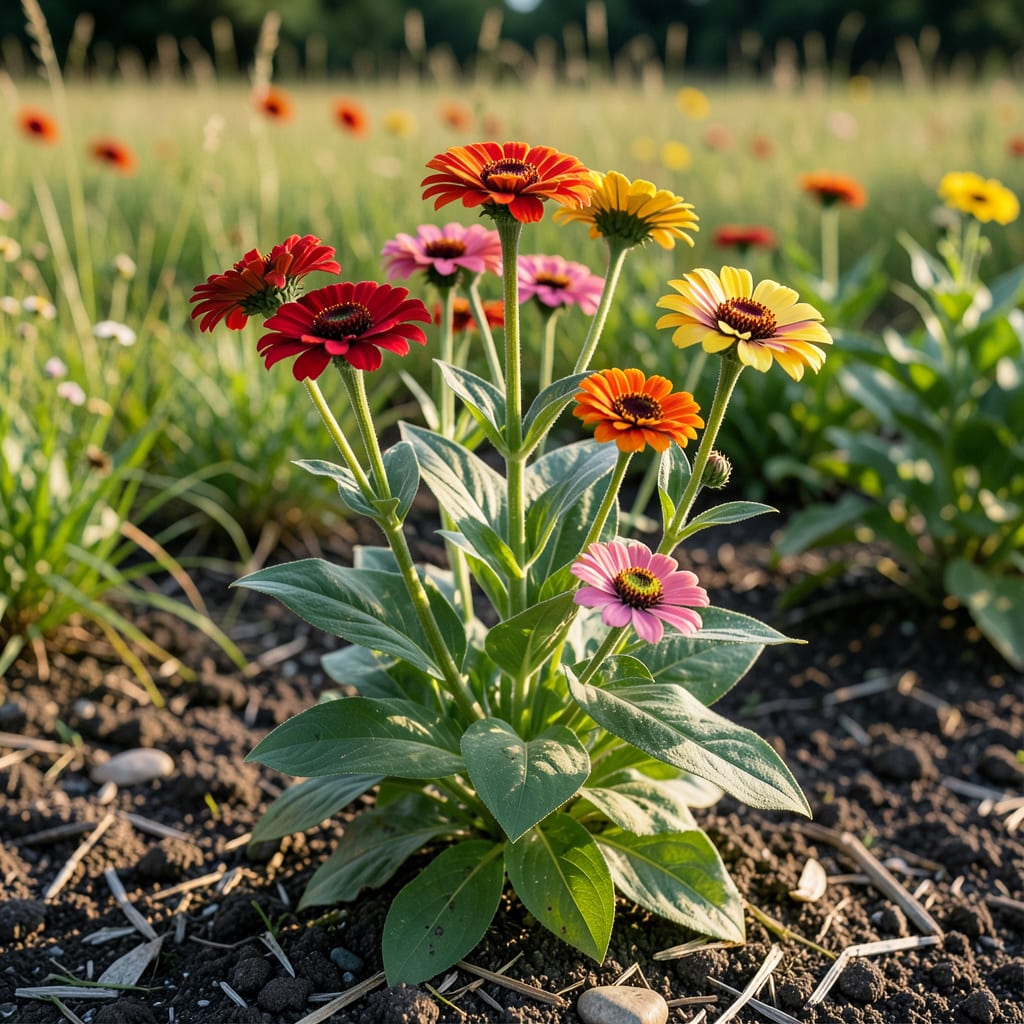
Want zinnias that reach for the sky instead of staying stubby and compact? The difference between 3-foot showstoppers and lackluster blooms often comes down to one overlooked technique—pinching—and a few key growing conditions most gardeners miss.
I’ve tested these methods in my own Zone 6 garden, and the results were staggering: taller stems, more blooms, and zinnias that stood proud instead of flopping. Let me show you exactly how to train your 🌼 zinnias for maximum height—starting with a simple snip at the right time.

If you’ve ever wondered why your zinnias stay stubby while others reach for the sky, the answer often lies in a simple technique called pinching back. This method isn’t about pruning for shape—it’s about tricking your zinnias into growing taller and stronger by redirecting their energy. 🌱
Pinching works by removing the top growth point of young zinnia plants, which forces the plant to produce side branches that grow upward. The result? Instead of one main stem, you get multiple sturdy stems that compete to reach the sun. The best part? It only takes 10 seconds per plant and requires no special tools. ✂️
Pro Tip: If you’re nervous about pinching, start with just half your plants to compare results. You’ll be amazed at the difference!
The science behind this is called apical dominance. When you remove the main growth tip, the plant stops sending all its energy upward and instead distributes it to side branches. These branches grow thicker and taller because they’re competing for sunlight, resulting in a bushier, more robust plant with multiple strong stems. ☀️
Timing is everything with pinching. Do it too early (before 6 inches), and you risk stunting the plant. Wait too long (after 10 inches), and you’ll miss the window where pinching has the most dramatic effect. I like to mark my calendar for 4 weeks after sowing as my pinching reminder. ⏰
One common mistake I see is removing too much foliage when pinching. You only want to take the top 1-3 inches—never more than that. Another error is pinching after flowers appear, which can delay blooming. Always pinch before buds form for the best balance of height and flowers. 🌼
After pinching, your zinnias will need about 2 weeks to recover and start sending up those new side shoots. During this time, keep the soil consistently moist (but not soggy) and make sure they’re getting full sun. I’ve found that plants pinched in early morning recover fastest because they have the whole day to heal. 💧
If you’re growing zinnias for cut flowers, pinching is even more valuable. The multiple stems you’ll get from one plant mean more blooms to harvest without needing to plant more seeds. I’ve had single pinched zinnia plants produce 10-15 cuttable stems over a season, compared to just 1-2 from unpinched plants. ✂️
For varieties like ‘Benary’s Giant’ or ‘State Fair’, which naturally grow tall, pinching can push them to reach their maximum genetic height of 4 feet or more. Even with dwarf varieties, you’ll notice thicker stems and more blooms, though the height increase will be less dramatic. The technique works across all zinnia types! 🌿
Remember that pinching isn’t a one-time fix for all growth problems. Your zinnias still need proper spacing (12-18 inches apart), rich soil (amended with compost), and consistent water to reach their full potential. Think of pinching as the secret boost that helps them make the most of good growing conditions. 🪴
Pinching your zinnias is just the start—if you want waist-high stems bursting with blooms, you’ll need to master these five game-changing techniques. I’ve used them to grow ‘Benary’s Giant’ zinnias over 4 feet tall in my garden, and they’ll work for you too. Let’s dive in!
The right spacing, watering, and sunlight can make or break your zinnia’s height potential. Even the best pinching technique won’t compensate for crowded roots or weak stems. Here’s how to set your plants up for sky-high success from the moment they sprout.
Let’s talk spacing first—it’s the most common mistake I see. Crowded zinnias compete for nutrients and sunlight, leading to stunted, leggy plants. For tall varieties like ‘State Fair’, aim for 18 inches between plants. Smaller types can handle 12 inches, but never less!
Watering deeply once or twice a week is far better than shallow daily sprinkles. I use a soaker hose to deliver water directly to the roots, which prevents fungal diseases (like powdery mildew) that weaken stems. Pro tip: Water in the early morning to reduce evaporation and keep foliage dry.
Fertilizer is your secret weapon for tall, sturdy stems. Skip the high-nitrogen mixes—they’ll give you bushy foliage but weak blooms. Instead, choose a balanced or high-phosphorus fertilizer (like 5-10-10) to promote strong roots and flowers. Apply every 4-6 weeks during the growing season.
Don’t wait until your zinnias flop over to stake them! Install bamboo stakes or tomato cages when plants are 12 inches tall. Use soft ties (like old pantyhose) to secure stems without damaging them. For extra support in windy areas, create a grid with twine between stakes—this keeps stems upright without restricting growth.
Finally, sunlight is non-negotiable. Zinnias need 6-8+ hours of direct sun daily to reach their full height. If your garden gets partial shade, prioritize morning sun and reflect light with white mulch or rocks. Trust me—skimp on sun, and you’ll get short, sad zinnias instead of towering beauties! ☀️
Not all zinnias are created equal when it comes to height. If you’re dreaming of waist-high blooms, starting with the right variety makes all the difference. Some cultivars are bred to stretch toward the sky, reaching 3-4 feet with proper care. I’ve tested dozens, and these are the champions for vertical impact. 🌼
For cut flower gardens, ‘Benary’s Giant’ is my top pick—it reliably hits 40-50 inches with sturdy stems perfect for bouquets. If you want slightly shorter but still impressive height, ‘State Fair’ (36-42 inches) offers vibrant colors and excellent vase life. Both thrive in full sun and handle heat better than most. ☀️
| Variety | Mature Height | Best For | Spacing | Days to Bloom |
|---|---|---|---|---|
| Benary’s Giant | 40-50 inches | Cut flowers, back of borders | 12-18 inches | 70-80 days |
| State Fair | 36-42 inches | Cut flowers, cottage gardens | 12-15 inches | 65-75 days |
| California Giant | 30-40 inches | Mass plantings, pollinators | 10-12 inches | 60-70 days |
| Oklahoma | 24-36 inches | Drought-prone areas, containers | 8-10 inches | 55-65 days |
Note: Heights assume optimal growing conditions (full sun, rich soil, proper spacing). Pinching can add 6-12 inches to these ranges!
‘California Giant’ is another excellent choice for gardeners who want quick height—it matures faster than Benary’s but still reaches 3-4 feet. For smaller spaces, ‘Oklahoma’ varieties top out at 2-3 feet but handle heat and drought exceptionally well. All these perform best when direct-sown after the last frost. 🌱
Spacing matters more than you think with tall zinnias. Crowded plants compete for light and nutrients, leading to weaker stems. I plant my giants 12-18 inches apart—closer for shorter varieties, wider for the 4-foot types. This gives roots room to spread and stems space to thicken. Proper spacing also improves air circulation, reducing fungal diseases that can stunt growth. 🌬️
For the tallest results, pair these varieties with the pinching technique from Section 1. I’ve seen ‘Benary’s Giant’ reach 5 feet when pinched early and given consistent moisture. Even the shorter ‘Oklahoma’ types gain 8-12 inches with proper training. Remember: genetics set the potential, but your care determines the outcome. 🪴
If you’re growing for cut flowers, prioritize ‘Benary’s Giant’ or ‘State Fair’—their long stems are ideal for arrangements. For garden borders, ‘California Giant’ offers a slightly shorter but bushier option. All these varieties benefit from staking in windy areas. Use bamboo stakes or twine supports when plants reach 2 feet tall to prevent toppling. ✂️
Pinch in the early morning when plants are hydrated and temperatures are cool. This gives them the entire day to recover from the stress. Avoid pinching during midday heat, which can cause unnecessary wilting.
Regular soil works, but amend it with compost or aged manure for best results. Zinnias thrive in well-draining, nutrient-rich soil with a pH of 6.0-7.5. Heavy clay soil can stunt growth and cause root rot.
Install bamboo stakes or tomato cages when plants reach 12 inches tall. Use soft ties to secure stems, or create a twine grid between stakes for windy areas. Staking early prevents damage to mature plants.
Pinching may delay flowers by 1-2 weeks, but you’ll get more blooms overall. The temporary wait is worth it for taller stems and bushier plants. Always pinch before buds form to minimize delays.
‘Benary’s Giant’ reaches 40-50 inches under ideal conditions. With proper pinching and care, some gardeners report heights up to 5 feet. Pair with good spacing and staking for best results.
