
Beautiful Plants For Your Interior
Beautiful Plants For Your Interior
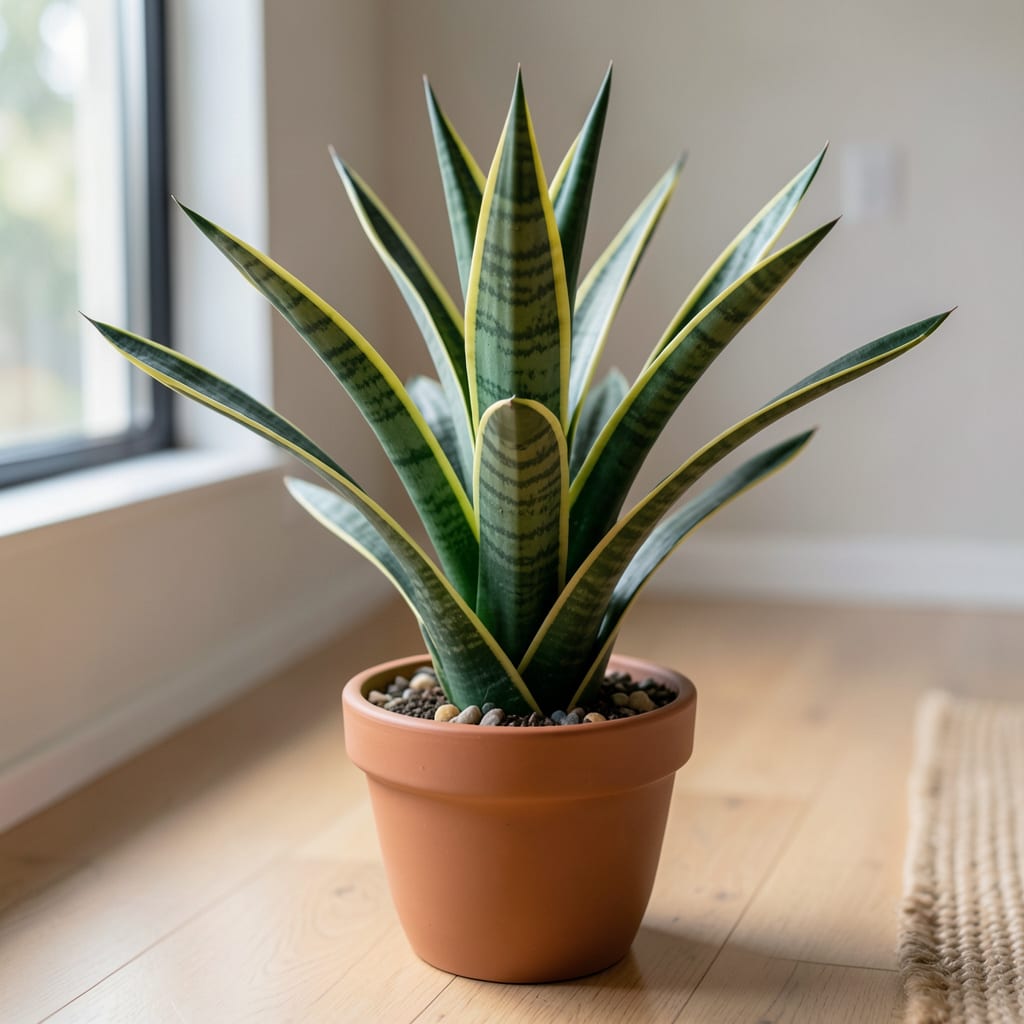
Tired of your snake plant staying stubbornly short while others seem to stretch for the ceiling? You’re not alone—most gardeners unknowingly sabotage their plant’s height with two simple missteps: light and water.
The good news? With a few science-backed tweaks, you can transform your stunted 🌱 into a towering statement piece. I’ll show you exactly how to balance these factors (and when to break the rules) for faster, taller growth—no green thumb required.


If your snake plant looks more like a stubby shrub than a towering statement piece, light exposure is almost always the culprit. These tough plants survive in low light, but they thrive—and stretch upward—when given bright, indirect sunlight. Think east-facing windows or filtered light near south exposures.
I’ve seen stunted snake plants double in height within months just by moving them to a spot with 6+ hours of gentle light daily. Direct sun can scorch leaves, but too little light forces them to grow slowly and stay compact. The sweet spot? A location where shadows are soft but present most of the day.
| Requirement | Specification |
|---|---|
| Light Intensity | Bright, indirect (no harsh rays) |
| Daily Exposure | 6+ hours (minimum 4 for survival) |
| Best Window | East-facing (morning sun) or north-facing |
| Outdoor Placement | Partial shade (dappled sunlight under trees) |
| Signs of Too Little Light | Slow growth, pale leaves, leaning toward light |
Pro Tip: Rotate your plant quarter-turn weekly to prevent lopsided growth toward the light source.
Outdoors, snake plants adore dappled sunlight under trees or on covered patios. If you’re growing them inside, a grow light (set 12–14 inches above the plant for 12 hours/day) can mimic ideal conditions. I’ve used LED grow bulbs in standard lamps with great success—just avoid incandescent, which emits too much heat.
Watch for light stress signals: Yellowing tips mean too much sun, while elongated, weak leaves indicate insufficient light. If your plant starts leaning dramatically, it’s stretching toward a light source—time to relocate! A simple fix is moving it closer to the window or switching to a sheer curtain to diffuse harsh rays.
Seasonal adjustments matter too. In winter, when days are shorter, supplement with grow lights or place plants near the brightest window. Come summer, protect them from intense afternoon sun, which can bleach leaves. I like to use a light meter app to check intensity—aim for 10,000–20,000 lux for optimal growth.
Remember, snake plants grow slowly—even in perfect light, you’ll see only 2–4 new leaves per year. But with consistency, those leaves will be taller, thicker, and more vibrant. Pair your light setup with the right watering routine (we’ll cover that next), and you’ll have a 6-foot beauty in just a few years.
If you’re growing variegated varieties (like ‘Moonshine’ or ‘Laurentii’), they need even more light to maintain their patterns and height. Low light causes their variegation to fade and growth to stall. For these, prioritize east or north windows and consider a grow light in darker months.
Still unsure about your setup? Try this test: Place your hand between the light source and your snake plant. If the shadow is faint and soft, the light is ideal. A sharp, dark shadow means it’s too intense, while no shadow signals too little light. Adjust accordingly!
With the right light, your snake plant will reward you with dramatic vertical growth—just be patient. These plants are marathon runners, not sprinters, but the payoff is a stunning, architectural focal point that purifies your air too. ☀️🌱
If your snake plant is stuck at a stubby height, chances are you’re making one of three common watering errors. These tough plants thrive on neglect, but overwatering is the fastest way to stunt their growth. I’ve seen gardeners double their plant’s height just by adjusting their watering routine.
The “soak-and-dry” method works best: water thoroughly until it drains from the bottom, then wait until the top 2 inches of soil are completely dry. This mimics their natural arid habitat and encourages deep root growth, which directly supports taller leaves. Most people water too frequently!
Seasonal adjustments matter too. In winter months, I water my snake plants just once every 4-6 weeks. The cooler temperatures and lower light mean they need far less moisture. During summer, check soil moisture weekly but only water when truly dry. Terracotta pots help by wicking away excess moisture.
Your pot choice dramatically affects watering success. Terracotta is ideal because it breathes, preventing soggy soil. Plastic pots trap moisture, which can lead to root rot. Always use pots with drainage holes—this isn’t optional for tall growth. I’ve rescued many stunted plants just by repotting them into proper containers.
Here’s my pro tip: water in the morning when possible. This gives the plant all day to absorb moisture before cooler evening temperatures. I use room-temperature water to avoid shocking the roots. If you notice yellowing leaves, that’s often a sign of overwatering—cut back immediately to save your plant.
Remember, snake plants grow slowly—about 2-4 new leaves per year under ideal conditions. Patience is key, but proper watering will give you the tallest, healthiest plant possible. When in doubt, wait another week before watering. Your plant will thank you with impressive height gains! 🌱
You’ve nailed the light and water balance, but your snake plant still looks stubby? Don’t worry—these five pro tricks will give it that extra height boost. From fertilizer hacks to strategic pruning, we’re diving into the details that most gardeners overlook.
First, let’s talk fertilizer timing. Snake plants thrive on low-nitrogen, high-phosphorus blends (like 5-10-5) during their growing season (spring to early fall). Overdoing nitrogen makes leaves floppy, while phosphorus strengthens roots and stems for upward growth.
One of my favorite tricks is cinnamon powder—sprinkle a pinch on the soil after repotting to prevent fungal infections. It’s a natural antifungal that keeps roots healthy, which directly supports taller growth. For an extra kick, add Epsom salt (1 tsp per gallon of water) monthly for magnesium.
Don’t underestimate the power of leaf pruning. By removing the lowest, oldest leaves, you force the plant to focus energy on upward growth. Use clean, sharp pruning shears and cut at the base. This also improves airflow, reducing the risk of pests or rot.
Finally, consider a grow light if your space lacks natural light. Even 2-3 hours daily under a full-spectrum LED can make a noticeable difference. Pair this with terracotta pots (better airflow) and a well-draining mix (60% cactus soil + 40% perlite), and you’ll see results in months! 🌱
Repot your snake plant every 2-3 years or when roots circle the pot. Use a container only 1-2 inches larger—too much space slows growth. Spring is ideal for repotting to minimize stress.
Bending leaves usually mean uneven light exposure. Rotate your plant quarter-turn weekly so all sides get equal light. Weak stems can also indicate overwatering or insufficient light.
Regular soil retains too much moisture. Mix 60% cactus/succulent soil with 40% perlite for ideal drainage. This prevents root rot while giving roots room to expand downward for taller growth.
With optimal care, expect 2-4 new leaves per year, each potentially adding 6-12 inches to height. Significant growth becomes visible after 12-18 months of consistent light and water management.
Removing pups (baby plants) redirects energy to the mother plant. Use clean shears to cut pups at the base. This can accelerate vertical growth by 20-30% in the following season.
