
Beautiful Plants For Your Interior
Beautiful Plants For Your Interior
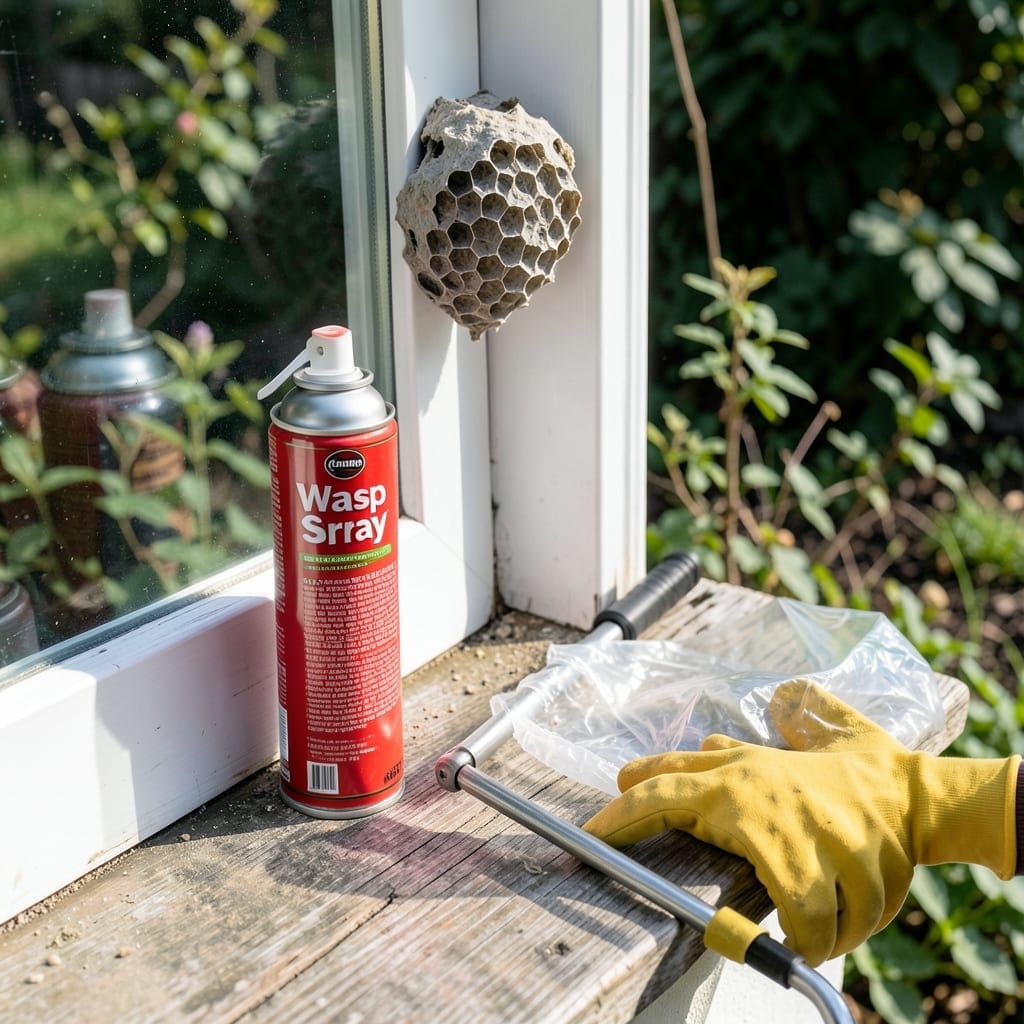
That wasp nest in your window frame isn’t just annoying—it’s a ticking time bomb. I learned this the hard way last summer when an innocent screen check turned into a full retreat. Here’s the thing—you don’t need harsh chemicals to handle this safely.
Most people panic and reach for the strongest spray they can find. The truth is, a simple evening approach with household items works better and keeps you from getting stung. Timing and technique are everything when you’re dealing with an active nest.
By morning, you’ll have an empty frame and peace of mind. The wasps will be gone without harming your family, pets, or the environment. No fancy equipment, no toxic fumes—just a foolproof method that actually works.
Works for any window frame, any wasp species. Just follow the steps carefully and you’ll reclaim your space without the drama.
Wasps don’t pick window frames at random—they’re drawn to these spots for very specific reasons. Understanding why they build nests there can help you prevent future infestations. Here’s the science behind their behavior:
Window frames provide an ideal microhabitat for wasps. The overhangs, crevices, and gaps in the framing shield nests from rain, wind, and direct sunlight. Paper wasps, in particular, prefer these dry, covered areas to construct their open-cell nests. The structural nooks also deter predators like birds or raccoons, giving colonies a safer space to thrive.
Window frames, especially those with wooden or vinyl materials, absorb and retain heat. Wasps are ectothermic, meaning they rely on external heat sources to regulate their body temperature. A sun-warmed frame mimics the natural warmth of a tree cavity or rock crevice—prime real estate for queen wasps starting a new colony in spring.
Windows often sit near food-rich zones like gardens, trash cans, or outdoor dining areas. Wasps are opportunistic foragers, and a nest near a window gives them quick access to sugars (nectar, fruit), proteins (insects), and human scraps. Yellowjackets, for example, are notorious for scavenging near homes, making window frames a strategic base.
Gaps in weatherstripping, cracked caulk, or loose screens create direct pathways for wasps to enter and exit without obstruction. Unlike bees, which prefer enclosed spaces, many wasp species (like mud daubers) exploit these tiny openings to build nests inside the frame itself. Even a 1/4-inch gap is enough for a queen to start construction.
Dealing with a wasp nest in your window frame can feel daunting, but with the right approach, you can handle it safely. Here’s how to tackle the problem based on the cause and severity of the infestation.
If the nest is small or newly formed, you can often remove it yourself. Wait until dusk or night when wasps are less active. Wear protective clothing, including long sleeves, gloves, and a face mask. Use a vacuum with a long hose to suck up the wasps and nest, then immediately seal and dispose of the vacuum bag. Alternatively, spray the nest with soapy water to drown the wasps before removing it with a scraper or brush.
For larger nests, it’s best to call a professional pest control service. They have the equipment and expertise to remove the nest safely without putting you at risk. If you attempt DIY removal, use a wasp foam spray designed for nests. Apply it at night from a safe distance, following the product instructions carefully. Avoid using flammable sprays near windows or other fire hazards.
Once the nest is gone, take steps to prevent wasps from returning. Here’s how:
💡 Pro tip: If you notice increased wasp activity, act quickly—small nests are much easier to remove than large, established ones!
Wait until dusk or night when wasps are least active. They return to the nest at this time and are slower, reducing your risk of stings.
Yes! A mixture of soapy water in a spray bottle works well to drown wasps instantly. Spray directly onto the nest from a safe distance.
Seal all gaps in the frame with caulk and use deterrents like peppermint oil or fake nests. Regular inspections help catch new activity early.
Large nests can house hundreds of aggressive wasps. Professionals have the right gear and experience to remove them safely without triggering swarms.