
Beautiful Plants For Your Interior
Beautiful Plants For Your Interior
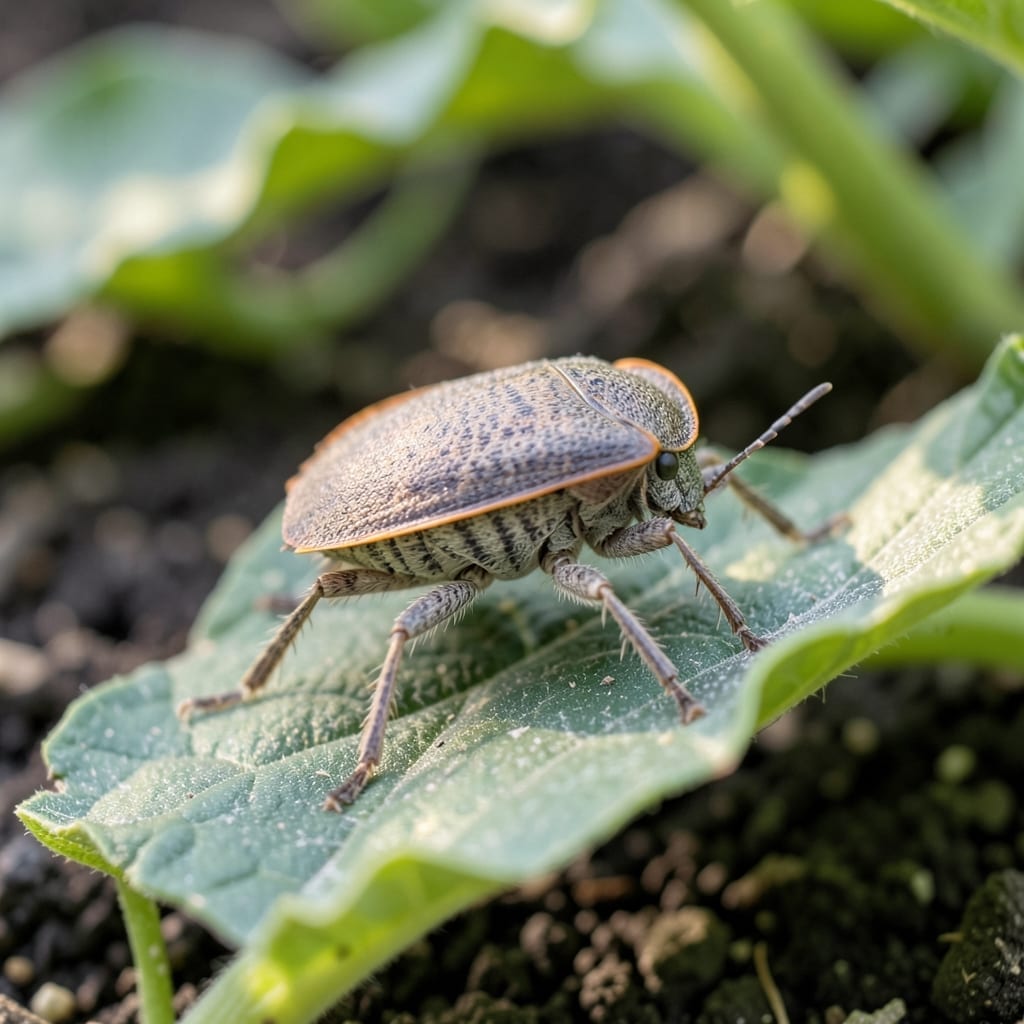
Squash bugs nearly ruined my zucchini last summer. 🌱 Handpicking eggs daily was my first line of defense, but I quickly learned better organic strategies to protect my plants without harsh chemicals.
The key is early action—adults lay bronze eggs on leaf undersides in late spring. I now check my vines weekly and remove eggs with duct tape. Diatomaceous earth creates a barrier that stops nymphs in their tracks.
Row covers work wonders during planting season, keeping adults from laying eggs. When removed for pollination, neem oil sprays disrupt their life cycle. The result? Healthy plants that produce all season long.
These methods take 10 minutes daily but save your harvest. Persistence beats pesticides every time.
Squash bugs (Anasa tristis) are a common menace in gardens, but their presence isn’t random. These pests thrive under specific conditions, often tied to plant health, environmental factors, and gardening practices. Understanding their triggers is the first step to organic control.
Squash bugs target weakened or overcrowded plants, especially in the Cucurbitaceae family (squash, pumpkins, cucumbers). Stressed plants emit volatile organic compounds (VOCs) that attract pests. Poor soil nutrition, inconsistent watering, or lack of pruning can create an ideal breeding ground.
These bugs love clutter. Piles of leaf litter, mulch, or garden debris provide shelter for adults and eggs. They lay bronze-colored eggs on the undersides of leaves or in soil crevices, where they’re protected from predators and harsh weather.
Squash bugs flourish in hot, arid climates. High temperatures accelerate their life cycle, while dry soil reduces plant resilience. Drought-stressed plants are more susceptible to infestation and damage, as their natural defenses (like thick cuticles) weaken.
Monoculture gardens (growing only squash or cucumbers) lack natural predators like ground beetles, spiders, or parasitic wasps. Without biodiversity, squash bug populations explode unchecked. Companion planting (e.g., nasturtiums, radishes) can disrupt their lifecycle.
Squash bugs can wreak havoc on your garden, but organic solutions can restore your plants’ health without harsh chemicals. Here’s how to tackle each cause with simple, natural fixes—plus tips to keep them from coming back.
Check the undersides of leaves daily for copper-colored eggs in clusters. Drop them into a bucket of soapy water to drown them before they hatch. Prevention tip: 💡 Lay down cardboard or mulch around plants to disrupt egg-laying spots.
In the early morning, handpick adults and nymphs (gray-brown, flat-backed bugs) and drop them into soapy water. For larger infestations, place wooden boards near plants overnight—they’ll gather underneath by dawn. Flip and dispose of them. Prevention tip: ✨ Rotate crops yearly to break their life cycle.
Mix 1 tbsp neem oil + 1 tsp dish soap + 1 quart water and spray directly on bugs and eggs. Reapply every 5–7 days or after rain. Neem disrupts feeding and reproduction. Prevention tip: 🎯 Encourage beneficial insects like ladybugs and parasitic wasps by planting companion flowers (e.g., marigolds, nasturtiums).
After harvest, remove all plant debris and till the soil to expose hiding bugs to cold weather. Prevention tip: 🌡️ Avoid composting infested plants—toss them in the trash to prevent reinfestation.
Consistency is key! Combine these methods for the best results, and your squash plants will thrive—naturally.
Inspect leaf undersides every 2-3 days during growing season. Bronze eggs hatch in about 10 days, so frequent checks prevent infestations. Morning is ideal when bugs are sluggish.
Yes! Sprinkle food-grade diatomaceous earth around plants to create a barrier. It dehydrates nymphs within 24-48 hours. Reapply after rain or watering.
Adults hide in garden debris over winter. Remove all plant residue after harvest and till soil to expose them. Rotate crops yearly to break their life cycle.
When mixed correctly (1 tbsp per quart of water), neem oil is safe for cucurbits. Test on a small area first and apply in evening to avoid leaf burn.