
Beautiful Plants For Your Interior
Beautiful Plants For Your Interior
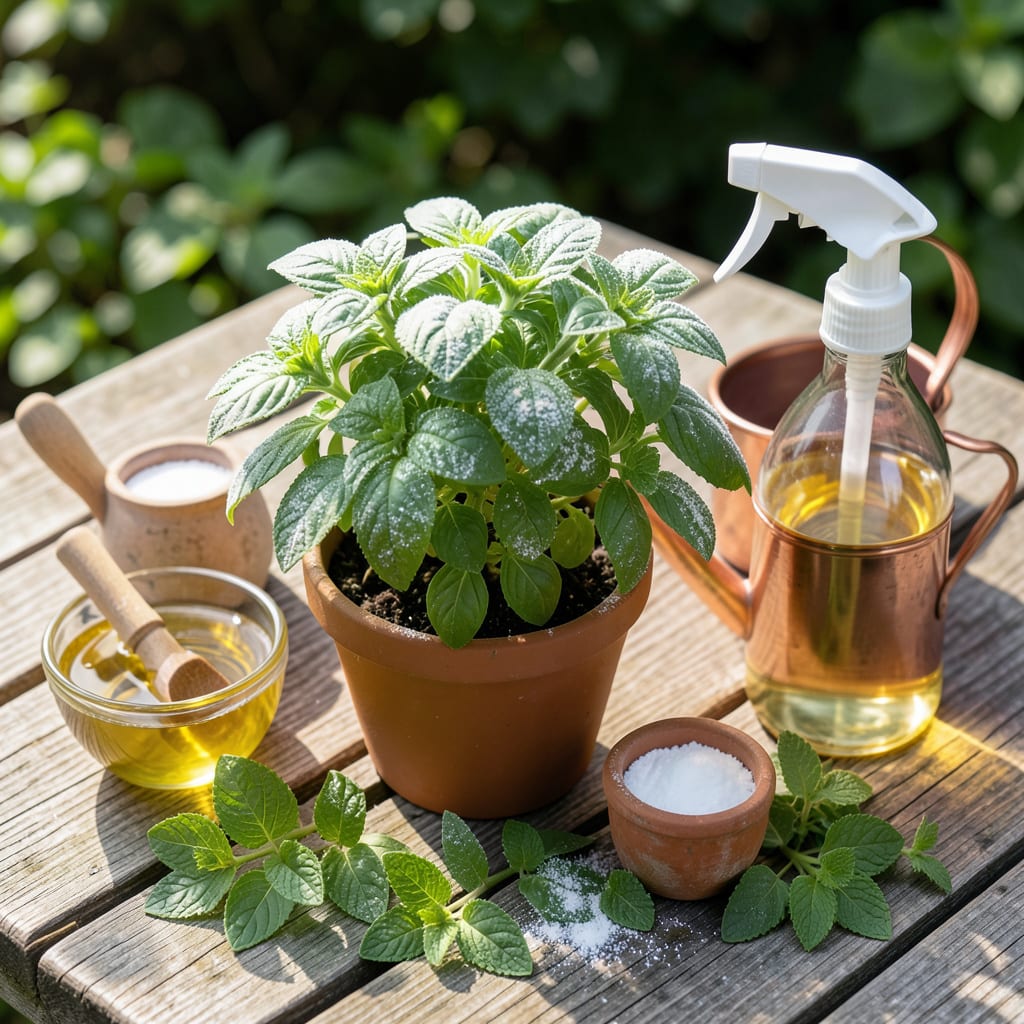
That white dust on your leaves isn’t just ugly—it’s stealing your plant’s lunch. 🌿 I’ve battled powdery mold on everything from roses to zucchini, and the solution is simpler than you’d think. Most gardeners overcomplicate this with expensive sprays.
The fix starts with airflow and sunlight, the two things this fungus hates most. A daily spray of water or milk disrupts the spores, and neem oil handles stubborn cases. Prevention beats cure every time.
Your plants will show improvement within 48 hours of treatment. Leaves turn vibrant again, growth resumes, and that powdery coating disappears like it was never there.
Works on vegetables, flowers, and houseplants. Here’s how to reclaim your garden.
Powdery mold, also known as powdery mildew, thrives under specific environmental conditions and plant vulnerabilities. Understanding these causes helps you prevent and manage outbreaks effectively.
This fungal disease prospers in humid environments (60-80% relative humidity) with stagnant air. When moisture lingers on plant surfaces—especially in crowded gardens or indoor setups—spores germinate rapidly. Ensure proper spacing between plants and use fans to improve circulation.
Powdery mildew favors temperature fluctuations, particularly 70-80°F (21-27°C) days followed by cooler nights. These conditions create surface moisture (dew) that fuels spore growth. Water plants early in the day to allow foliage to dry before evening.
Wetting leaves during irrigation provides the perfect breeding ground. Water at the base of plants to keep foliage dry. Drip irrigation or soaker hoses are ideal for preventing moisture buildup on leaves.
Some plants, like roses, cucumbers, squash, and zinnias, are genetically prone to powdery mildew. If you grow these, prioritize resistant cultivars and monitor them closely for early signs of infection.
Plants under stress—from nutrient deficiencies, drought, or pests—are more vulnerable. Maintain healthy soil with balanced fertilization and consistent watering to strengthen their natural defenses.
Powdery mold doesn’t have to spell the end for your plants. Here’s how to tackle it based on the root cause, with simple fixes and prevention tips to keep your greens thriving.
Stagnant air is a breeding ground for powdery mold. Fix it by spacing plants apart to allow airflow. Use a small fan on low to keep air moving, especially in indoor gardens. For outdoor plants, prune dense foliage to open up the canopy.
Prevention tip: 💡 Avoid overcrowding plants and regularly thin out leaves to maintain good airflow.
Too much moisture fuels fungal growth. Fix it by watering at the base of the plant (not the leaves) and only when the top inch of soil is dry. If humidity is high, consider a dehumidifier for indoor spaces or water early in the day so leaves dry quickly.
Prevention tip: 🌡️ Use a moisture meter to avoid overwatering, and opt for drip irrigation to keep foliage dry.
Stressed plants are more susceptible to powdery mold. Fix it by ensuring they get the right amount of light (6-8 hours of sunlight for most plants) and nutrients. Use a balanced fertilizer to boost their defenses, but avoid over-fertilizing, which can stress them further.
Prevention tip: ✨ Rotate crops annually and remove plant debris to reduce fungal spores in the soil.
If you spot powdery mold, act fast. Fix it by removing heavily infected leaves or plants to prevent spread. For mild cases, spray leaves with a mix of 1 tablespoon baking soda + 1 teaspoon dish soap + 1 gallon of water. Reapply every 7-10 days until the mold is gone.
Prevention tip: 🎯 Regularly inspect plants for early signs of mold and treat immediately to nip it in the bud.
Yes, a mix of 1 tablespoon apple cider vinegar + 1 gallon of water can help. Spray lightly on leaves every 5-7 days until the issue resolves. Avoid overuse as vinegar can harm plants if too strong.
Yes, powdery mold spores travel easily through air and water. Isolate infected plants immediately and avoid touching healthy foliage after handling affected areas.
Most natural treatments like baking soda or milk sprays need reapplication every 7-10 days. After rain or heavy watering, reapply sooner since the solution may wash off.
Wash produce thoroughly with water and a bit of vinegar. While the mold itself isn’t toxic, it can affect flavor. Avoid eating heavily infected leaves or fruits.
