
Beautiful Plants For Your Interior
Beautiful Plants For Your Interior
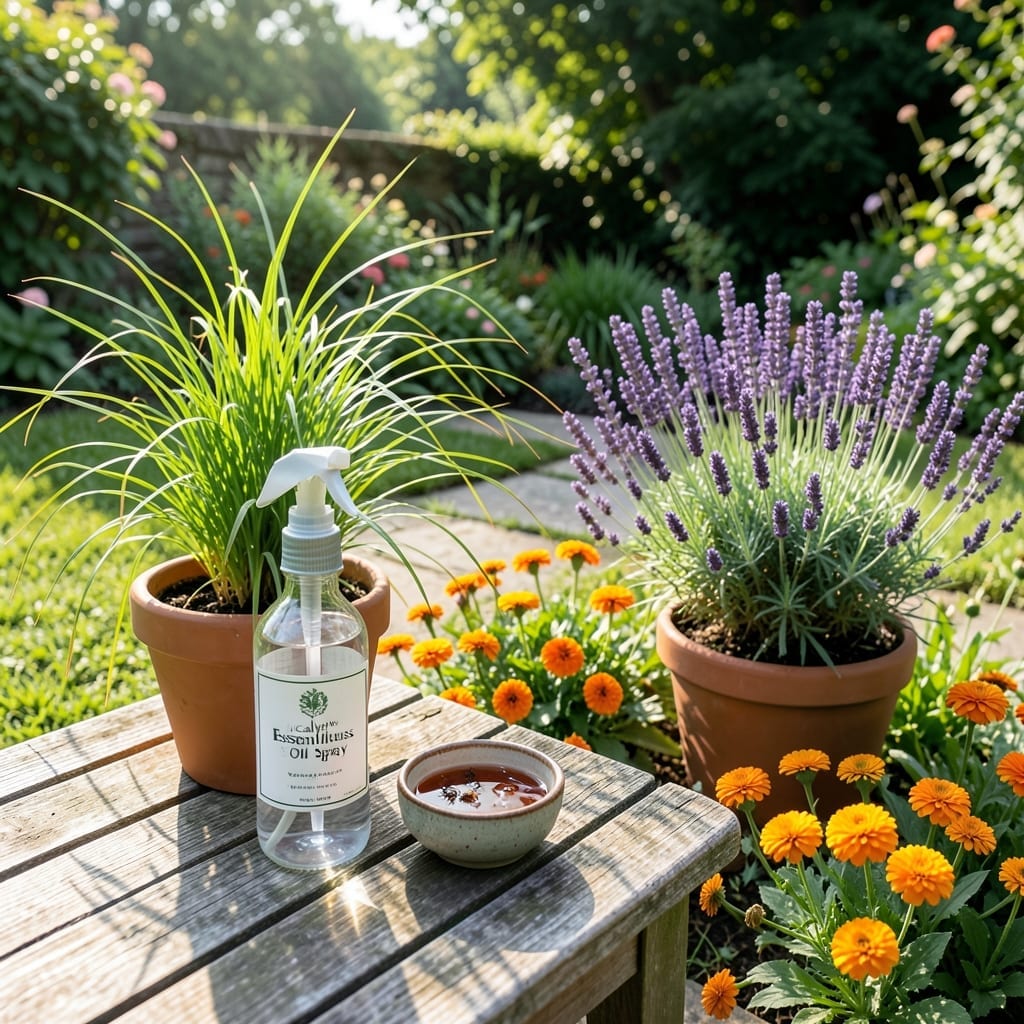
Tiny pests, big frustration. I discovered the hard way that chemical sprays don’t stop no-see-ums—they just make them angrier. Natural solutions actually work better and last longer.
Plant-based repellents create an invisible barrier these bugs can’t cross. The right combination of oils and herbs keeps them away without harsh chemicals. My backyard went from bite central to a no-see-um-free zone in one weekend.
You’ll notice fewer bites within 24 hours of applying these solutions. The scent is pleasant for humans but unbearable for pests. No special equipment needed—just plants and persistence.
Works for patios, gardens, and camping trips. These are the exact blends that saved my summer evenings outdoors.
No-see-ums, or Ceratopogonidae, thrive in specific environments, and their presence is rarely random. Understanding the root causes of their infestations can help you tackle the problem more effectively. Here’s why these tiny pests show up uninvited:
No-see-ums lay their eggs in moist, stagnant water. Puddles, clogged gutters, or even damp soil in potted plants create the perfect breeding ground. These insects are drawn to humidity, so areas with poor drainage or frequent rainfall are prime targets. Eliminating standing water removes their primary habitat.
These pests are most active in warm, humid conditions, typically during dawn and dusk. Regions with tropical or subtropical climates—like Florida or coastal areas—are hotspots for no-see-ums. Their population booms in temperatures between 75–85°F (24–29°C), making summer evenings a peak time for bites.
Tall grass, dense shrubs, and unkempt gardens offer shade and protection for no-see-ums. They use vegetation as resting spots and launch pads for biting. Regularly trimming plants and maintaining your yard can significantly reduce their numbers.
Like mosquitoes, no-see-ums are attracted to carbon dioxide (CO₂) exhaled by humans and animals. They also detect body heat and sweat, which is why they swarm around people, especially during outdoor activities. Wearing light-colored, long-sleeved clothing can help deter them.
No-see-ums can turn a peaceful evening into an itchy nightmare, but you can fight back without harsh chemicals. Here’s how to tackle these tiny pests naturally, with fixes mapped to their root causes.
No-see-ums love damp spots. Drain flowerpot saucers, birdbaths, and clogged gutters weekly. Fill low areas in your yard with sand or gravel to prevent water pooling. For larger bodies like ponds, introduce mosquito fish—they eat no-see-um larvae!
These pests thrive in still, humid air. Run fans on porches or patios to create a breeze—they’re weak fliers and will avoid gusty areas. Open windows with screens to improve indoor ventilation, and trim tall grass or bushes where moisture lingers.
Nature’s own repellents work wonders. Plant citronella, lavender, or lemongrass in pots near seating areas. Crush fresh rosemary or mint leaves and rub them on your skin for a quick fix. For broader coverage, mix 10 drops of eucalyptus oil with water in a spray bottle and mist curtains or clothing.
No-see-ums are most active at dawn and dusk. Light citronella candles 30 minutes before sunset, and wear long sleeves during these peak hours. A DIY trap (apple cider vinegar + dish soap in a bowl) can also lure and drown adults overnight.
Prevention Tip: 💡 Consistency is key! Reapply plant-based repellents every 2–3 hours, especially if you’re sweating or swimming. Keep your yard tidy to remove hiding spots, and you’ll see a dramatic drop in bites.
Citronella, lavender, and lemongrass are top choices. Plant them in pots near seating areas or crush their leaves for a quick repellent. Eucalyptus and mint also work well in spray form.
Reapply every 2-3 hours, especially if you’re sweating or swimming. Plant-based oils evaporate quickly, so frequent application maintains their effectiveness.
Yes! No-see-ums are weak fliers. A strong breeze from a fan on your porch or patio creates an effective barrier they’ll avoid.
Apply repellents and light candles 30 minutes before dawn or dusk. These pests are most active during these times, so early defense is key.