
Beautiful Plants For Your Interior
Beautiful Plants For Your Interior
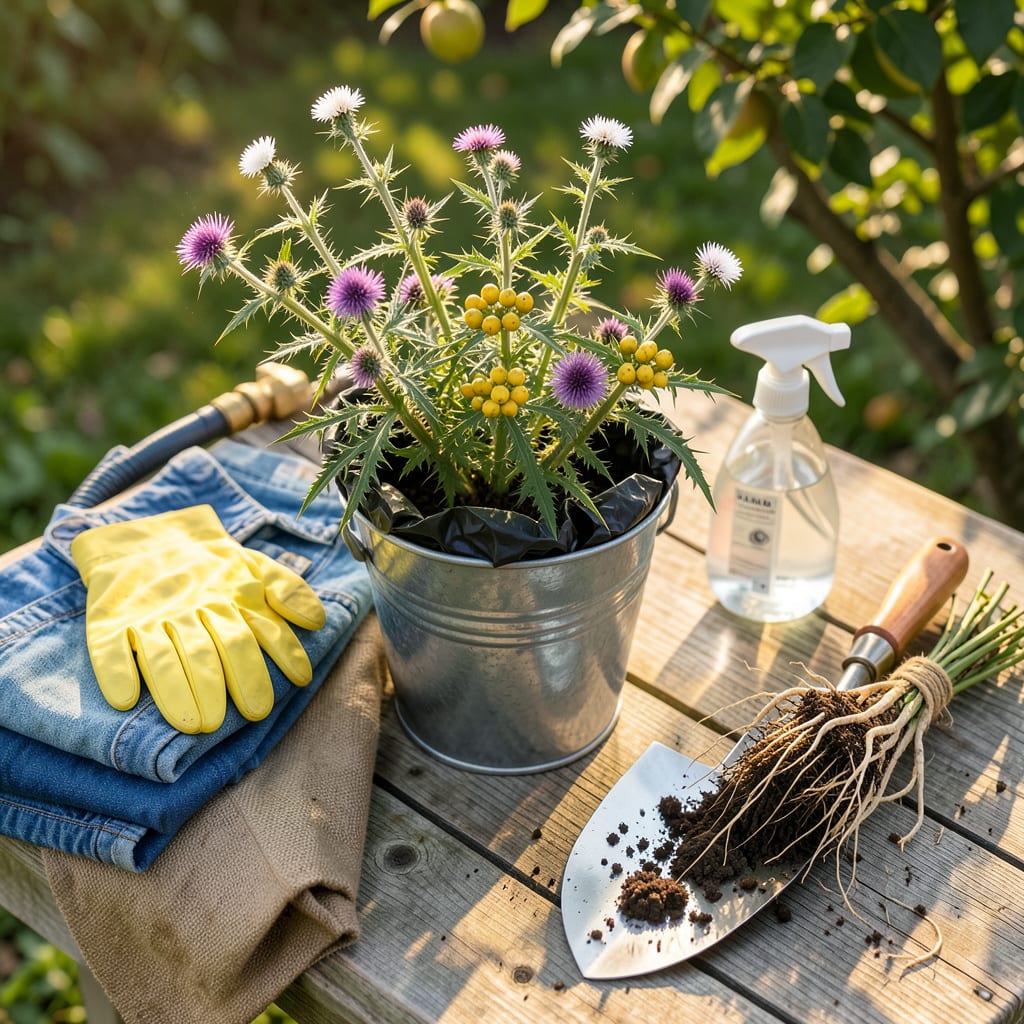
That spiny, yellow-berried menace in your garden isn’t going away on its own. Horse nettle spreads like wildfire through underground runners, and every piece of root left behind becomes a new plant. I’ve battled this weed for years, and the key is persistence—not just pulling what you see above ground.
You’ll need to outsmart it with a combination of digging, smothering, and targeted treatments. The good news? With the right approach, you can reclaim your garden space. We’re talking about methods that work without harming your soil or other plants—just consistent effort and the right techniques.
📚 In This Guide
This method works because it attacks the problem from multiple angles—no harsh chemicals required.
First, confirm you’re dealing with horse nettle by checking for its signature spiny stems, white to purple star-shaped flowers, and yellow berries. I always wear thick gloves and long sleeves when working near it—the spines can irritate skin. Mark the perimeter of the patch with small flags or sticks so you don’t accidentally spread seeds during removal.
Remove any nearby plants you want to keep before starting. Horse nettle’s aggressive roots will compete with everything around it. I’ve found it helps to work on a dry day when the soil is firm—this makes it easier to pull roots intact rather than having them snap off in wet ground.
Use sharp pruning shears to cut all stems down to 2-3 inches above ground level. This isn’t about killing the plant yet—it’s about removing its energy source. I cut stems at an angle so water rolls off rather than pooling, which can encourage regrowth. Collect all cut material in a heavy-duty trash bag immediately.
Don’t compost these clippings. Horse nettle can regrow from stem fragments, and the seeds remain viable for years. I double-bag the material and dispose of it with household trash. After cutting, I always disinfect my tools with rubbing alcohol to prevent spreading any lingering seeds or plant sap.
Cover the entire area with 4-6 layers of cardboard or 1/4-inch thick black plastic, extending at least 12 inches beyond the marked perimeter. This blocks sunlight and prevents new shoots from emerging. I weigh down the edges with bricks or rocks to keep everything in place during wind or rain.
Leave the covering in place for at least 6-8 weeks during active growing season. You’ll know it’s working when you check underneath and see no new green growth. In hot climates, this process may only take 4 weeks, while cooler areas might need 10-12 weeks for complete die-back.
After smothering, use a digging fork to carefully remove any remaining roots. Horse nettle has deep taproots that can regrow from small pieces, so I work methodically in 1-foot sections. Loosen the soil first, then sift through it to extract all root fragments. A garden sieve helps catch small pieces that might otherwise get missed.
Fill a bucket with soapy water and drop all root pieces into it as you find them. This prevents accidental re-planting if you drop fragments. I refill holes with fresh topsoil immediately to prevent erosion and discourage weeds from moving into the newly cleared space.
Check the area weekly for the first month, then monthly thereafter. New sprouts will appear lighter green than established plants. I pull these immediately by hand, making sure to get the entire root system. A small hand trowel helps with stubborn sprouts. Consistent removal eventually exhausts the plant’s energy reserves.
To prevent recurrence, maintain healthy ground cover with dense planting or mulch. I’ve had good success with creeping thyme or clover as living mulches—they outcompete any horse nettle seeds trying to germinate. Reapply cardboard mulch annually in early spring if you notice any regrowth starting.
After years of battling this stubborn plant, I’ve learned the hard way what really works—and what common mistakes can sabotage your efforts.
Safety First: In Step 1, don’t underestimate how irritating horse nettle can be. I once skipped the long sleeves and gloves, thinking I could be careful enough. Within minutes, my arms were covered in tiny red welts that itched for days. Always wear thick gardening gloves and cover exposed skin completely—the spines break off easily and can embed in clothing.
The Cutting Technique: When you’re doing Step 2 and cutting stems down to 2-3 inches, use bypass pruners rather than anvil pruners. The clean cut from bypass pruners heals better and reduces regrowth. I also recommend cutting at a 45-degree angle so water runs off instead of collecting on the cut surface, which can encourage rot that might stimulate new growth.
Smothering Success: For Step 3, the 6-8 week smothering period is critical, but here’s what nobody tells you: check under the covering after 3 weeks. If you see any green shoots, add another layer of cardboard immediately. I once had a patch where the roots were particularly stubborn, and I ended up needing 10 layers total. Also, in windy areas, use landscape staples in addition to bricks—they’ll save you from chasing cardboard across your yard.
Root Removal Strategy: During Step 4, don’t just dig randomly. Start from the outside of your marked perimeter and work inward in those 1-foot sections. This prevents you from stepping on areas you’ve already cleared, which can compact soil and make it harder to spot small root fragments. I use a bright-colored bucket for the soapy water so I can easily spot any root pieces that might fall outside during transfer.
Removal time depends on the method. Hand-pulling or digging may take weeks to months (repeated efforts are key!). Herbicides (if used) can show results in 1-2 weeks, but full eradication may require multiple applications. Natural methods like mulching or vinegar sprays often need 4-6 weeks of consistent treatment. Patience is crucial—this weed is stubborn!
Yes! Horse nettle (Solanum carolinense) contains toxic alkaloids like solanine, which can cause nausea, vomiting, or diarrhea if ingested. Pets (especially dogs and livestock) may experience drooling, lethargy, or stomach pain. Always wear gloves when handling, and remove plants before they fruit to prevent accidental poisoning.
Target early spring (before flowers appear) or late fall (when roots store energy). Avoid summer heat—plants stress and may regrow faster. For herbicides, apply on a dry, wind-free day when temps are 60–85°F. Pulling after rain softens soil, making roots easier to extract!
Try these:
Horse nettle spreads via underground rhizomes and seeds. If you miss even a small root fragment, it regrows! To prevent recurrence:
