
Beautiful Plants For Your Interior
Beautiful Plants For Your Interior
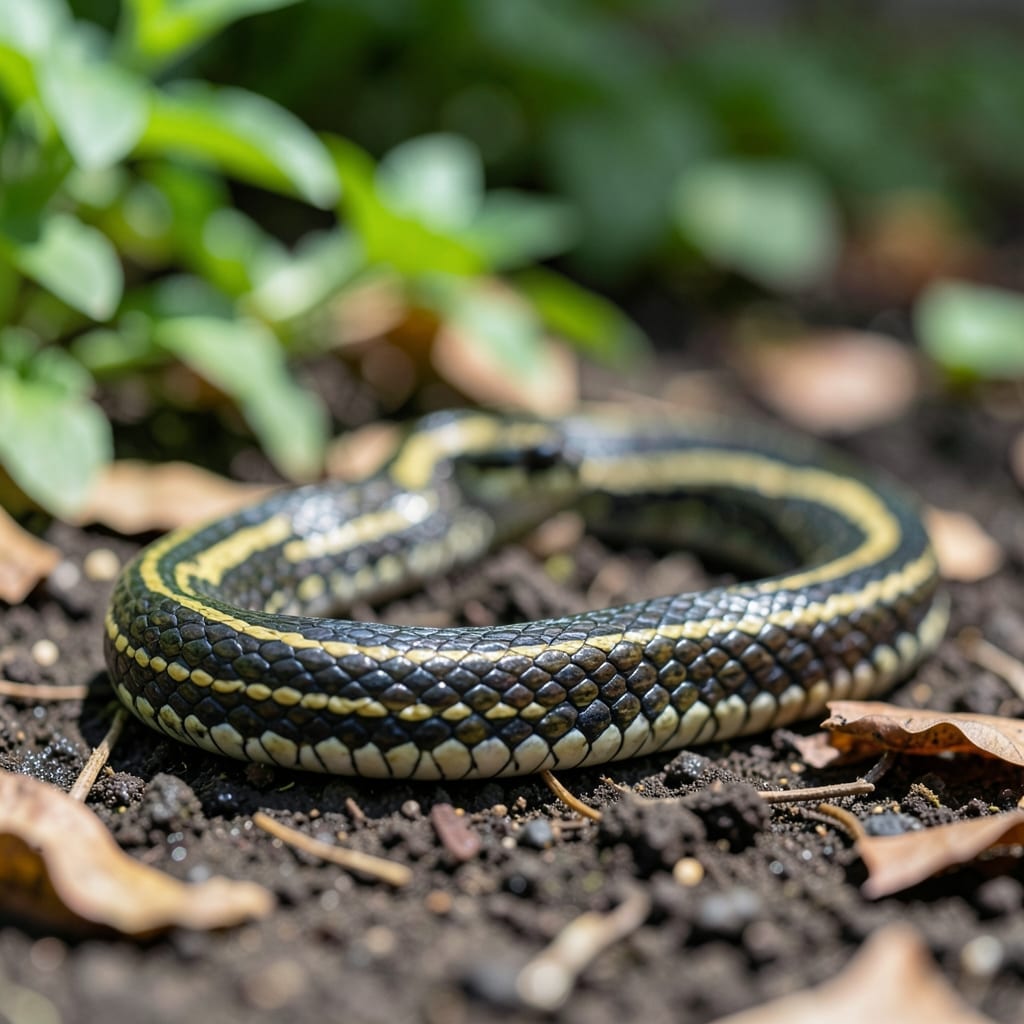
Slithering visitors near your foundation can be startling. I’ve found garter snakes in my garden beds and under the porch, and they always catch me off guard.
The good news is they’re harmless and actually help control pests. But if you’d rather they relocate, there are simple, natural ways to encourage them to move on without harm.
It starts with removing their hiding spots—tall grass, wood piles, and dense ground cover. A tidy yard is the first step to making your home less inviting to these quiet neighbors.
You’ll notice fewer sightings within a week or two of making these changes. The snakes will find more appealing homes, and you’ll get your peace of mind back.
Garter snakes are drawn to residential areas for a few key reasons, often tied to their survival needs. Understanding these causes can help you address the root of the problem.
Garter snakes primarily feed on small prey like earthworms, slugs, frogs, and rodents. If your yard has a thriving population of these creatures—often due to overwatering, dense mulch, or untended gardens—it becomes a buffet for snakes. Reducing pest populations (e.g., using organic slug controls or removing rodent hideouts) can make your property less appealing.
These snakes prefer damp environments, especially near water sources like leaky hoses, poorly drained soil, or overgrown vegetation. Tall grass, wood piles, and rock heaps also provide ideal hiding spots. Eliminating standing water and keeping your yard tidy removes their preferred habitats.
Garter snakes are ectothermic, meaning they rely on external heat to regulate their body temperature. Sunny patches near sidewalks, driveways, or south-facing walls attract them for basking. Shading these areas with plants or structures can discourage their presence.
In urban and suburban settings, natural predators like hawks, foxes, or larger snakes are often absent. Without threats, garter snakes thrive. Encouraging predator-friendly habits (e.g., installing owl boxes) can help restore balance naturally.
Garter snakes are generally harmless, but their presence around your home can still be unsettling. Here’s how to address the most common attractants and keep them at bay.
Garter snakes love clutter, tall grass, and dense vegetation. Trim overgrown bushes, mow your lawn regularly, and clear piles of leaves, firewood, or debris near your home. Store firewood at least 18 inches off the ground to eliminate cozy hiding spots.
Inspect your home’s foundation, garage, and sheds for cracks or gaps. Seal any openings larger than ¼ inch with caulk, steel wool, or hardware cloth. Pay special attention to areas where utility pipes enter the house.
Garter snakes feed on insects, worms, and small rodents. Reduce their food supply by keeping your yard free of slugs, snails, and mice. Use natural pest control like diatomaceous earth for insects or set humane traps for rodents.
Pro tip 💡: Bird feeders can attract rodents, which in turn attract snakes. Place feeders far from your home or switch to seed types that don’t attract mice.
These snakes thrive in damp environments. Fix leaky faucets, ensure proper drainage, and use a dehumidifier in basements or crawl spaces. Avoid overwatering plants near your home’s foundation.
Certain scents repel garter snakes. Place clove or cinnamon oil-soaked rags around entry points or spray a vinegar solution (equal parts water and white vinegar) near snake-prone areas. Note: Reapply after rain.
Pro tip 🌡️: Plant snake-repelling herbs like lemongrass, marigolds, or wormwood in your garden as a long-term deterrent.
By tackling these attractants, you’ll make your property far less appealing to garter snakes—naturally and without harm.
No, they’re non-venomous and pose no real danger to cats or dogs. They may bite if threatened, but it’s rare and harmless. Supervise pets to prevent unnecessary stress on both animals.
Remove clutter and tall grass immediately, then seal entry points. These two steps often show results within a few days.
Avoid mothballs—they’re toxic to pets, wildlife, and children. Natural options like cinnamon oil or vinegar are safer and just as effective.
They might wander back if food or shelter remains. Maintain a tidy yard and reapply deterrents after rain to discourage their return.