
Beautiful Plants For Your Interior
Beautiful Plants For Your Interior
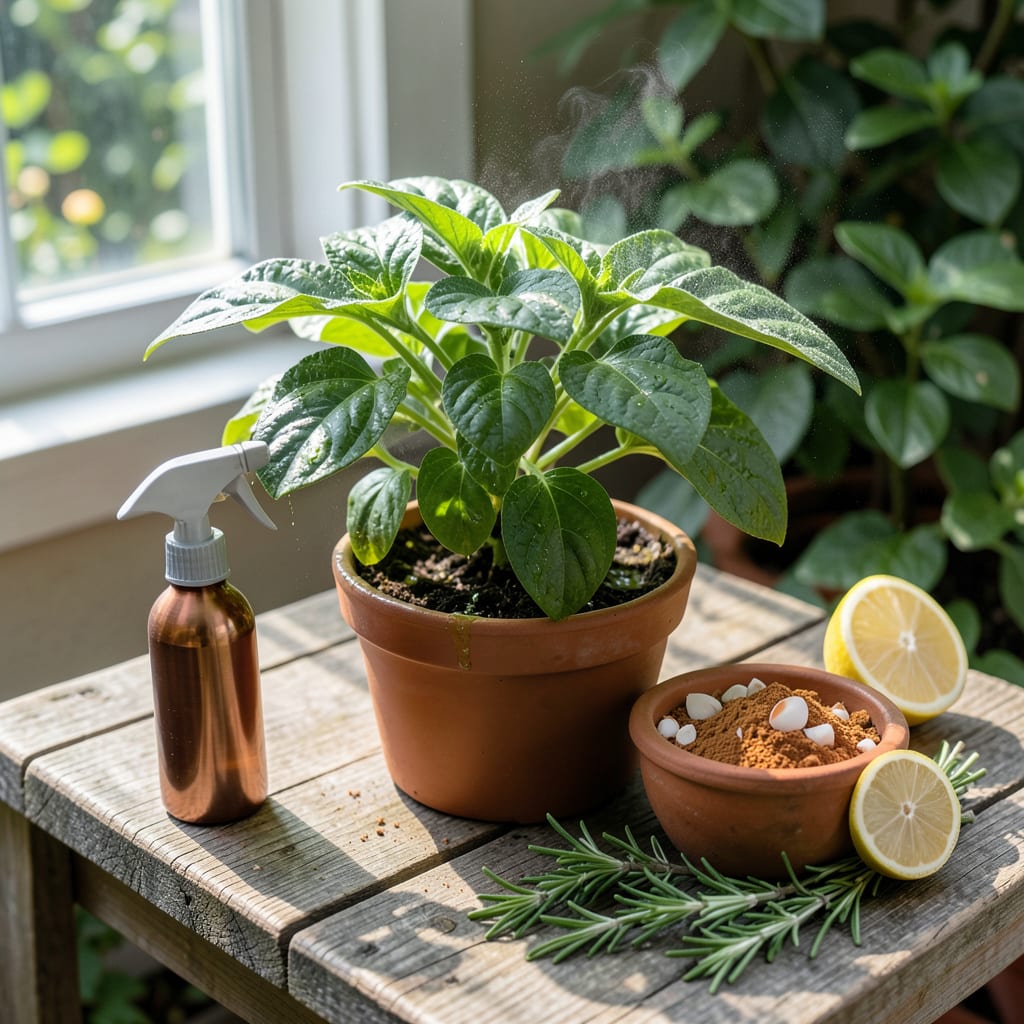
Spotted leaves and white powder ruined my favorite roses last summer. Healthy plants don’t have to stay that way—fungus spreads fast but can be stopped even faster.
I learned the hard way that overwatering and crowded foliage invite trouble. The fix isn’t complicated: better air flow, less moisture on leaves, and a few simple treatments do the trick.
Within a week of using the right approach, new growth comes in clean. No more yellowing leaves or stunted blooms—just plants that look as good as they should.
Works for houseplants, garden beds, and containers alike. Here’s how to turn the tide.
Fungal infections in plants don’t appear out of nowhere—they thrive under specific conditions. Understanding these triggers helps you prevent outbreaks before they start. Here’s why fungus takes hold:
Fungi love damp environments. Overwatering, high humidity, or soil that doesn’t drain well creates the perfect breeding ground. Waterlogged roots or consistently wet foliage (from rain, sprinklers, or poor airflow) invite spores to germinate and spread. Stagnant air compounds the problem by keeping surfaces wet longer.
Most plant fungi thrive in warm, humid conditions (70–85°F with 80%+ humidity). Greenhouses, terrariums, or crowded plant arrangements trap moisture and heat, accelerating fungal growth. Even outdoor plants in dense canopies or shaded areas with little airflow are at higher risk.
Tightly packed plants or cluttered growing spaces restrict airflow, allowing moisture to linger on leaves and stems. This is why powdery mildew and botrytis often strike plants in overcrowded gardens or indoor setups without ventilation.
Fungal spores can hitch a ride on unsterilized potting mix, garden tools, or even your hands. Reusing soil from infected plants or failing to clean pruners between cuts spreads pathogens to healthy specimens. Some fungi, like Fusarium or Phytophthora, can survive in soil for years.
Plants under stress—from nutrient deficiencies, pest damage, or improper light—have weaker defenses. Their compromised immune systems make them more susceptible to fungal attacks. Over-fertilization (especially with high-nitrogen blends) can also promote lush, soft growth that’s easier for fungi to penetrate.
Fungus on plants can be stubborn, but these targeted solutions will help you restore your garden’s health. Address the issue early for the best results.
Too much moisture is a common culprit. Fix it by watering only when the top inch of soil is dry. Use a moisture meter or stick your finger in the soil to check. Water at the base of the plant to keep leaves dry, and avoid overhead watering in the evening. Prevention tip: 💡 Improve drainage by adding perlite or sand to the soil mix.
Fungus thrives in stagnant, humid conditions. Fix it by thinning out dense foliage with clean, sharp shears to allow airflow. Space plants farther apart if they’re crowded. Prevention tip: 🌬️ Use a small fan on low to gently circulate air in indoor setups.
If you spot fungal growth (like powdery mildew or black spot), act fast. Fix it by removing infected leaves or stems and disposing of them in the trash (not compost). Spray the plant with a natural fungicide like neem oil, baking soda solution (1 tsp baking soda + 1 quart water + a few drops of dish soap), or a copper-based spray. Prevention tip: ✨ Sterilize pruning tools with rubbing alcohol between cuts to avoid spreading spores.
Fungus in the soil can reinfect plants repeatedly. Fix it by repotting with fresh, sterile potting mix. For garden beds, solarize the soil by covering it with clear plastic for 4-6 weeks to kill off pathogens. Prevention tip: 🌡️ Avoid reusing soil from infected plants without treatment.
Stressed or malnourished plants are more susceptible. Fix it by fertilizing with a balanced, organic option to strengthen their defenses. Ensure they’re getting the right amount of light for their species. Prevention tip: 🎯 Rotate crops annually in garden beds to prevent soil-borne diseases.
Apply natural fungicides like neem oil every 7-10 days until the infection clears. For severe cases, use copper-based sprays every 5-7 days but avoid overuse to prevent resistance.
Yes, a mix of 1 tablespoon vinegar + 1 gallon water can help, but test on a small area first. Vinegar’s acidity may harm delicate plants if used undiluted or too frequently.
Recurring fungus often means the environment hasn’t changed. Check for poor airflow, overwatering, or contaminated tools. Address the root cause to break the cycle.
No, composting can spread spores. Always dispose of infected plant material in the trash, not compost, to prevent reinfection.
