
Beautiful Plants For Your Interior
Beautiful Plants For Your Interior
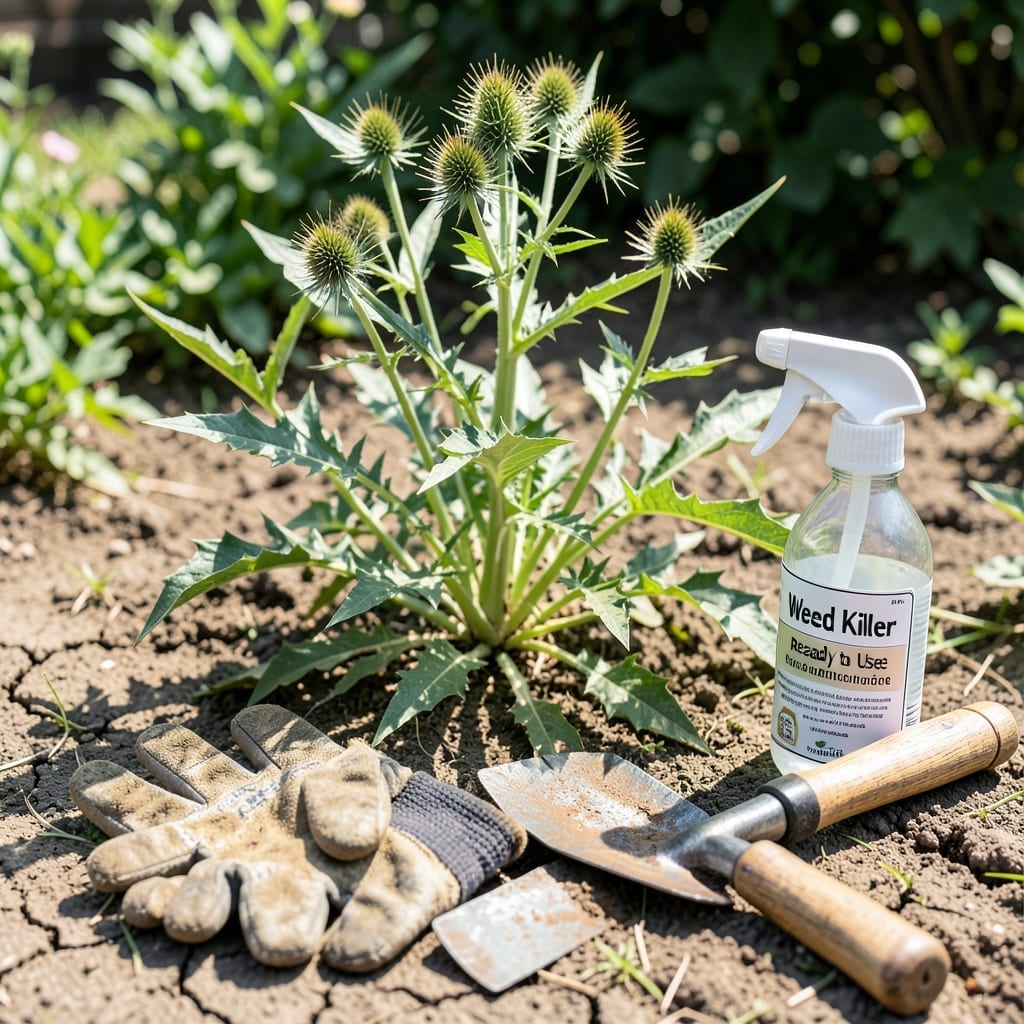
Cockleburs turned my garden into a thorny nightmare last summer. These aggressive weeds spread fast, choke out plants, and leave painful burrs that cling to everything.
I learned the hard way that pulling them by hand just scatters seeds everywhere. The key is catching them early before they flower, using the right tools to remove roots completely. Natural methods work best for me.
With consistent effort, you can reclaim your space. The difference between a burr-infested plot and a clean garden is timing and technique.
Here’s how to evict them for good and keep them from coming back next season.
Cockleburs thrive in specific conditions, often due to environmental and human factors. Understanding these causes helps you tackle the root of the problem.
Cockleburs often appear in disturbed or compacted soil with low fertility. These plants are opportunistic, sprouting in areas where grass or other vegetation is weak. Overgrazing, heavy foot traffic, or construction can create bare spots ideal for cocklebur seeds to germinate.
These weeds love wet, poorly drained soil. Standing water or frequent irrigation can encourage their growth, especially in low-lying areas. Cockleburs are common in fields, gardens, or lawns with inadequate drainage.
Thin or sparse grass allows cockleburs to take over. If your lawn or pasture lacks healthy, dense vegetation, these weeds will seize the opportunity. Proper mowing, overseeding, and fertilization can help outcompete them.
Cocklebur seeds hitchhike on animals, clothing, or equipment. Their barbed bracts cling to fur, feathers, or fabric, allowing them to spread far from the parent plant. Birds and livestock often unintentionally transport seeds across properties.
Cockleburs can be stubborn, but with the right approach, you can reclaim your yard or garden. Here’s how to address the issue based on its cause:
Cockleburs thrive in neglected spaces. Fix: Mow or trim overgrown grass and weeds regularly to remove their habitat. Use a lawnmower or string trimmer for larger areas, and pull small patches by hand. Prevention tip: 💡 Maintain a consistent mowing schedule to keep these plants from taking root.
Disturbed soil, like in gardens or construction sites, invites cockleburs. Fix: Apply a layer of mulch or landscape fabric to suppress growth. For existing plants, pull them before they seed. Prevention tip: 🎯 Cover bare soil with mulch or ground covers to block sunlight and deter growth.
Birds and animals can spread cocklebur seeds. Fix: Remove existing plants before they produce burrs. Use gloves to avoid skin irritation. Prevention tip: ✨ Install bird feeders away from gardens to reduce seed dispersal in unwanted areas.
Cockleburs love damp, poorly drained soil. Fix: Improve drainage by adding organic matter or installing French drains. For existing plants, pull them or use a post-emergent herbicide labeled for cockleburs. Prevention tip: 🌡️ Test soil drainage and amend it with compost to create a less inviting environment.
Early spring is ideal, before they flower and produce burrs. Pull young plants by hand or mow them down.
Yes! Vinegar solutions or boiling water can kill small patches. For larger areas, corn gluten meal prevents seed germination.
Seeds can lie dormant for years. Remove roots completely and use mulch to block new growth.