
Beautiful Plants For Your Interior
Beautiful Plants For Your Interior
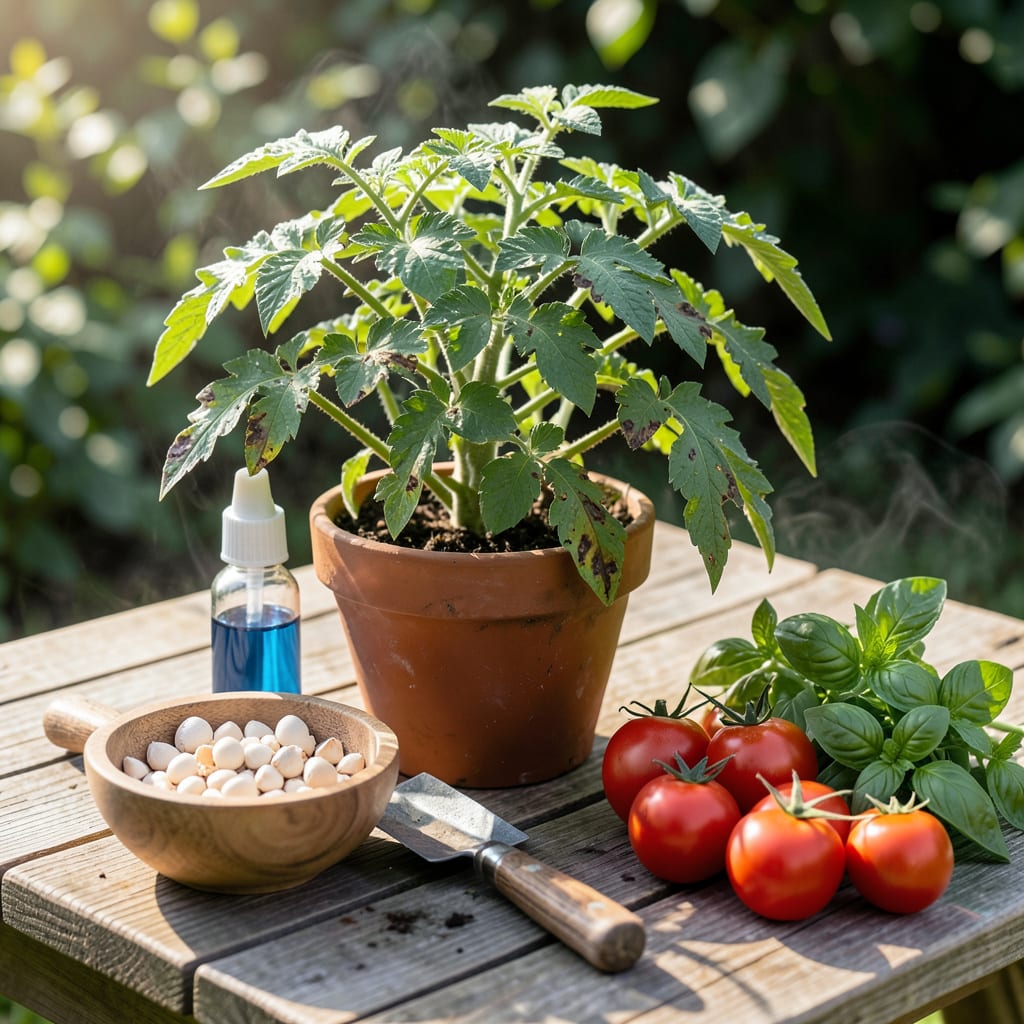
Brown spots spreading on your tomato leaves means trouble. I lost half my crop one summer before learning how to stop blight in its tracks.
This fungal nightmare thrives in wet conditions and can wipe out plants in days. The good news? Natural sprays and smart gardening practices can save your harvest without harsh chemicals.
You’ll spot early warning signs like dark lesions or yellowing leaves. Catch it fast and your tomatoes still have a fighting chance.
Works for both early and late blight. Here’s how to turn the tide before it’s too late.
Tomato blight is a frustrating and common issue, but understanding its root causes can help you prevent and manage it effectively. Here’s a breakdown of the primary culprits behind this pesky problem:
The most common causes of blight are fungal pathogens like Phytophthora infestans (late blight) and Alternaria solani (early blight). These fungi thrive in cool, wet conditions, spreading rapidly through spores carried by wind, water, or infected plant debris. Late blight, in particular, can devastate an entire crop in just a few days if left unchecked.
Overwatering or poor drainage creates the perfect breeding ground for blight. When tomato leaves stay wet for extended periods—whether from rain, overhead irrigation, or high humidity—they become more susceptible to fungal spores. Water at the base of the plant and avoid wetting the foliage to reduce risk.
Blight can lurk in contaminated soil or infected seedlings. If you reuse soil or start with diseased plants, the fungus can quickly spread to healthy ones. Rotate crops and use disease-free seeds or seedlings to minimize this risk.
Dense plantings or lack of pruning restrict airflow, trapping moisture around the leaves. This stagnant environment encourages fungal growth. Space plants properly and prune excess foliage to improve ventilation.
By tackling these root causes, you can significantly reduce the likelihood of blight taking hold in your tomato garden. 🌱
Blight doesn’t have to spell the end for your tomato plants. Here’s how to tackle it head-on, depending on the type you’re dealing with.
Start by removing infected leaves at the first sign of brown spots with concentric rings. Use clean, sharp shears and dispose of the debris in sealed bags—not your compost. Prevention tip: Improve air circulation by spacing plants 2–3 feet apart and staking them. Apply a copper-based fungicide or a DIY mix of 1 tsp baking soda + 1 quart water + a drop of dish soap every 7–10 days. 💡 Water at the base to keep foliage dry.
Late blight spreads rapidly, so remove entire infected plants immediately to protect others. Avoid overhead watering and switch to drip irrigation. Treat remaining plants with neem oil or a hydrogen peroxide spray (1 tbsp 3% peroxide per gallon of water). Prevention tip: 🎯 Rotate crops—never plant tomatoes or potatoes in the same spot two years in a row.
Rake up and destroy fallen leaves to break the fungus’s life cycle. Apply a sulfur-based fungicide or a garlic-chili spray (blend 2 garlic cloves, 1 chili, 1 quart water, and strain). Prevention tip: ✨ Mulch with straw to prevent soil splash, which spreads spores. Disinfect tools with rubbing alcohol between uses.
Pro tip for all types: Strengthen plants with balanced fertilization—too much nitrogen promotes leafy growth, which is more susceptible to blight. 🌡️ Monitor humidity and avoid crowded plantings to keep blight at bay.
Yes, if caught early. Remove infected leaves immediately and treat with copper fungicide or neem oil. For severe cases, pull the entire plant to protect others.
Apply DIY sprays like baking soda or garlic-chili mix every 7-10 days, or after rain. Consistency is key to preventing new infections.
Yes, fungal spores can overwinter. Rotate crops and avoid planting tomatoes in the same spot for at least 2 years.
No. The fungus survives composting. Seal infected plants in bags and discard with household trash to prevent spread.
