
Beautiful Plants For Your Interior
Beautiful Plants For Your Interior
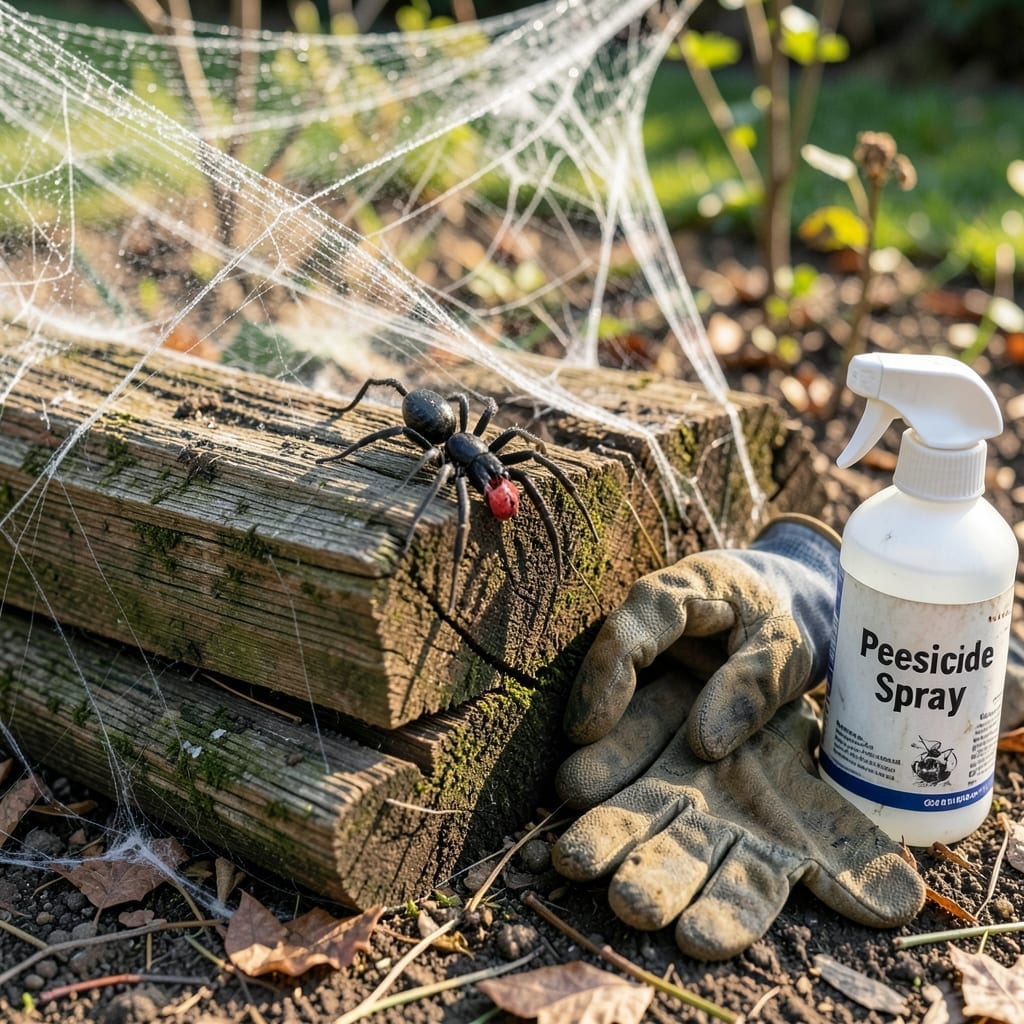
I found my first black widow hiding under a terracotta pot last summer. Not fun. These spiders love dark, undisturbed spaces like sheds, woodpiles, or cluttered garages.
The good news? They’re more scared of you than you are of them. A thorough cleanup is your first defense—remove debris, seal cracks, and eliminate hiding spots. It’s simpler than you think.
For the ones that remain, targeted treatments work fast. You’ll see results within 24-48 hours of applying the right approach. No need for dangerous chemicals or expensive exterminators.
This method keeps your garden, home, and family safe while solving the problem for good. Let’s tackle it step by step.
Black widows are drawn to environments that meet their basic needs: shelter, food, and ideal nesting conditions. Understanding these factors can help you prevent an infestation before it starts.
Black widows thrive in quiet, secluded areas where they can build their webs undisturbed. Garages, sheds, basements, woodpiles, and storage boxes provide the perfect hiding spots. These spaces often accumulate dust, debris, and other organic materials, which attract the insects and small arthropods that black widows feed on.
Like all spiders, black widows are predators. They prefer areas with a steady supply of prey, such as flies, mosquitoes, cockroaches, and other spiders. Properties with poor sanitation, standing water, or existing pest problems are at higher risk. Even outdoor lighting can attract insects, which in turn draw black widows closer to your home.
Black widows can enter homes through cracks in foundations, gaps around doors and windows, or holes in screens. They also hitch rides on firewood, outdoor furniture, or stored items. Once inside, they seek out warm, dark corners to establish their webs. Sealing entry points and inspecting incoming items can significantly reduce the risk of an infestation.
Overgrown vegetation, dense shrubbery, and thick layers of mulch create a moist, shaded environment that black widows love. These areas provide both shelter and a rich hunting ground. Regularly trimming plants and keeping mulch at a moderate depth (2-3 inches) can make your yard less inviting to these spiders.
Black widow infestations can be unsettling, but with the right approach, you can reclaim your space safely. Below are targeted solutions for common causes, along with prevention tips to keep these pests from returning.
Black widows love hiding in dark, undisturbed spaces like garages, basements, and storage sheds. Start by clearing out clutter—old boxes, piles of wood, or unused items. Vacuum corners, under furniture, and along baseboards to remove spiders, egg sacs, and webs. Seal items in airtight plastic bins to deny them hiding spots.
Prevention tip: 💡 Store items off the floor and keep areas dry to discourage future infestations.
Black widows sneak in through tiny openings in walls, windows, and doors. Inspect your home’s exterior for cracks, gaps around pipes, and damaged screens. Use caulk or weatherstripping to seal entry points, and install door sweeps. Pay special attention to areas where utilities enter the home.
Prevention tip: 🎯 Regularly check and repair screens and vents to keep spiders out.
Black widows often nest in wood piles, under decks, or in garden sheds. Wear gloves and long sleeves, then use a vacuum or broom to remove webs and egg sacs. For outdoor hotspots, apply insecticide dust or spray labeled for spiders, focusing on cracks and crevices. Always follow product instructions carefully.
Prevention tip: ✨ Keep firewood stacked away from your home and elevate it off the ground.
For indoor sightings, place glue traps in corners, under furniture, and along walls to monitor and reduce spider populations. Natural repellents like peppermint or tea tree oil (mixed with water and sprayed in problem areas) can also deter black widows. For severe infestations, consider hiring a professional pest control service.
Prevention tip: 🌡️ Reduce humidity with dehumidifiers, as black widows prefer damp environments.
While venomous, bites are rarely life-threatening to healthy adults. They cause pain, muscle cramps, and nausea. Seek medical attention if bitten, especially for children or elderly individuals.
Look for messy, irregular webs in dark corners, under furniture, or in garages. Shiny black spiders with a red hourglass marking on the underside are a clear sign.
Essential oils like peppermint or tea tree can deter them when applied regularly. However, they’re not a standalone solution for large infestations—combine with cleaning and sealing entry points.
Insecticide dusts last 3-6 months, while sprays may need reapplication every 1-2 months. Always follow the product’s instructions for best results.