
Beautiful Plants For Your Interior
Beautiful Plants For Your Interior
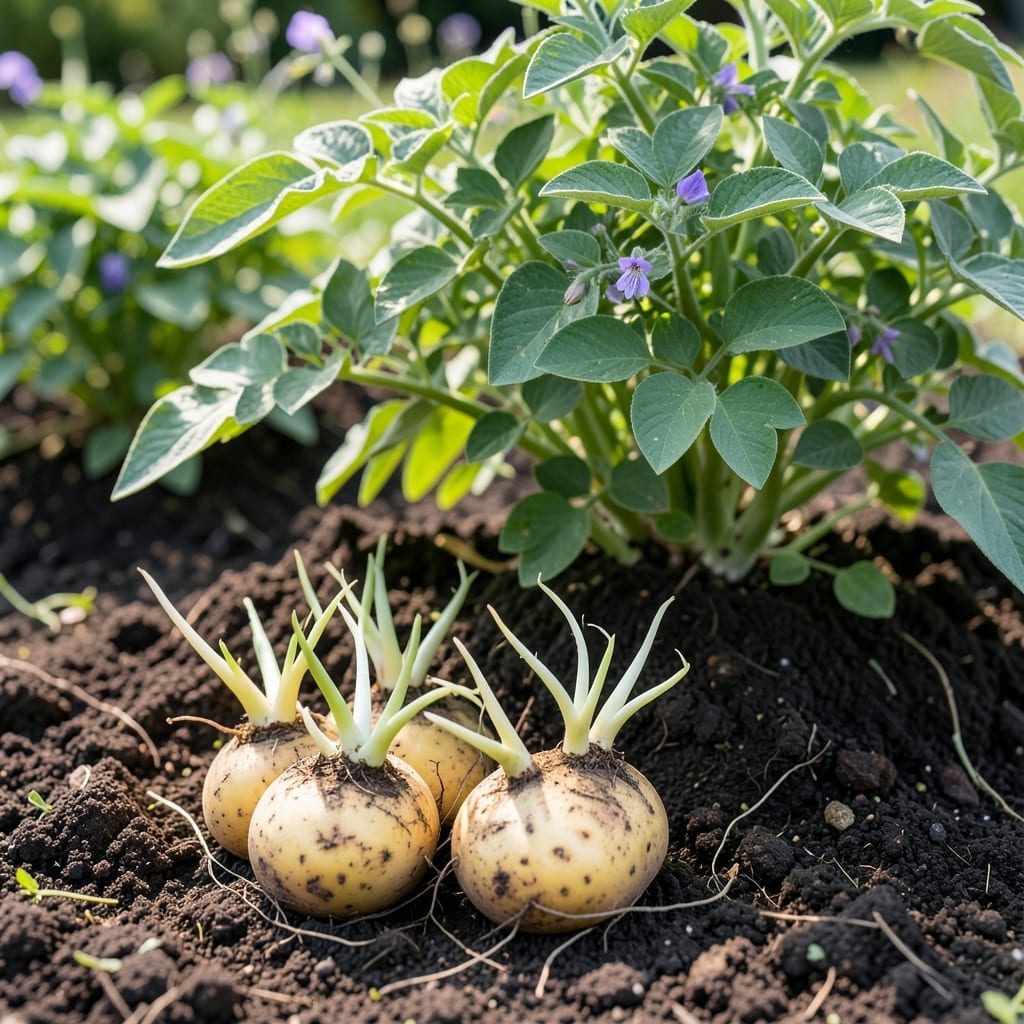
Want to harvest your 🥔 Potato crop weeks earlier? There’s a simple trick that most gardeners overlook, and it starts long before you put them in the ground.
Chitting, or pre-sprouting your seed potatoes, gives your plants a head start by encouraging strong shoots to develop before planting. This means faster growth and bigger yields when summer rolls around.
I’ve tested various methods over the years, and the right approach can cut your waiting time significantly. Whether you’re new to growing or a seasoned pro, this technique is a game-changer.
Let me walk you through exactly how to do it right—and what pitfalls to avoid for the best results with your Potato plants.
Getting your seed potatoes to sprout before planting is called chitting, and it’s one of the simplest ways to boost your harvest. This process encourages strong sprouts to form, giving your plants a head start once they’re in the soil.
I’ve found that chitting can shave 2-3 weeks off your growing time, which is especially valuable in shorter growing seasons. The key is providing the right conditions for those first green shoots to emerge.
Start by choosing firm, disease-free seed potatoes from a reputable supplier. Avoid using grocery store potatoes, as they’re often treated to prevent sprouting. Look for varieties with multiple eyes or buds, as these will produce more sprouts.
The ideal chitting environment is cool and bright. A windowsill in a 50-60°F room works perfectly. Avoid direct sunlight, which can cause the potatoes to turn green and produce solanine, a harmful compound.
An egg carton is my go-to for chitting because it keeps the potatoes stable and elevated, allowing air to circulate. You can also use a shallow tray or even a cardboard box lined with paper towels. Just ensure they’re not crowded.
Humidity is key, but too much moisture leads to rot. Lightly mist your potatoes every 2-3 days with a spray bottle. The goal is to keep them slightly damp, not soaked. If the air is dry, place a tray of water nearby.
In about 4-6 weeks, you’ll see sturdy sprouts forming. These should be short and green, not long and leggy. If the sprouts turn pale or elongated, it means they’re not getting enough light. Adjust their location accordingly.
Once your sprouts reach about 1 inch in length, they’re ready for planting. Handle them carefully to avoid breaking the delicate shoots. Plant them 2-3 weeks before your last frost date, when the soil temperature reaches at least 45°F.
Chitting isn’t just about speed—it also helps produce stronger, more vigorous plants that are better equipped to resist pests and diseases. I’ve noticed my chitted potatoes often outperform those planted without pre-sprouting.
Not all potato varieties respond equally to chitting. Some are naturally faster sprouters and will give you that early harvest you’re after. I always recommend starting with these proven performers.
Early varieties like ‘Rocket’ and ‘Swift’ are my top picks. They’re bred to mature quickly, and their sprouts appear in as little as 3-4 weeks with proper chitting conditions.
| Variety | Sprouting Speed | Best For |
|---|---|---|
| Rocket | Very Fast | Early harvests |
| Swift | Very Fast | Cool climates |
| Red Pontiac | Fast | All-purpose |
| Yukon Gold | Moderate | Reliable yields |
‘Red Pontiac’ is another excellent choice for chitting. It produces sturdy sprouts and adapts well to various soil types. For gardeners in cooler regions, ‘Swift’ is particularly reliable.
If you’re in a warmer climate, consider ‘Yukon Gold’. While it sprouts slightly slower, its consistent performance and excellent flavor make it worth the wait. Just give it an extra 1-2 weeks of chitting time.
For the fastest results, stick with early varieties. These are bred to mature in 60-90 days, and chitting helps them reach that potential. I’ve had great success with ‘Rocket’ potatoes ready to harvest in just 10 weeks from planting.
Remember that seed quality matters more than variety. Always source your potatoes from certified suppliers to ensure they’re disease-free and suitable for growing. 🌱