
Beautiful Plants For Your Interior
Beautiful Plants For Your Interior
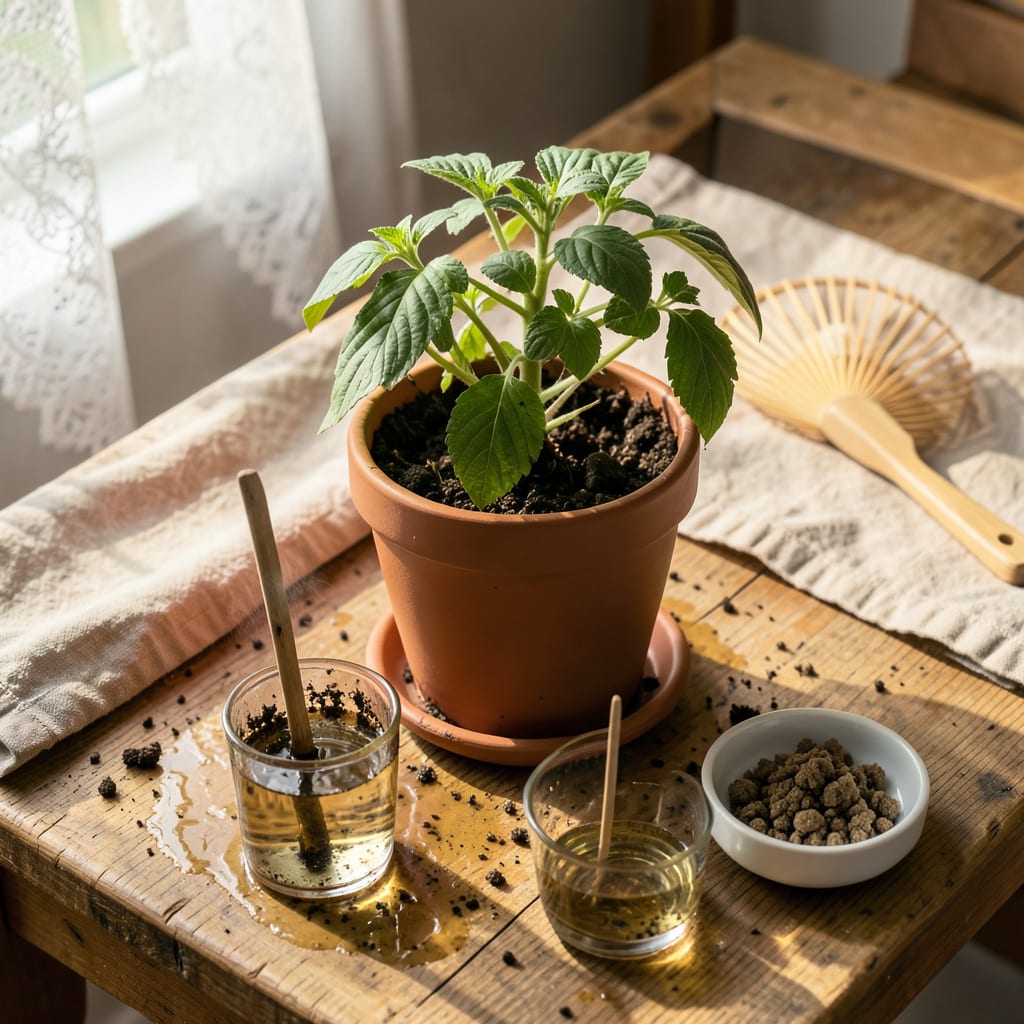
Nothing panics a gardener like soggy soil and wilting plants. I’ve rescued more drowning roots than I can count, and the key is acting fast before rot sets in. The good news? You can fix this in 24-48 hours with the right steps—no fancy equipment needed.
First, stop all watering immediately. Then we’ll focus on evaporation and drainage—simple techniques that pull moisture out of the soil while protecting your plants’ roots. You’ll see the soil lighten in color and your plants start perking up within a day. The fix is easier than you think.
📚 In This Guide
When your plants are drowning, every minute counts—here’s how to fix soggy soil before roots rot.
First, stop all watering immediately. Check the soil by pressing your finger 1-2 inches deep—if it feels cold, clammy, or releases water when squeezed, it’s overwatered. Look for wilting leaves that don’t perk up overnight, yellowing lower leaves, or a sour, musty smell from the soil.
If the pot is sitting in a saucer of water, pour it out right away. Roots can’t recover if they’re submerged. For outdoor plants, check drainage—if water pools on the surface after 30 minutes, the soil is compacted and needs urgent attention.
Move the plant to a warm, breezy spot—70-75°F is ideal. A gentle fan set on low can speed drying without damaging leaves. For potted plants, place them in full sun if they’re sun-loving (like tomatoes or succulents) or bright indirect light for shade plants (like ferns).
If the plant is outdoors, loosen the top 1 inch of soil with a fork to let air reach the roots. Don’t dig deeper—you risk harming shallow roots. For containers, tilt the pot slightly to help excess water drain from the bottom holes.
For potted plants, blot the soil surface with paper towels or a clean cloth, pressing lightly to soak up standing water. Replace the top ½ inch of soil with dry potting mix if it’s still soggy after blotting. For garden beds, sprinkle a thin layer of dry sand or compost over the area to help wick away moisture.
If the soil is severely waterlogged, slide the plant out of its pot and wrap the root ball in a dry towel for 10-15 minutes. This pulls out excess water without shocking the plant. Repot only when the roots feel firm, not mushy.
Wait until the top 1-2 inches of soil feel dry before watering again—this may take 3-7 days depending on the plant. Stick to the “soak and dry” method: water thoroughly until it drains from the bottom, then let the soil dry out between waterings.
Check drainage holes to ensure they’re not clogged. For chronic overwatering, repot into a container with more drainage holes or mix 20% perlite into the soil to improve airflow. Outdoor plants may need raised beds or amended soil to prevent future issues.
These practical insights will help you rescue your plants faster and prevent future overwatering issues.
Assessment Accuracy: In Step 1, when checking soil moisture, don’t just rely on surface dryness. The 1-2 inch depth test is crucial because surface soil dries faster while deeper layers stay soggy. I’ve found that morning is the best time to check—plants are naturally more hydrated after overnight rest, giving you a true moisture reading.
Temperature Control: The 70-75°F range mentioned in Step 2 isn’t just ideal—it’s critical. Cooler temperatures slow evaporation dramatically. If your space is cooler, use a small space heater (kept at a safe distance) or move plants to the warmest room in your home. Just avoid direct heat sources that could scorch leaves.
Root Ball Technique: For severely waterlogged plants in Step 3, that 10-15 minute towel wrap makes all the difference. Here’s what nobody tells you—use a clean, absorbent towel (like a flour sack towel) and gently squeeze the root ball while wrapped. This removes significantly more water than just letting it sit. Repot immediately after to prevent root exposure.
Long-Term Prevention: The 20% perlite recommendation in Step 4 is your best defense against future overwatering. For heavy drinkers like peace lilies or ferns, I increase this to 30%. Mix it thoroughly with your potting soil—don’t just layer it at the bottom. This creates consistent drainage throughout the root zone where it’s needed most.
Drying time depends on factors like humidity, temperature, and soil type. Typically, it takes 2–7 days with good airflow and sunlight. Speed it up by moving pots to a breezy spot or using a fan. For severe cases, repotting may be faster.
Avoid heaters or hairdryers—they can bake roots or create “hot spots” that damage plants. Instead, use gentle airflow (a fan on low) or natural sunlight. Extreme heat stresses plants and worsens root rot risk.
Yellow leaves often signal root stress or rot. First, dry the soil (as above), then trim mushy black roots with sterilized scissors. Hold off on watering until the top 1–2 inches of soil feel dry. Pro tip: Add hydrogen peroxide (1:3 water ratio) to kill rot-causing bacteria.
Yes! Try these quick fixes:
Prevent soggy soil with these habits:
