
Beautiful Plants For Your Interior
Beautiful Plants For Your Interior
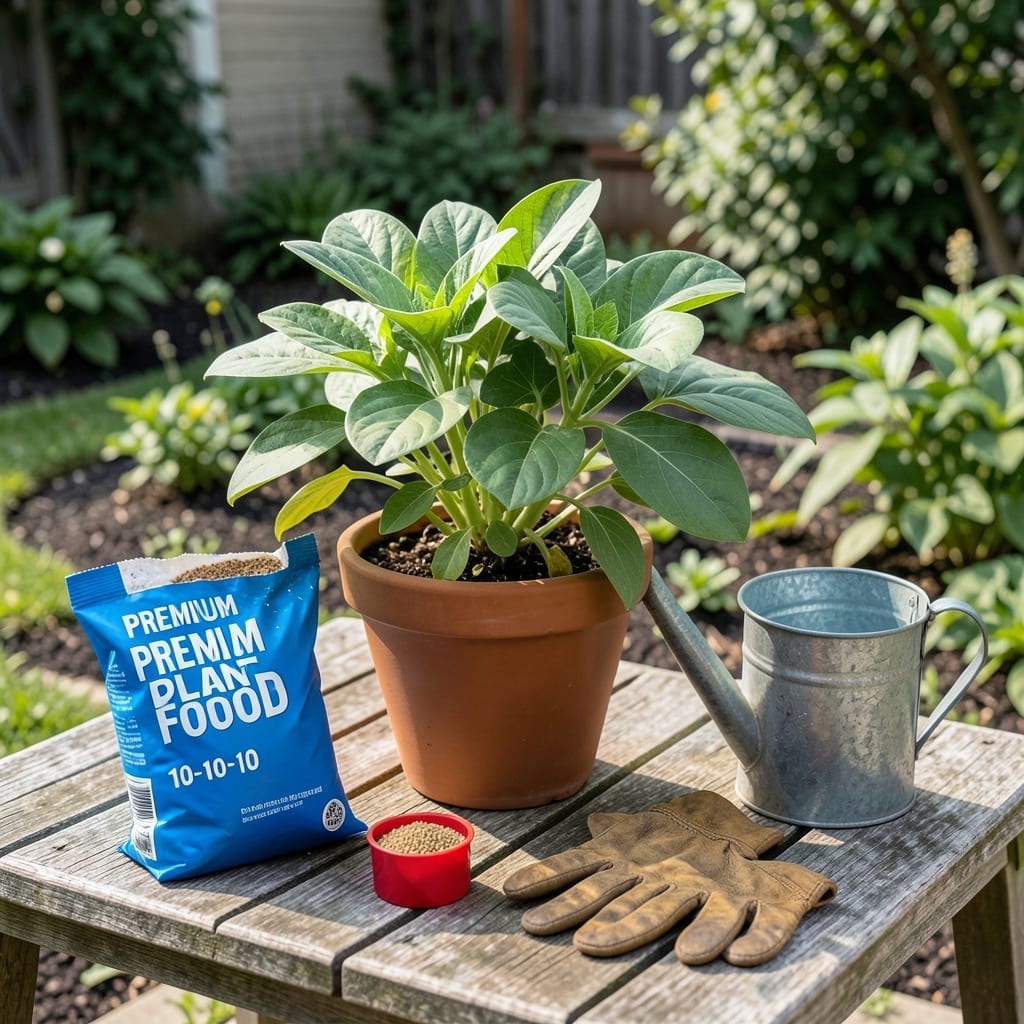
Over-fertilizing your 🌱General Plant can burn roots and stunt growth just as quickly as under-fertilizing can starve them. It’s a delicate balance that many gardeners struggle to get right.
Mastering the right fertilizer dose is the key to vibrant, healthy plants that thrive all season long. Whether you’re a beginner or seasoned gardener, nailing this step makes all the difference.
Discover how to give your plants exactly what they need without the guesswork. Let me walk you through the precise methods that work every time.
Calculating the right fertilizer dosage starts with understanding your plant’s needs and the NPK ratio on the package. I always check the label first for recommended amounts per square foot or plant.
For most vegetable gardens, a balanced 10-10-10 fertilizer works well. But I adjust based on soil tests and plant type. Leafy greens need more nitrogen, while flowering plants benefit from extra phosphorus.
I always start with half the recommended dose for new plants, as their root systems are still developing. This prevents fertilizer burn while giving them a gentle nutrient boost.
For container plants, I use liquid fertilizers every 2-4 weeks during the growing season. The confined space means nutrients get used up faster than in garden beds.
Remember that organic fertilizers like compost or worm castings release nutrients slowly. I apply these every 4-6 weeks throughout the growing season for steady feeding.
Synthetic fertilizers act quickly, so I use them for immediate needs but always follow the package instructions precisely to avoid over-application.
Seasonal changes affect dosing too. In spring, I feed heavily to support new growth. In summer, I reduce frequency but maintain consistency.
The key is observation. If I see yellowing leaves or stunted growth, I reassess my approach. Sometimes less is more with fertilizing.
With practice, you’ll develop an intuition for what your plants need and when they need it. 🌱
Even experienced gardeners sometimes over-apply fertilizer, thinking more is better. I’ve learned that excess nutrients can actually harm plants more than help them, causing root burn and stunted growth.
Another common mistake is ignoring soil tests. Without knowing your soil’s current nutrient levels, you risk adding what’s already abundant. I always test my soil before the growing season begins.
I’ve seen gardeners misread fertilizer labels, confusing the NPK ratios with application rates. Remember, the numbers represent nutrient percentages, not how much to use.
Applying fertilizer at the wrong time of day can also cause problems. I always fertilize in the early morning when temperatures are cooler, reducing the risk of burning plant tissues.
Another pitfall is using the same dose for all plants. Different species have different needs – my tomatoes need more potassium, while leafy greens prefer extra nitrogen.
Finally,
By avoiding these common mistakes, you’ll see healthier plants with stronger growth and better yields. 🌿