
Beautiful Plants For Your Interior
Beautiful Plants For Your Interior
Want to grow sunflowers year after year without buying new seeds? Learning how to collect, dry, and store sunflower seeds ensures a bountiful harvest for next season. This guide covers the best methods to save seeds from your healthiest plants.
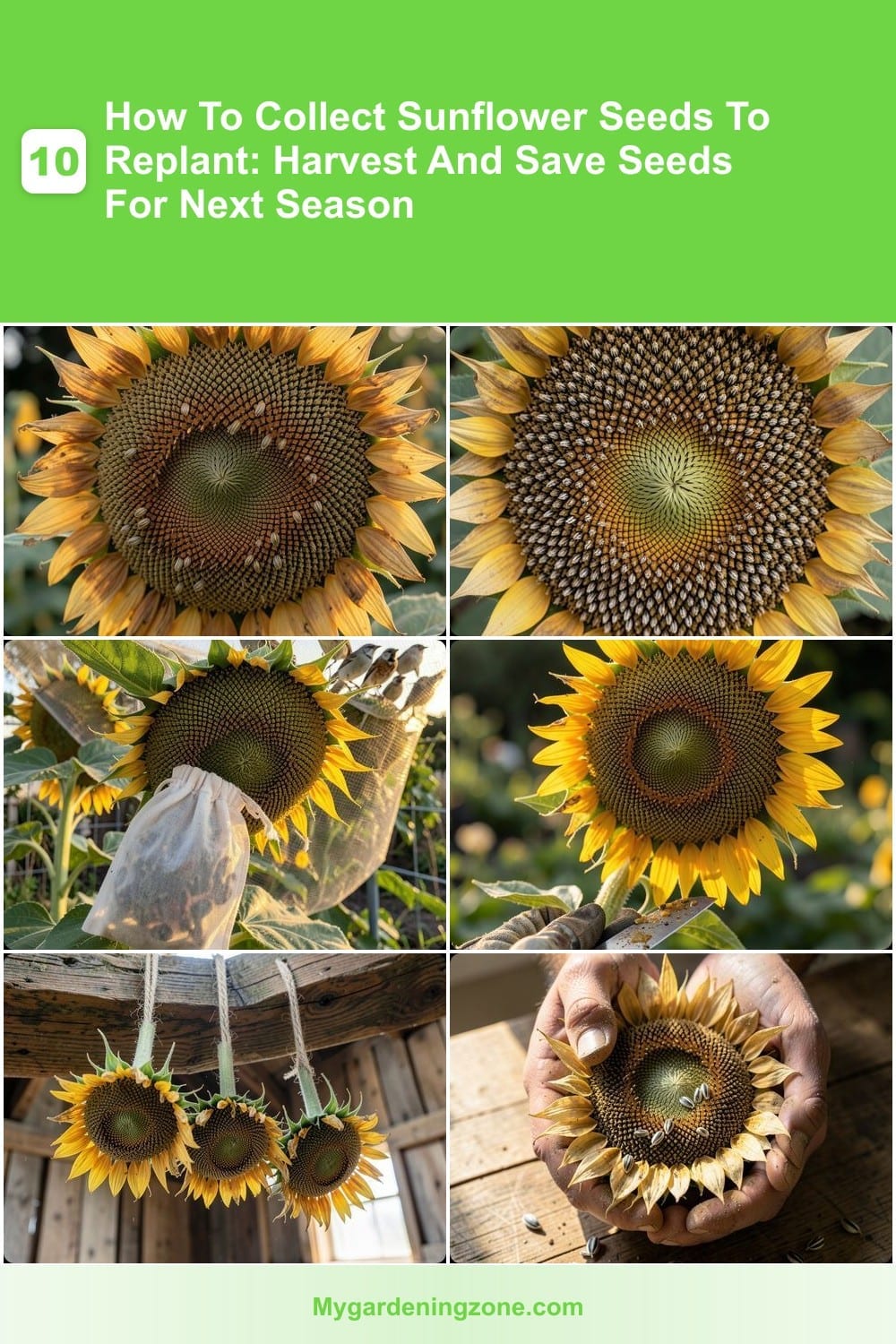
Not all sunflower heads are ready for seed saving—picking the right ones is your first step to success. Look for fully mature sunflowers with dry, brown centers where the seeds start to loosen naturally from the head.
The petals will often droop or fall off, and the back of the head turns from green to yellow or brown. This stage means the seeds inside have finished developing and are ready for harvest. Avoid heads that are still green or moist, as the seeds won’t be viable.
This method works best for gardeners who want to save seeds from their healthiest, most vibrant sunflowers for next season’s planting. 🌻
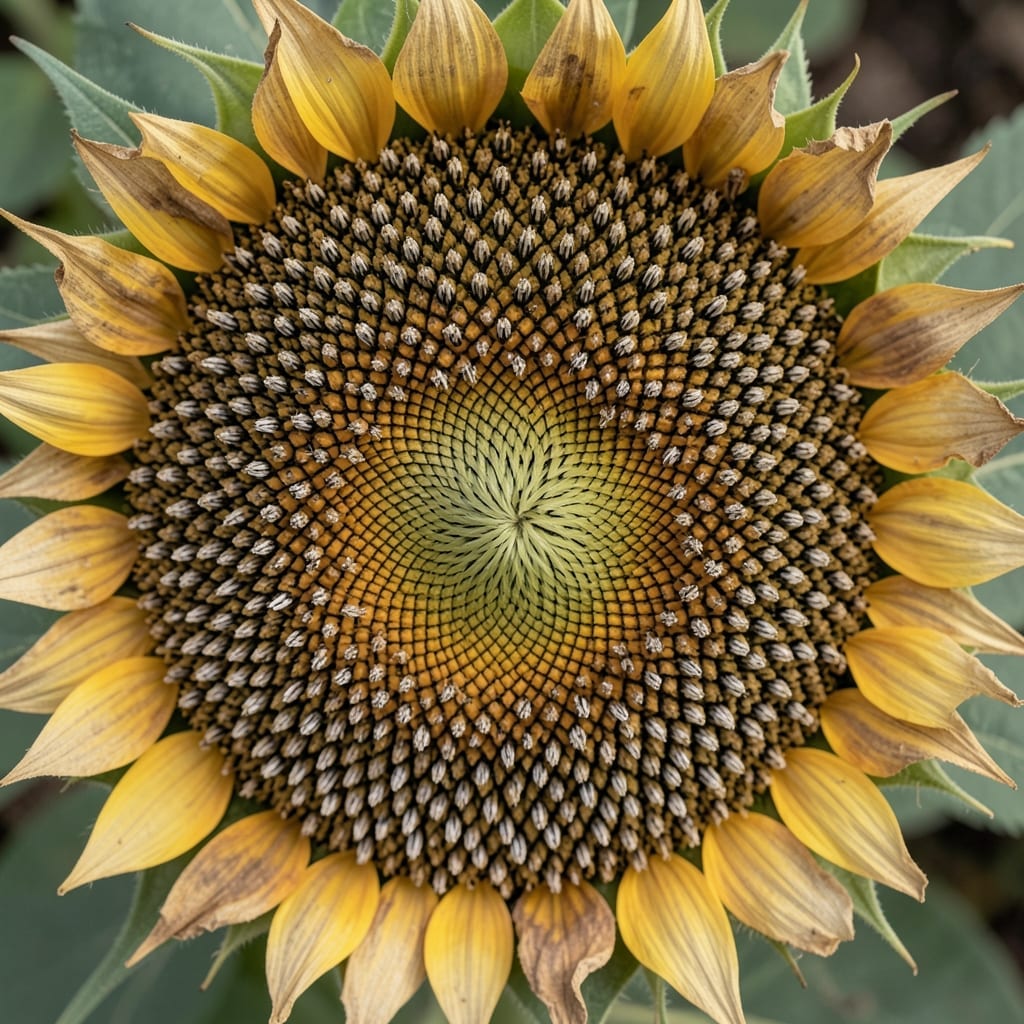
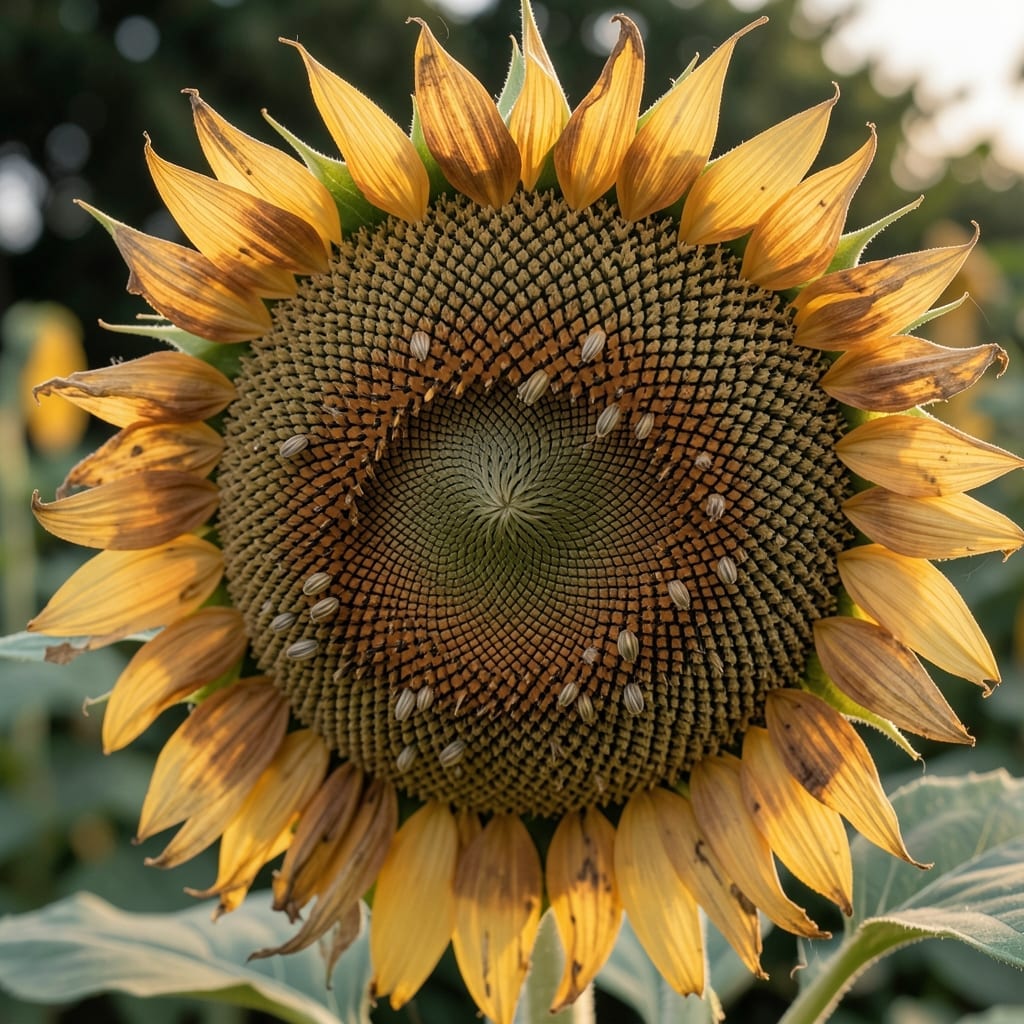
Waiting for the perfect moment to harvest makes all the difference in seed viability. The back of the sunflower head is your best indicator—when it shifts from green to yellow or brown, the seeds inside are fully mature and ready to be saved.
This color change signals that moisture levels have dropped, preventing mold during storage. If you cut too early, seeds may not germinate; too late, and they might scatter or get eaten by birds. Aim for that golden window when the head feels dry to the touch.
Perfect for gardeners who want to maximize their seed savings without guesswork. 🌻
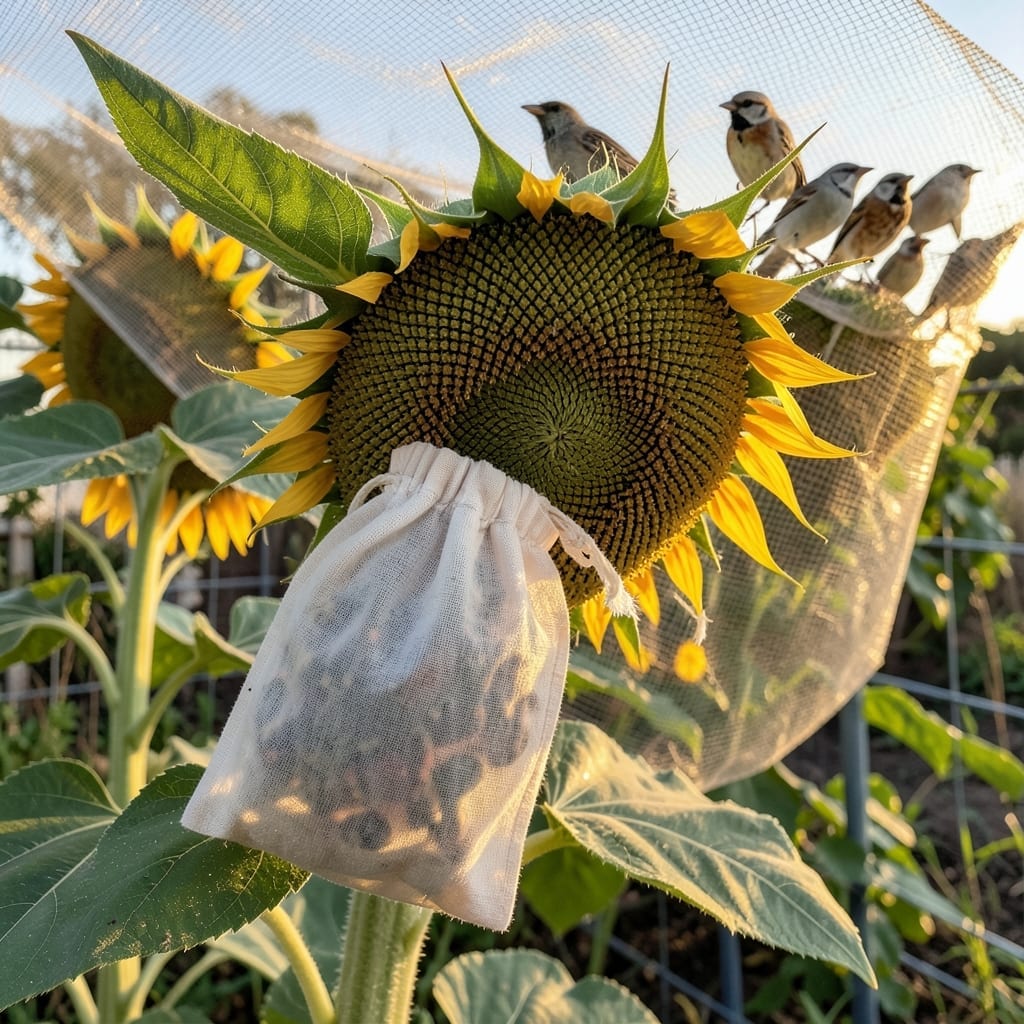
Nothing’s more frustrating than watching birds steal the seeds you’ve nurtured all season. As your sunflower heads begin to ripen, birds see them as an all-you-can-eat buffet—unless you intervene.
Cover maturing heads with breathable muslin bags or fine mesh netting, securing them tightly at the stem. This keeps birds out while allowing air circulation so seeds dry naturally. Start bagging as soon as petals begin to wilt and the back turns yellow.
This simple step saves your harvest for next season’s planting, especially for gardeners in areas with active bird populations. 🌻
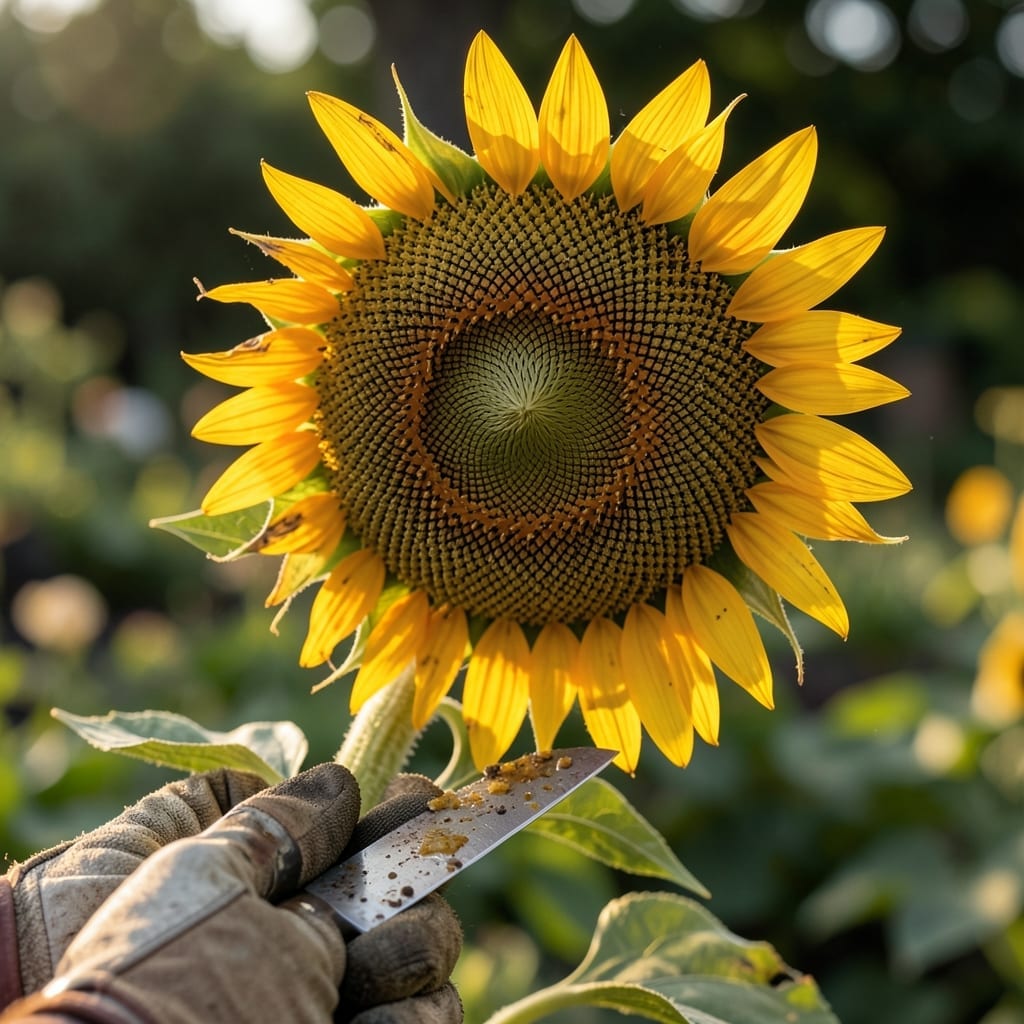
Once your sunflower heads are mature and ready, the cutting process can make or break your seed harvest. A sharp knife and the right technique ensure you don’t lose a single seed during removal.
Leave a 12-inch stem attached to each head for easy handling. This extra length gives you a firm grip while preventing seeds from spilling as you transport them to your drying area. Always cut at an angle to avoid crushing the stem.
This method is ideal for gardeners who want to efficiently collect seeds without the mess or fuss. 🌻
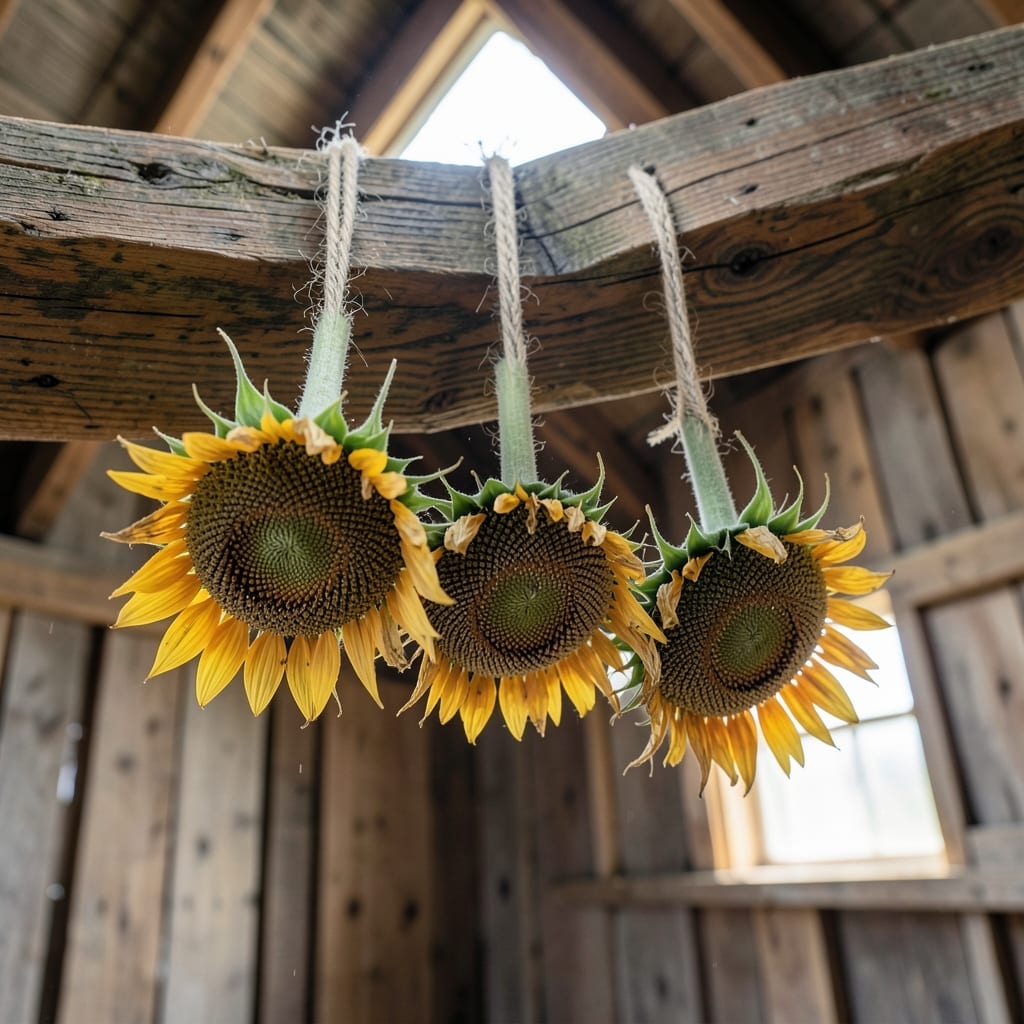
After cutting your sunflower heads, proper drying is key to preserving seed viability. Hanging them upside down in a dry, well-ventilated area prevents moisture buildup and allows seeds to mature fully off the plant.
Keep the heads suspended for 1-2 weeks until the seeds are completely dry and the back of the head feels brittle. This method ensures even air circulation, reducing the risk of mold while making seed extraction easier.
Ideal for gardeners who want to store seeds long-term with maximum germination success. 🌻
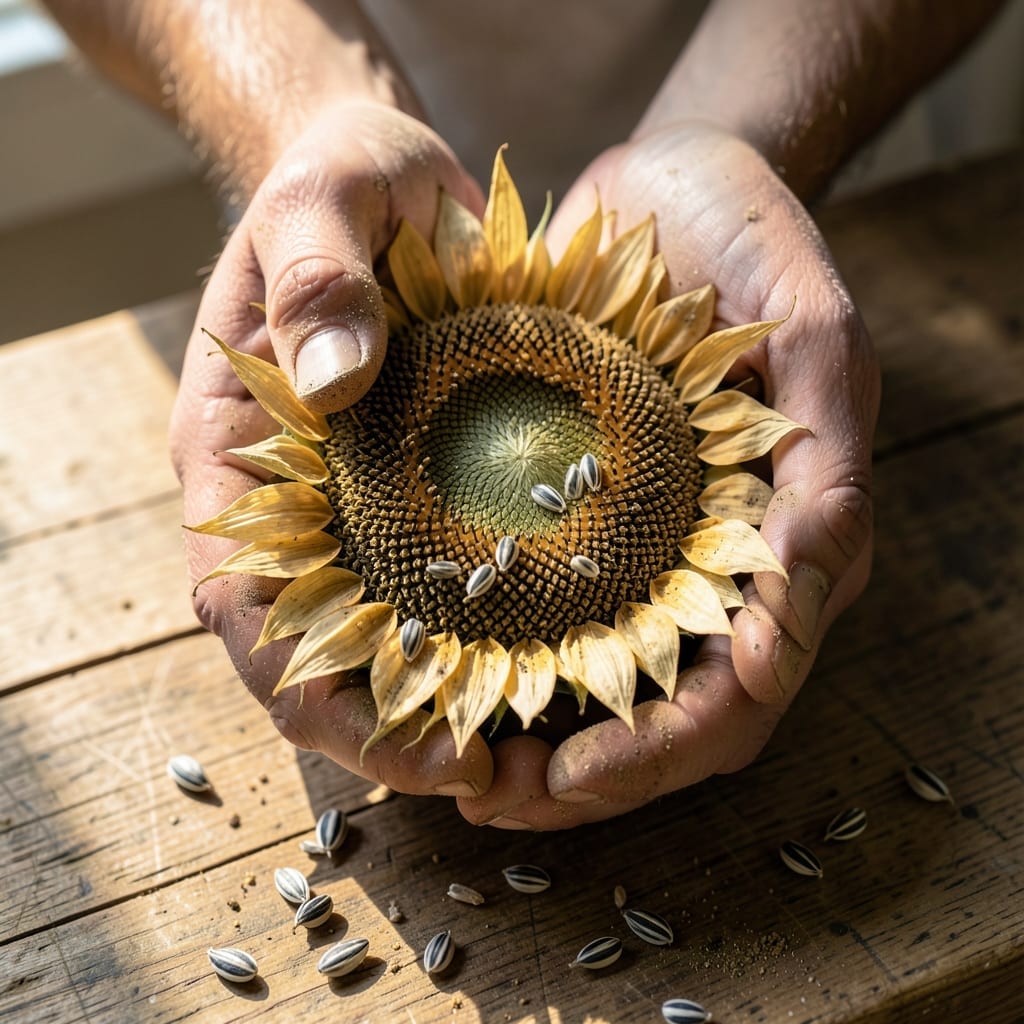
Once your sunflower heads are completely dry, the real fun begins. Hand-removing seeds is a simple, satisfying process that connects you directly to next year’s garden.
Gently rub the head between your fingers or pick seeds out one by one. The seeds should pop out easily when fully dry, while the chaff (the dry, papery bits) will separate naturally. Work over a clean bowl to catch every viable seed for storage.
This method is perfect for gardeners who enjoy the tactile process of seed saving and want to ensure every seed is handled with care. 🌻
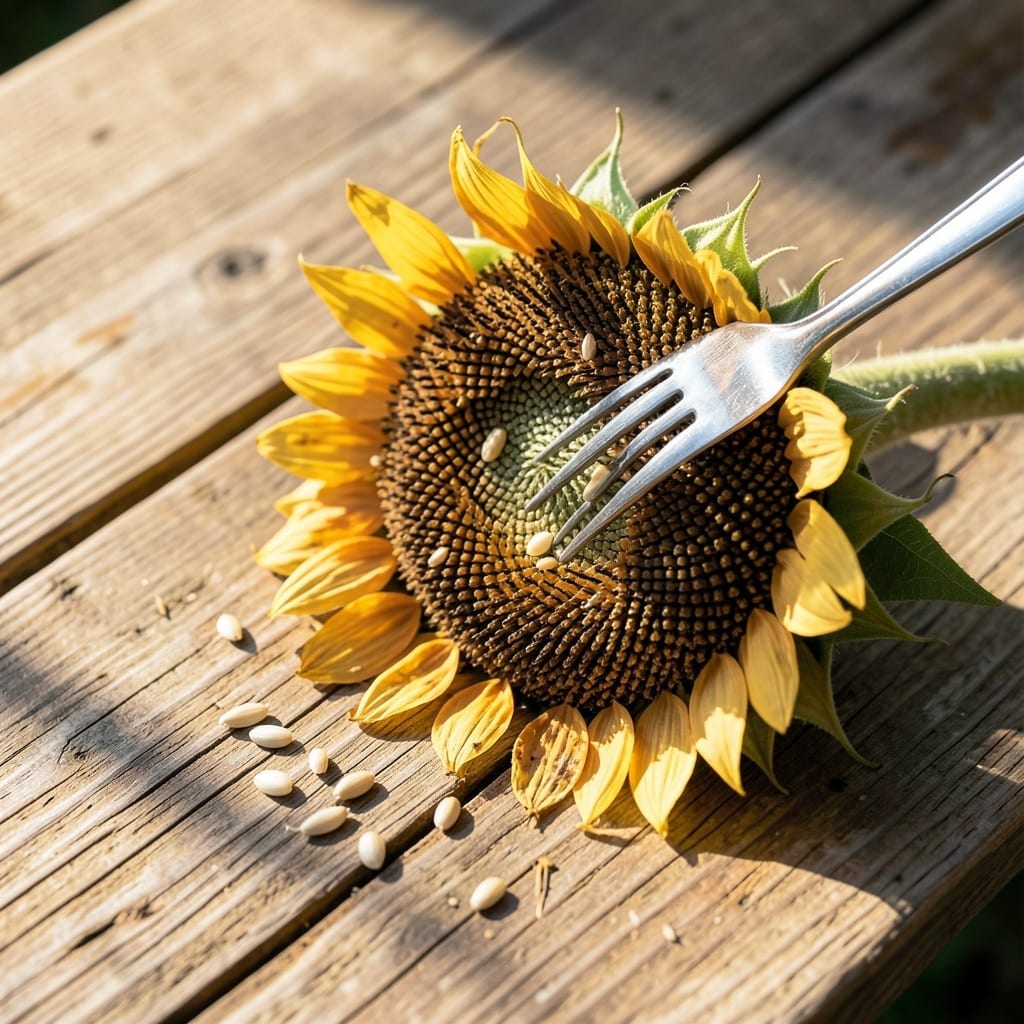
When stubborn sunflower seeds refuse to budge, a simple dinner fork becomes your secret weapon. The tines gently pry between the seeds and the head, loosening them without the risk of crushing or splitting that can happen with other tools.
Work in a circular motion around the head, applying light pressure to dislodge tightly held seeds. This method is especially helpful for large heads where hand-picking would take hours. You’ll collect more seeds in less time with minimal effort.
This technique is perfect for gardeners who want to speed up seed extraction while keeping every viable seed intact for next season’s planting. 🌻
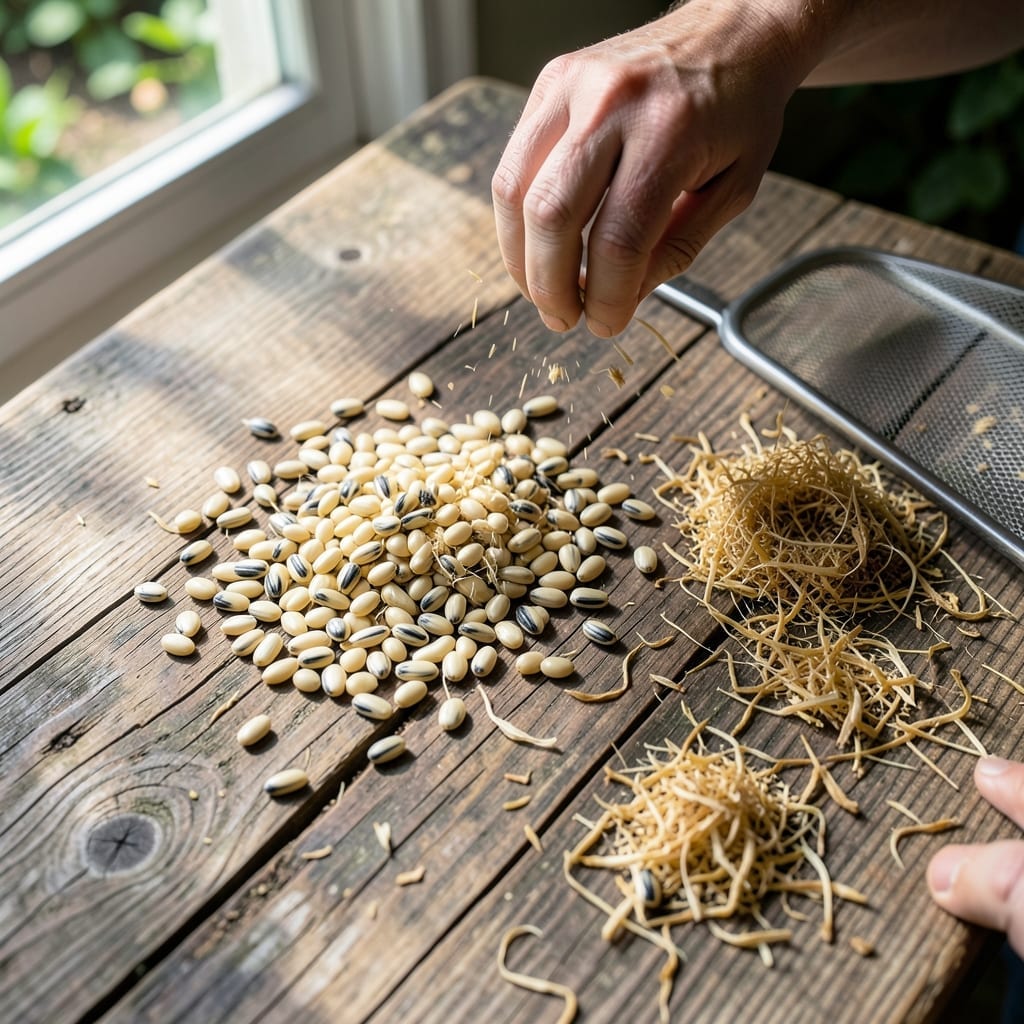
Don’t let debris or chaff compromise your seed savings. After extraction, cleaning sunflower seeds ensures only the best, most viable seeds are stored for next season’s planting.
Use winnowing (gently blowing away chaff) or sifting through a fine mesh screen to separate seeds from dry plant material. This step prevents mold and pests while improving storage life and germination rates.
Essential for gardeners who want to maximize their seed quality and avoid wasted space with non-viable material. 🌻
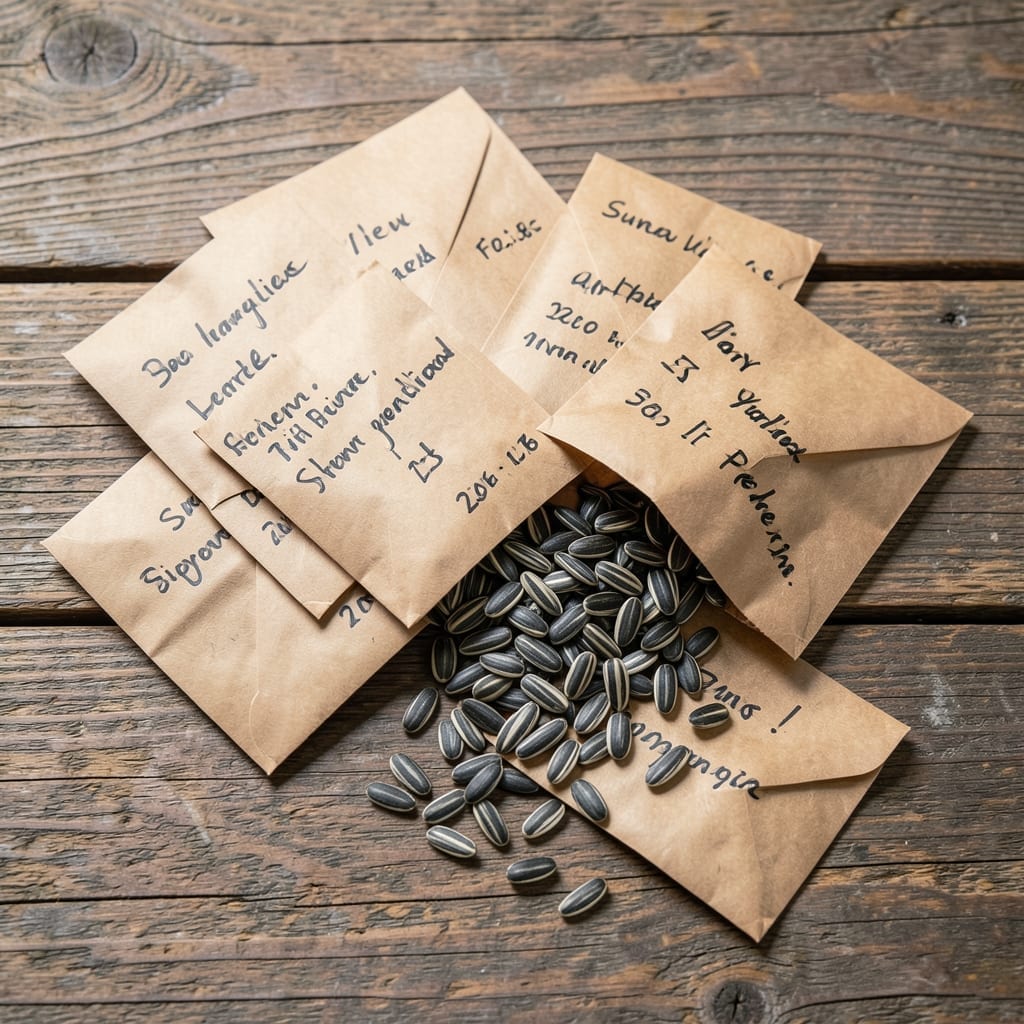
Once your sunflower seeds are clean and dry, proper storage keeps them viable for years. Paper envelopes are the perfect solution because they allow seeds to breathe, unlike airtight containers that trap moisture.
Label each envelope with the variety and date, then store in a cool, dry place like a pantry or closet. This method prevents mold and mildew while maintaining seed quality until planting season arrives.
Ideal for gardeners who want a simple, low-cost way to preserve their harvest for future growing seasons. 🌻
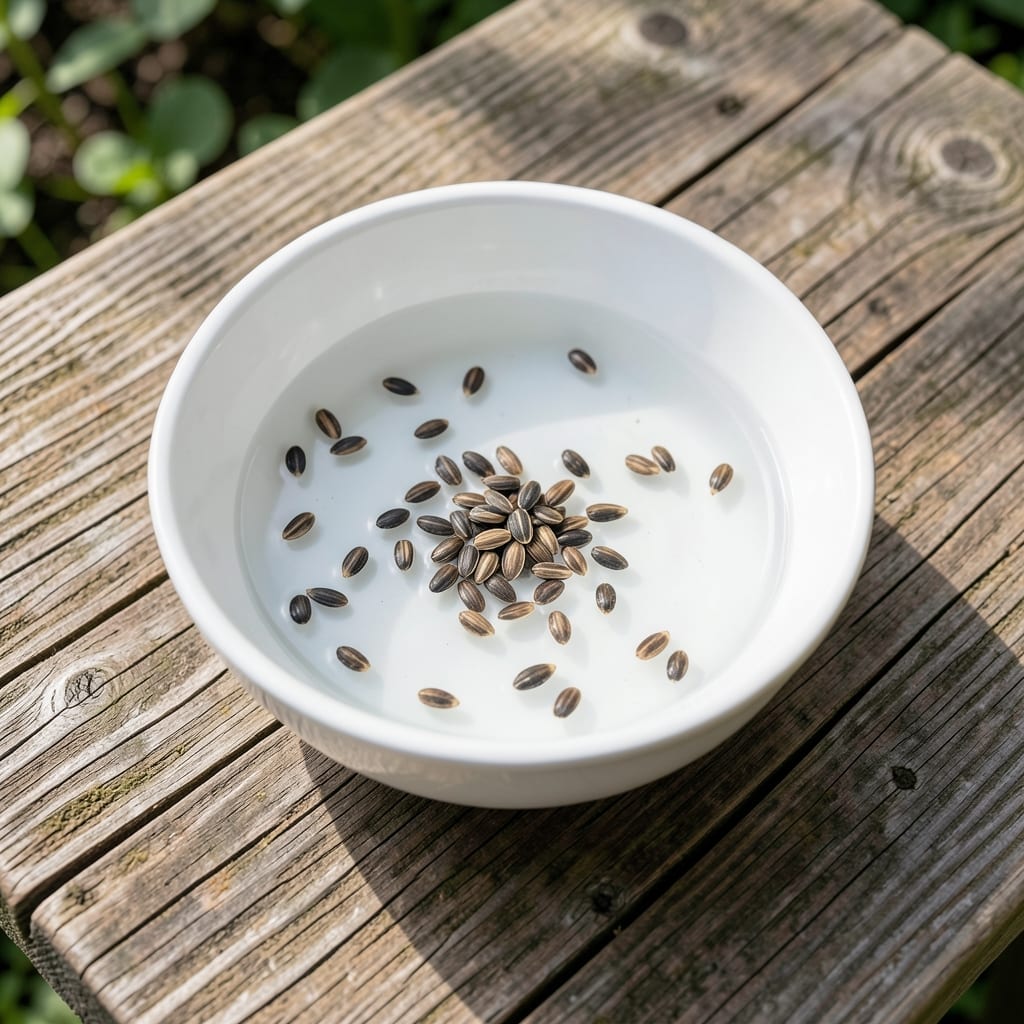
Before planting saved seeds, a quick viability test can save you from wasted effort and empty garden rows. The float test is your go-to: simply place seeds in a bowl of room-temperature water and watch what happens.
Seeds that sink to the bottom are healthy and viable, ready to germinate. Those that float likely contain air pockets or are non-viable and won’t sprout. This 5-minute test works for sunflower seeds and most other varieties, giving you confidence before sowing.
Perfect for gardeners who want to ensure every planted seed has the best chance of growing into a strong, thriving plant. 🌱