
Beautiful Plants For Your Interior
Beautiful Plants For Your Interior
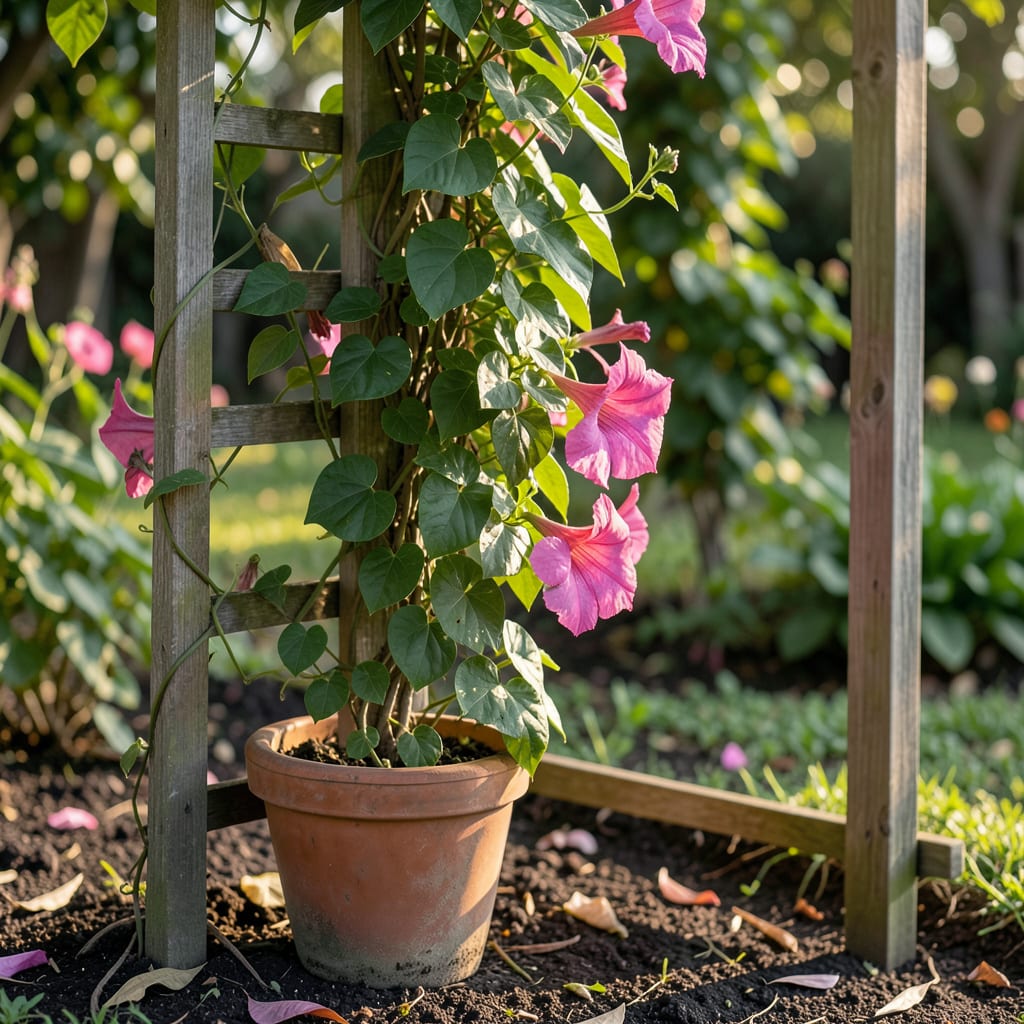
When I first planted my Mandevilla 🌺, I wondered how tall it would grow. Understanding its growth potential is crucial for proper planning and care, especially in USDA Zone 6a where I live.
Mandevilla is known for its vigorous growth, reaching heights of 6 to 15 feet under optimal conditions. Factors like soil quality, sunlight, and pruning practices all play a role in determining its maximum height, and I’ll explore these in detail to help you maximize your plant’s potential.


When growing Mandevilla, understanding the factors that influence its maximum height is crucial for optimal care. The plant’s height can range from 6 to 15 feet, depending on various conditions 🌺.
Several key factors affect Mandevilla’s growth: soil quality, sunlight exposure, watering practices, and pruning techniques. Each of these elements plays a significant role in determining the plant’s ultimate height.
The combination of these factors determines how tall Mandevilla will ultimately grow. For instance, optimal soil conditions and adequate sunlight are essential for healthy growth 🌿.
Soil quality is particularly important as it affects nutrient availability and drainage. Mandevilla thrives in well-draining soil enriched with organic matter, which supports robust root development and overall plant health 🌱.
Sunlight exposure is another critical factor. Mandevilla requires at least 6 hours of direct sunlight daily to flourish, making it ideal for south-facing locations or areas with full sun ☀️.
Proper watering practices are also vital. The plant prefers consistently moist soil but is sensitive to waterlogging. Maintaining the right balance is key to promoting healthy growth 💧.
Pruning techniques significantly influence Mandevilla’s height. Regular pruning encourages the plant to grow vertically and maintain a desired shape. It’s essential to prune during the growing season to maximize height potential ✂️.
Fertilization is another aspect that affects Mandevilla’s growth. Using a high-phosphorus fertilizer during the growing season promotes blooming and supports overall plant vigor 📈.
Providing appropriate support structures, such as trellises, allows Mandevilla to climb and reach its full height potential. This is particularly important for climbing varieties that can grow quite tall 🌳.
By understanding and managing these factors, gardeners can create optimal conditions for their Mandevilla to achieve its maximum height. This not only enhances the plant’s aesthetic appeal but also promotes its overall health and vitality 🌸.
In summary, Mandevilla’s height is influenced by a combination of soil quality, sunlight, watering, pruning, fertilization, and support. By focusing on these key areas, gardeners can help their Mandevilla reach its full potential and enjoy a stunning display of growth and blooms 🌺.
To maximize Mandevilla’s height potential, it’s essential to employ proper training techniques. This includes pruning methods, support systems, and fertilization strategies that encourage vertical growth 🌿.
Pruning is a critical aspect of Mandevilla care that directly impacts its height. By pruning regularly, you can control the plant’s shape and encourage it to grow upwards rather than outwards ✂️.
Remove dead or damaged stems to promote healthy growth
Use trellises or arbors to guide vertical growth
Apply high-phosphorus fertilizer during the growing season
Implementing these training techniques can significantly enhance Mandevilla’s vertical growth. Regular pruning helps maintain the plant’s shape and promotes upward growth 📈.
Using support systems like trellises or arbors is crucial for climbing varieties. This allows the plant to climb and reach its full height potential 🌳.
Fertilization plays a vital role in supporting Mandevilla’s growth. A high-phosphorus fertilizer promotes blooming and overall plant health, contributing to maximum height 📊.
By combining these techniques, gardeners can create an optimal environment for their Mandevilla to thrive and reach its maximum height 🌺.
Regular monitoring and adjustment of these training methods are necessary to ensure the plant continues to grow healthily and vertically 🔍.
With proper care and training, Mandevilla can achieve impressive heights, making it a stunning addition to any garden or patio 🌸.
In conclusion, training Mandevilla through pruning, support, and fertilization is key to maximizing its height potential. By following these steps, gardeners can enjoy a vigorous and beautiful display of growth 🌻.
When considering Mandevilla for your garden or patio, understanding the different types and their expected heights is essential for proper planning 🌺.
Mandevilla comes in various forms, including compact and climbing varieties, each with unique growth habits and height potentials. Knowing these differences helps gardeners choose the right type for their space and care for it effectively 🌿.
The height of Mandevilla varies significantly between different types. Compact varieties typically grow between 3 to 6 feet tall, making them suitable for containers or smaller garden spaces 🌻.
Climbing varieties, on the other hand, can reach heights of 6 to 15 feet or more when provided with appropriate support. These are ideal for gardeners looking to create vertical interest or cover large areas 🌳.
Semi-dwarf varieties offer a middle ground, growing to heights of 6 to 8 feet. They provide a balance between compact growth and the ability to train on supports 🌿.
Understanding these height variations is crucial for selecting the right Mandevilla type for your specific gardening needs and space constraints 📏.
By choosing the appropriate variety and providing the right conditions, gardeners can enjoy the beautiful blooms and vigorous growth that Mandevilla is known for 🌸.
In summary, Mandevilla’s height potential ranges widely across different types, from compact varieties to vigorous climbers. Selecting the right type based on expected height and growth habit ensures a successful and satisfying gardening experience 🌺.
Mandevilla plants can grow between 6 to 15 feet tall, depending on the variety and growing conditions. Some compact varieties reach 3-6 feet, while climbing types can exceed 10 feet. Proper care and support help maximize their height potential .
To promote vertical growth, provide your Mandevilla with a trellis or other support structure. Regular pruning during the growing season encourages upward growth, while a high-phosphorus fertilizer supports overall plant health and vigor .
Mandevilla is a vigorous grower during its active growing season, typically from spring to fall. Growth slows down significantly during winter months when the plant is dormant. In warmer climates, it may continue to grow year-round, but generally requires protection during frost .
Yes, regular pruning is an effective way to control Mandevilla’s height and shape. Prune in early spring to remove dead or damaged stems and encourage new growth. This helps maintain a desired height while promoting healthy development .
