
Beautiful Plants For Your Interior
Beautiful Plants For Your Interior
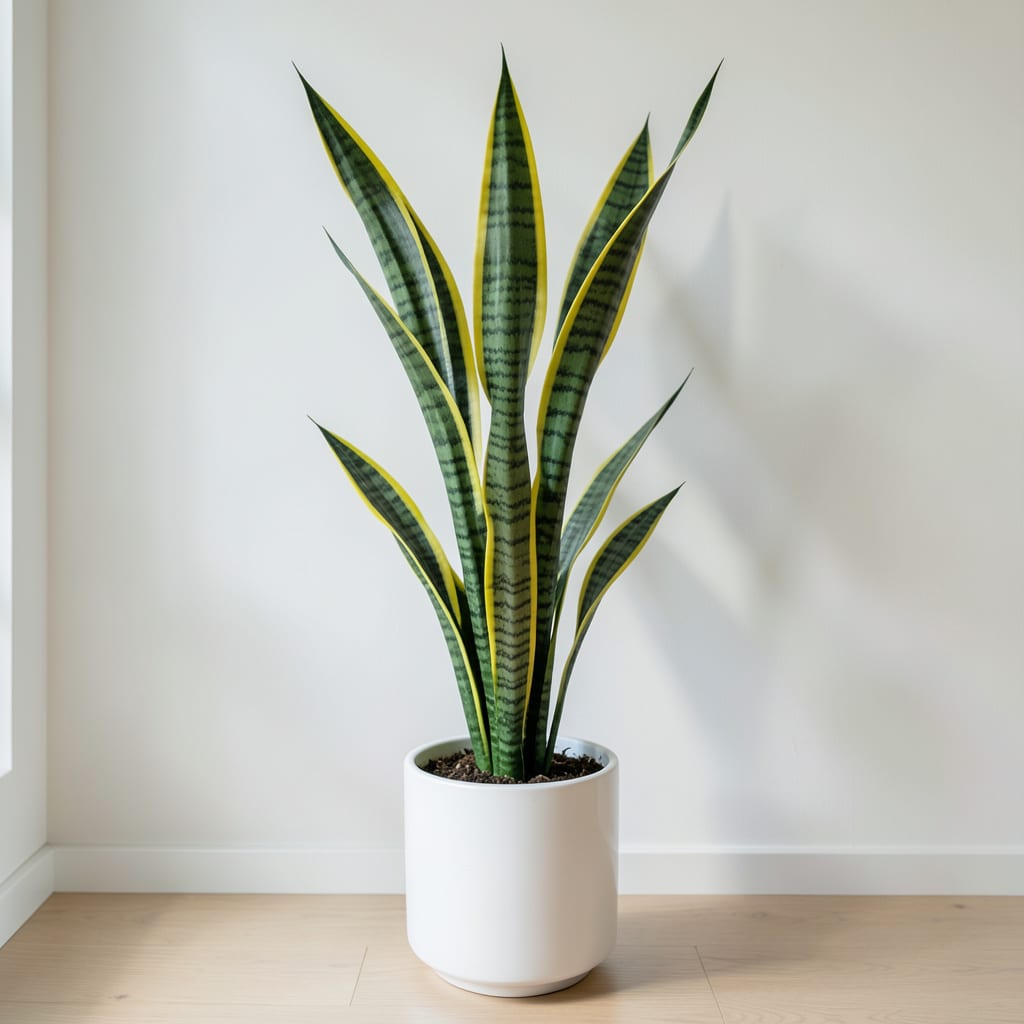
I’ve always been fascinated by the versatility of snake plants 🪴, particularly their ability to thrive in various conditions. Whether you’re a seasoned gardener or just starting out, understanding how tall your snake plant will grow can help you plan your indoor space.
Snake plants can grow anywhere from 1 to 4 feet tall, depending on factors like lighting and care. Let’s explore what affects their height and how you can encourage your plant to reach its full potential.

I’ve found that several key factors influence how tall a snake plant will grow. The most critical elements include lighting conditions, watering practices, and soil quality. Let’s explore each of these factors in detail to understand their impact on snake plant height 🌿.
Lighting is perhaps the most significant factor affecting snake plant growth. These plants can thrive in low-light conditions, but they’ll grow taller and stronger in bright, indirect light. The amount of light directly correlates with the plant’s ability to undergo photosynthesis, which is essential for growth 🌱.
The watering practices you adopt can significantly affect your snake plant’s height. Overwatering is a common mistake that can lead to root rot, ultimately stunting the plant’s growth. On the other hand, underwatering may slow down the plant’s development, but snake plants are generally more tolerant of dry conditions 💧.
Soil quality is another crucial element. Using a well-draining potting mix prevents waterlogged soil, which can impede root health and, consequently, the plant’s overall growth. A balanced fertilizer can also provide necessary nutrients for optimal development 🌿.
Maintaining a consistent temperature between 65°F to 75°F (18°C to 24°C) creates an ideal environment for snake plants to grow. Avoid placing them near drafty windows or heating vents to prevent stress 🌡️.
While snake plants don’t require frequent fertilization, a light feeding during the growing season (spring and summer) can promote healthier growth. Use a balanced, water-soluble fertilizer at half the recommended strength to avoid burning the roots 📦.
By understanding and optimizing these factors, you can create an environment that supports your snake plant’s growth and helps it reach its maximum height potential 🔝.
Regular monitoring of your plant’s condition and adjusting care practices accordingly is essential. This proactive approach ensures your snake plant remains healthy and continues to grow steadily 🌱.
It’s worth noting that different snake plant varieties have varying growth habits and maximum heights. Understanding the specific needs and characteristics of your plant can help you tailor your care routine for optimal results 📚.
In summary, the height of a snake plant is influenced by a combination of factors including lighting, watering, soil quality, temperature, and fertilization. By optimizing these elements, you can encourage your snake plant to grow tall and strong 🌟.
For those looking to maximize their snake plant’s height, focusing on providing the right conditions is key. This includes ensuring appropriate light exposure, maintaining proper watering habits, and using suitable soil 🌱.
I’ve found that different snake plant varieties have distinct growth habits and maximum heights. Understanding these differences is crucial for gardeners looking to optimize their plant’s growth 🌿.
The most common varieties include Laurentii, Cylindrica, and Moonshine, each with unique characteristics that affect their height 🌻.
The Laurentii variety is known for its striking yellow edges and can grow up to 2-3 feet tall. It has an upright growth habit, making it a popular choice for indoor gardens 🌟.
Cylindrica snake plants are recognized by their cylindrical leaves and can reach heights of 2-4 feet. They have a columnar growth habit, adding a unique architectural element to any space 🌿.
Moonshine snake plants have silver-gray leaves and tend to be more compact, growing up to 1-2 feet tall. Their compact growth makes them ideal for smaller spaces or decorative pots 🏠.
When choosing a snake plant variety, consider the space available and the desired height. This will help you select the most appropriate variety for your needs 📚.
Understanding the growth habits and maximum heights of different snake plant varieties allows you to make informed decisions about plant care and placement 🏡.
To help your snake plant reach its maximum height potential, I’ve found that several key care practices make a significant difference. First, it’s essential to understand that snake plants are naturally adaptable, but they still require specific conditions to thrive 🌿.
Rotate your snake plant regularly to maintain even growth and prevent leaning 🔄.
One of the most critical factors in maximizing your snake plant’s height is providing the right amount of light. While they can tolerate low light, bright, indirect light encourages taller growth and healthier leaves 🌻.
Proper watering is also crucial. Overwatering can lead to root rot, stunting the plant’s growth, while underwatering may slow development. I recommend checking the soil moisture by inserting your finger into the soil up to the first knuckle. If the soil feels dry, it’s time to water 💧.
The quality of the soil plays a significant role in your snake plant’s growth. Using a well-draining potting mix helps prevent waterlogged soil, which can impede root health and overall growth. A mix specifically designed for indoor plants or cacti works well 🌱.
Fertilization can also support your snake plant’s growth, although it’s not necessary. During the growing season (spring and summer), a light feeding with a balanced, water-soluble fertilizer can promote healthier growth. Dilute the fertilizer to half the recommended strength to avoid burning the roots 📦.
Finally, pruning can help maintain your snake plant’s height and encourage new growth. Remove any dead or damaged leaves to keep the plant looking its best and prevent the spread of disease ✂️.
By following these tips and providing your snake plant with the right conditions, you can help it reach its full height potential and enjoy a thriving, healthy plant 🌟.
Regular monitoring and adjusting your care routine as needed will ensure your snake plant continues to grow strong and tall 🌱.
Snake plants typically grow between 2-4 feet tall when mature, with some varieties reaching heights of up to 4 feet under optimal conditions. The height can vary depending on factors like lighting and care. Proper care can help them reach their maximum height potential.
Snake plants are known for their slow to moderate growth rate. On average, they can grow about 1-2 feet in the first year, with the growth rate slowing down as they mature. Factors like light exposure and watering practices can influence their growth speed. Regular monitoring can help optimize their growth.
Yes, pruning can help maintain the height and shape of your snake plant. Removing dead or damaged leaves and cutting back tall stalks can encourage new growth and keep the plant looking its best. Prune carefully to avoid stressing the plant.
Yes, different snake plant varieties have varying growth habits and maximum heights. For example, the Cylindrica variety can grow up to 2-4 feet tall, while the Moonshine variety tends to be more compact, growing up to 1-2 feet tall. Choosing the right variety can help you achieve your desired plant height.
