
Beautiful Plants For Your Interior
Beautiful Plants For Your Interior
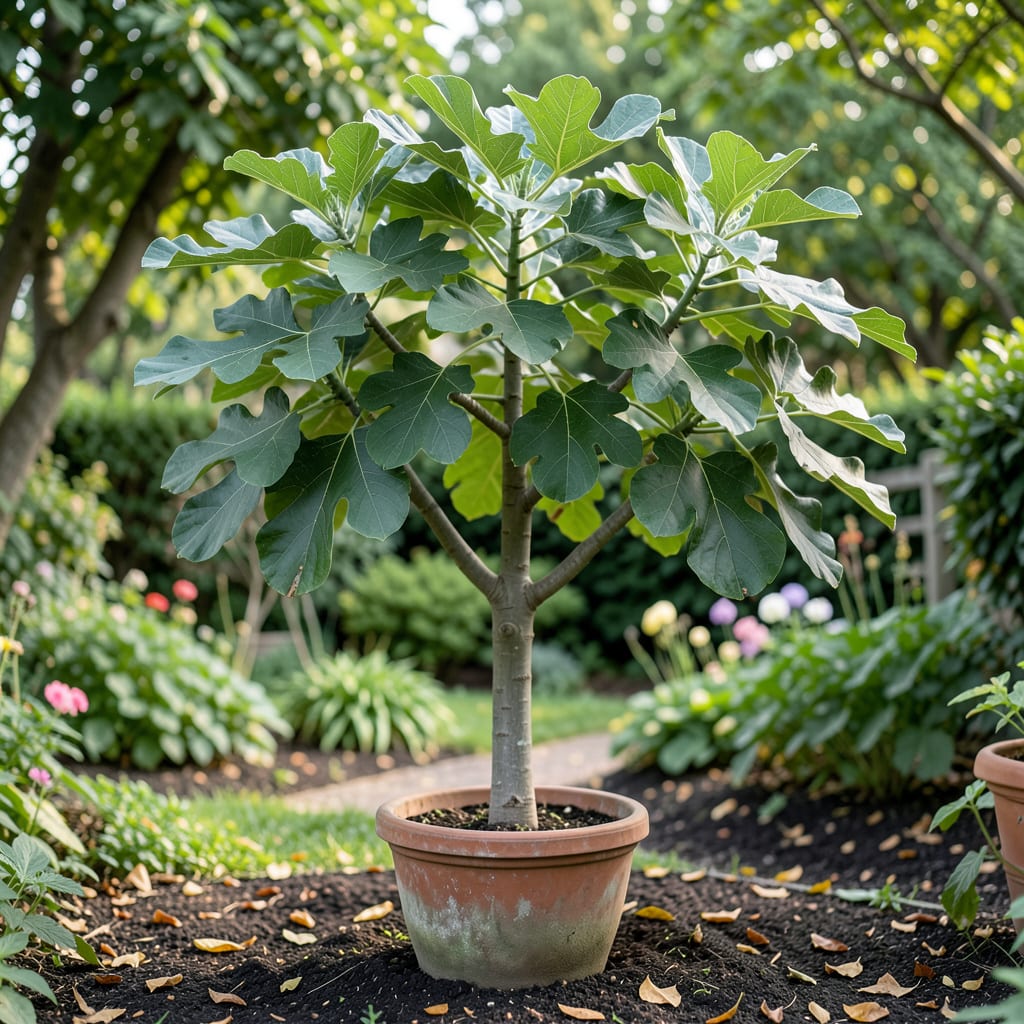
When I first planted my Fig Tree 🌳, I wondered how tall it would eventually grow. Understanding the growth potential of your Fig Tree is crucial for proper planning and care, especially in USDA Zone 6a where I live.
Fig Trees can grow to varying heights depending on factors like variety and growing conditions. Let’s explore what you can expect and how to manage your tree’s size effectively to make the most of your garden space.

When I consider how tall a fig tree will grow, I need to understand the various factors that influence its height. The variety of the fig tree is a significant factor, as different types have different growth potentials.
For example, dwarf varieties typically grow between 8-12 feet tall, while standard varieties can reach heights of 20-30 feet. Climate and soil quality also play crucial roles in determining the mature height of a fig tree 🌳.
I find that understanding these factors helps me make informed decisions about planting and caring for my fig tree. The climate is particularly important, as fig trees prefer warmer temperatures and full sun to grow well.
Soil quality is another critical factor, as fig trees need well-draining soil with adequate nutrients to thrive. Regular pruning is also essential for controlling the height of the tree and promoting healthy fruiting.
By considering these factors, I can better manage my fig tree’s growth and ensure it reaches its full potential. Whether I’m growing a dwarf variety or a standard variety, understanding these factors is key to successful cultivation.
The growth rate of a fig tree can vary depending on the conditions it’s growing in. In general, fig trees can grow 1-3 feet per year during their early years, slowing down as they mature.
To optimize growth, I ensure my fig tree receives full sun and is planted in well-draining soil. Regular fertilization during the growing season also supports healthy growth and fruit production.
By providing optimal growing conditions and regular care, I can help my fig tree reach its maximum height potential. This not only enhances the tree’s productivity but also its overall health and appearance 🌿.
In conclusion, the height of a fig tree is influenced by a combination of factors including variety, climate, soil quality, and pruning practices. By understanding and managing these factors, I can ensure my fig tree grows to its full potential and remains healthy and productive.
When it comes to fig trees, understanding the potential height of different varieties is crucial for garden planning. The height of a fig tree can vary significantly depending on the specific cultivar 🌳.
Different fig tree varieties have distinct growth habits and mature heights. Let’s explore some common types and their expected heights to help you choose the right one for your garden 📏.
The dwarf varieties like ‘Brown Turkey’ and ‘Black Jack’ are popular choices for smaller gardens or container growing. They typically reach heights of 8-10 feet, making them more manageable for limited spaces 🌿.
Semi-dwarf varieties offer a middle ground, growing to be around 12-18 feet tall. These trees provide a good balance between size and fruit production, making them suitable for a wide range of garden sizes 🌻.
Standard varieties are the largest, often reaching heights of 15-30 feet or more. These trees can become quite substantial and are best suited for larger gardens where they have ample space to grow 🌳.
Understanding these height variations is essential for planning your garden layout and ensuring that your fig tree has enough space to mature without becoming too crowded or overshadowing other plants 🏠.
When selecting a fig tree variety, consider not only the mature height but also the tree’s growth habit. Some fig trees have a more upright growth pattern, while others may be more spreading or bushy. This information can help you plan for the tree’s eventual size and shape 🌲.
For gardeners with limited space, container growing can be an effective way to control the size of a fig tree. Regular pruning and root management can keep the tree smaller while still allowing for fruit production 📦.
It’s also worth noting that fig trees can be pruned to maintain a desired height. Regular pruning not only controls the tree’s size but also promotes healthy growth and fruiting ✂️.
When it comes to managing the size of a fig tree, I find that pruning and training are essential techniques. Pruning helps control the tree’s height and promotes healthy growth, while training shapes the tree to a desired form 🌳.
To effectively prune a fig tree, I start by removing any dead or damaged branches. This not only improves the tree’s appearance but also prevents disease from spreading. I then thin out the center of the tree to allow more light penetration and air circulation, which helps reduce the risk of disease 🔪.
Cut off any branches that are dead, diseased, or damaged to prevent disease spread and improve appearance.
Selectively remove branches from the center to improve light penetration and air circulation.
Prune branches to maintain a desired shape or height, promoting a balanced structure.
In addition to pruning, training the fig tree is crucial for maintaining its size and shape. I use techniques like espaliering or pruning to a central leader to guide the tree’s growth. These methods help create a more compact and manageable tree that’s easier to care for 🌿.
By combining regular pruning with effective training techniques, I can keep my fig tree at a manageable size while promoting healthy growth and fruit production. This approach ensures that my tree remains productive and visually appealing for years to come 🌸.
It’s also worth noting that container growing can be an effective way to control the size of a fig tree. By growing the tree in a container, I can restrict its root growth, which helps keep the tree smaller 📦.
Overall, managing the size of a fig tree requires a combination of pruning, training, and sometimes container growing. By using these techniques, I can enjoy a healthy and productive fig tree that fits well within my garden space 🌳.
Fig trees can grow 1-3 feet per year during their early years, slowing down as they mature. Factors like climate, soil quality, and pruning practices influence their growth rate .
Yes, you can control the height of your fig tree through regular pruning and training techniques like espaliering. Container growing can also help restrict the tree’s size .
Dwarf varieties typically grow 8-12 feet tall, while standard varieties can reach 20-30 feet. Semi-dwarf varieties fall in between, growing 12-18 feet tall .
Yes, proper pruning can promote healthy fruiting by allowing more light penetration and air circulation. It also helps maintain a balanced tree structure, supporting fruit production .
