
Beautiful Plants For Your Interior
Beautiful Plants For Your Interior
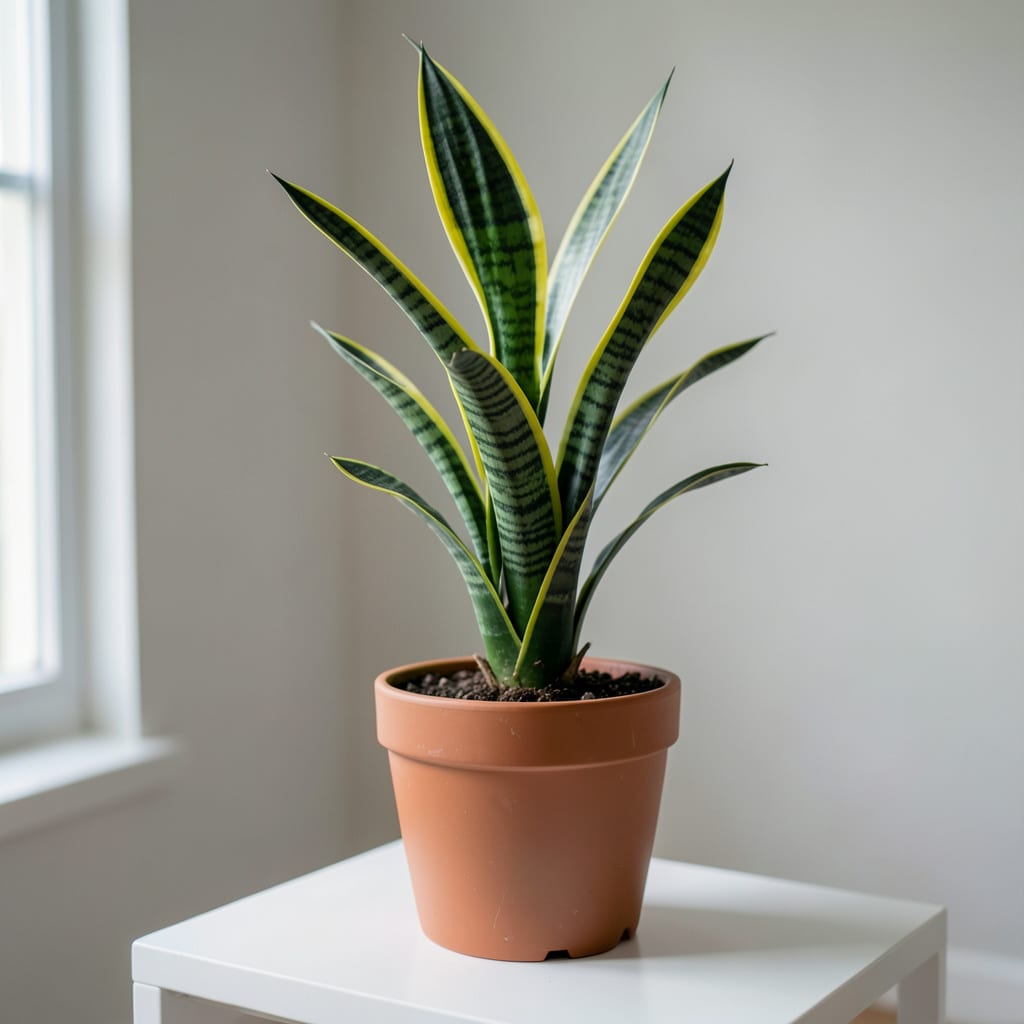
I’ve always been fascinated by how tall snake plants 🪴 can grow, and I’ve discovered that with proper care, they can reach impressive heights. Whether you’re a seasoned gardener or just starting out, understanding the growth potential of these versatile plants can help you make the most of your indoor space.
In USDA zone 6a, snake plants can thrive with minimal maintenance, reaching heights of 1-4 feet depending on the variety and growing conditions. Let’s explore what influences their growth and how you can encourage your snake plant to reach its full potential.

I’ve found that several key factors influence how tall snake plants can grow. Understanding these elements is crucial for optimizing their height potential. The main factors include lighting conditions, watering practices, soil quality, and pot size. Each of these plays a significant role in determining the overall health and height of the plant 🌿.
To better understand these factors, let’s examine them in detail. Proper care and environmental conditions can significantly impact the growth of snake plants. By adjusting these factors, you can encourage your snake plant to reach its maximum height potential 🌱.
Lighting conditions are particularly crucial for snake plants. While they can survive in low light, bright, indirect light encourages more vigorous growth and can lead to taller plants. It’s essential to place your snake plant in a location that receives appropriate light for its needs 🌞.
Watering practices also significantly affect snake plant height. Overwatering is a common mistake that can lead to root rot, stunting the plant’s growth. Conversely, underwatering can slow down growth, but snake plants are generally more forgiving of dry conditions. Ensuring the right balance is vital for maximizing height 🌿.
The quality of the soil is another critical factor. Snake plants thrive in well-draining soil that prevents water from accumulating around the roots. This type of soil helps maintain healthy root systems, supporting overall plant growth and height 📦.
Finally, the size of the pot can influence the height of your snake plant. A pot that is too small may restrict root growth, limiting the plant’s potential height. On the other hand, a pot that is too large can cause the soil to stay too wet, potentially leading to root rot. Choosing the right pot size is essential for optimal growth 🌱.
By understanding and adjusting these factors, you can create an environment that encourages your snake plant to grow taller and healthier. Each element plays a vital role in the plant’s overall development and height potential 📈.
In summary, the height of snake plants is influenced by a combination of environmental and care-related factors. By optimizing lighting, watering, soil quality, and pot size, you can help your snake plant reach its full height potential 🌟.
For further guidance on caring for your snake plant and maximizing its growth, consider exploring additional resources on snake plant care 📚.
By implementing these strategies, you can enjoy a thriving snake plant that adds beauty and greenery to your indoor space 🏠.
I’ve found that different snake plant varieties have distinct height potential, making it essential to understand the specific characteristics of your plant. The height of snake plants can vary significantly depending on the variety, with some growing taller than others 🌿.
To better understand the height potential of different snake plant varieties, let’s examine some popular types. Each variety has its unique growth habits and maximum height potential 📈.
The Laurentii variety is known for its upright growth and yellow-edged leaves, typically reaching heights of 2-3 feet. This variety is popular for its striking appearance and moderate height 🌻.
The Cylindrica variety, with its cylindrical leaves, can grow taller, reaching heights of 2-4 feet. Its unique leaf shape adds a different texture to your indoor space 🌿.
The Moonshine variety features silvery-green leaves and grows to be around 2-3 feet tall. Its attractive foliage makes it a favorite among snake plant enthusiasts 🌸.
Understanding the specific variety of your snake plant is crucial for managing expectations about its height potential. By knowing the typical height range and growth characteristics, you can better care for your plant and appreciate its unique features 📚.
For those looking to maximize their snake plant’s height, selecting a variety known for its taller growth can be a good starting point. Proper care and optimal growing conditions will also play a significant role in helping your snake plant reach its maximum height potential 🌱.
In summary, different snake plant varieties have varying height potentials, ranging from 2-4 feet depending on the type. By understanding the characteristics of your snake plant variety, you can better understand its growth habits and height potential 🌟.
To help your snake plant reach its maximum height potential, I’ve found that several key strategies can make a significant difference. By implementing these tips, you can encourage your plant to grow taller and healthier 🌱.
First, let’s explore the importance of fertilization. While snake plants don’t require frequent feeding, providing the right nutrients at the right time can support their growth. Using a balanced fertilizer during the growing season can help promote healthy development 📦.
Feed your snake plant with a balanced fertilizer during spring and summer to support active growth.
Remove any damaged or dying leaves to maintain the plant’s appearance and direct energy towards healthy growth.
Repot your snake plant when it becomes root-bound to give it more room to grow and access to fresh soil.
Pruning is another essential practice for maximizing your snake plant’s height. By removing any damaged or dying leaves, you not only improve the plant’s appearance but also encourage it to focus its energy on producing new, healthy growth ✂️.
Repotting is also crucial for supporting the ongoing health and growth of your snake plant. When the plant becomes root-bound, repotting it into a slightly larger container with fresh, well-draining soil can provide the necessary space for continued growth 📦.
By combining these strategies—appropriate fertilization, regular pruning, and timely repotting—you can create an optimal environment for your snake plant to thrive and reach its maximum height potential 🌟.
For more detailed guidance on caring for your snake plant, including tips on fertilization, pruning, and repotting, consider exploring additional resources on snake plant care 📚.
Implementing these tips will help you enjoy a healthier, taller snake plant that adds beauty and greenery to your indoor space 🏠.
Snake plants can grow between 1-4 feet tall, depending on the variety and growing conditions. Some varieties like Cylindrica can reach up to 4 feet, while others like Laurentii typically grow to 2-3 feet. Proper care can help them reach their maximum height potential.
The height of snake plants is influenced by lighting conditions, watering practices, soil quality, and pot size. Bright, indirect light and well-draining soil promote healthier growth, while overwatering can stunt their growth. Optimizing these factors can help your snake plant reach its full height potential.
Yes, you can encourage your snake plant to grow taller by providing bright, indirect light, using balanced fertilization during the growing season, and pruning regularly. Repotting your snake plant when it becomes root-bound can also support its growth. By combining these strategies, you can create an optimal environment for your snake plant to thrive.
