
Beautiful Plants For Your Interior
Beautiful Plants For Your Interior
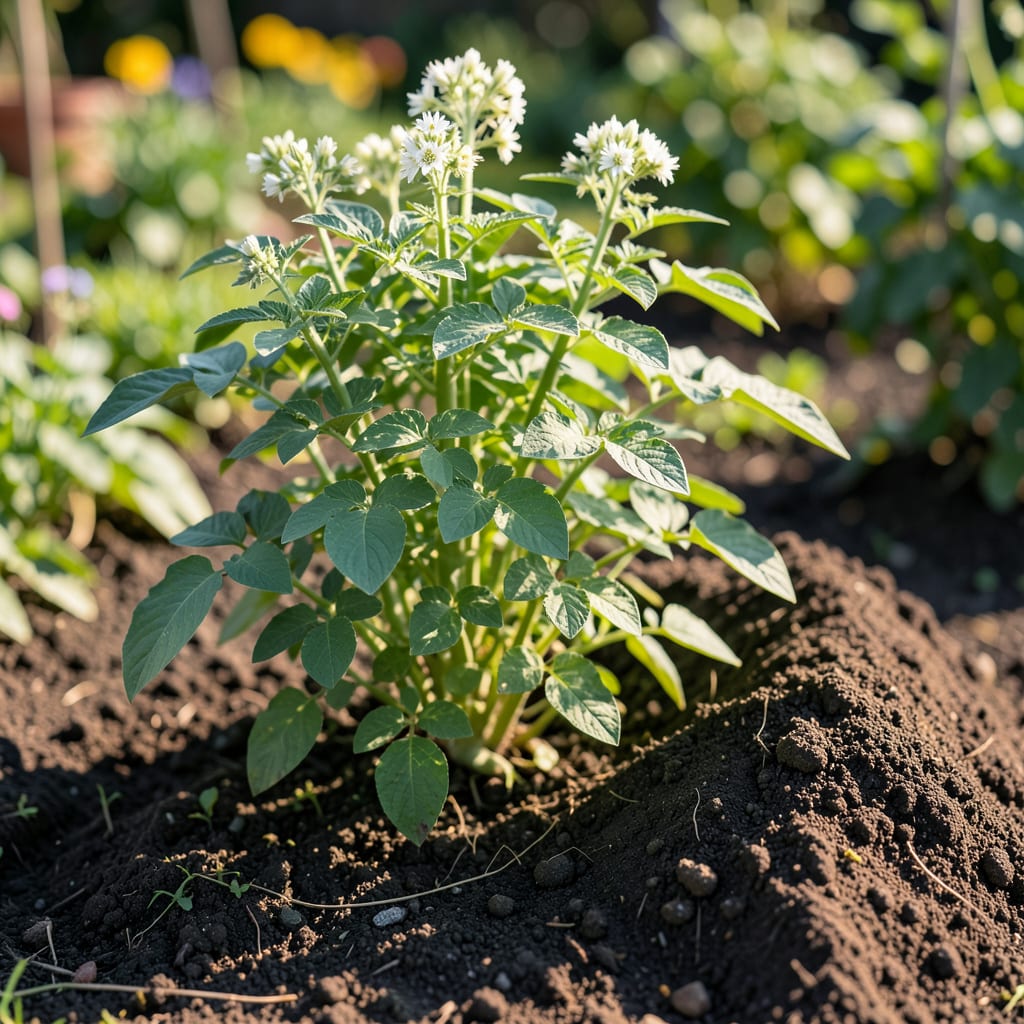
When growing 🥔 Potatoes, understanding their height is crucial for maximizing yield. Potato plants typically grow between 1-3 feet tall, depending on variety and growing conditions.
In USDA Zone 6, spring planting in March-April sets them up for success. Proper spacing and hilling can help manage their height and promote healthy growth.


Potato plants typically grow between 1-3 feet tall, but their height can vary significantly based on several key factors. Understanding these factors is crucial for maximizing your harvest and ensuring healthy plant development 🌿.
The variety of potato you’re growing plays a significant role in determining its height. Some varieties are naturally more compact, while others can grow quite tall. For example, russet potatoes tend to grow taller than new potatoes 🌱.
Soil quality is another critical factor that affects potato plant height. Potatoes thrive in well-draining, loose soil that’s rich in organic matter. Poor soil conditions can limit growth and result in shorter plants 🌿.
In addition to variety and soil quality, sunlight exposure and watering practices significantly impact potato plant height. Potatoes require full sun to produce a robust crop, and consistent moisture levels support vigorous growth 💦.
Fertilization is also essential for promoting healthy potato plant development. A balanced fertilizer applied at planting and during the growing season can help ensure your potatoes reach their full potential 📈.
By understanding and managing these factors, you can optimize the height and productivity of your potato plants. Proper care and attention to these details will help you achieve a bountiful harvest 🥔.
Different potato varieties have unique growth characteristics that affect their height. Some varieties are bred for compact growth, making them ideal for container gardening or small spaces 🏠.
When selecting a potato variety, consider your available space and growing conditions. Taller varieties may require additional support to prevent them from toppling over 🌻.
Regardless of the variety, proper hilling is essential for promoting healthy growth and maximizing yield. Hilling involves covering the base of the plants with soil as they grow, which encourages the production of more tubers 📦.
In USDA Zone 6, spring planting in March-April allows potato plants to mature during the cooler months, reducing the risk of disease and pests 🌞.
To further support healthy growth, ensure your potato plants receive consistent moisture and adequate nutrients. This will help them reach their full height potential and produce a plentiful harvest 🌼.
By following these guidelines and understanding the factors that influence potato plant height, you can enjoy a successful and productive potato crop 🥔.
To maximize your potato yield, it’s essential to manage the height of your potato plants effectively. Proper management techniques can help promote healthy growth and encourage the production of more tubers 🥔.
One of the most critical techniques for managing potato plant height is hilling. Hilling involves covering the base of the plants with soil as they grow, which helps to encourage the production of more tubers and supports the stems 🌿.
Plant seed potatoes 2-4 inches deep in well-draining soil with the “eyes” facing upwards 🌱.
When plants are 6-8 inches tall, cover the base with 2-3 inches of soil, leaving some leaves exposed 🌿.
Repeat the hilling process every 1-2 weeks until the soil is mounded around the plants, leaving only the top leaves exposed 📦.
In addition to hilling, proper spacing is crucial for managing potato plant height. Planting potatoes 12 inches apart allows for good air circulation and prevents overcrowding, which can lead to disease 🌻.
Pruning is another technique that can help manage potato plant height. Removing excess foliage can help control the height of the plants and promote healthier growth 🌿.
By implementing these management techniques, you can optimize the height and productivity of your potato plants. Proper care and attention to these details will help you achieve a bountiful harvest 🥔.
To further support healthy growth, ensure your potato plants receive consistent moisture and adequate nutrients. This will help them reach their full height potential and produce a plentiful harvest 🌼.
By following these guidelines and understanding how to manage potato plant height, you can enjoy a successful and productive potato crop 🥔.
When growing potato plants, understanding common mistakes that can affect their height and yield is crucial. One of the most significant errors is poor soil preparation, which can limit root development and reduce plant height 🌱.
Another critical mistake is inadequate hilling, which can result in reduced tuber production. Hilling is essential for promoting healthy growth and maximizing yield 📦.
Avoid common errors like poor soil preparation, inadequate hilling, and insufficient watering to ensure healthy potato plant growth and maximum yield.
Insufficient watering is another mistake that can impact potato plant height. Potatoes require consistent moisture, especially during tuber formation, to produce a healthy crop 💦.
Overcrowding can also negatively affect potato plant height and yield. Planting potatoes too close together can lead to reduced air circulation and increased disease risk 🌻.
To avoid these common mistakes, ensure you provide your potato plants with proper care and attention. This includes well-draining soil, adequate hilling, and consistent moisture 🌿.
By understanding and avoiding these common errors, you can optimize the height and productivity of your potato plants. Proper care and attention to these details will help you achieve a bountiful harvest 🥔.
To further support healthy growth, ensure your potato plants receive adequate nutrients through balanced fertilization. This will help them reach their full height potential and produce a plentiful harvest 📈.
By following these guidelines and being aware of common mistakes, you can enjoy a successful and productive potato crop 🥔.
Potato plants typically grow between 1-3 feet tall, depending on the variety and growing conditions. Some compact varieties remain shorter, while taller types can reach the upper end of this range .
Soil quality significantly impacts potato plant height. Potatoes thrive in well-draining, loose soil rich in organic matter. Poor soil conditions can limit growth, resulting in shorter plants .
Yes, hilling is an effective technique for managing potato plant height. By covering the base of the plants with soil as they grow, you encourage more tuber production and support the stems, which can help control overall height .
Common mistakes include poor soil preparation, inadequate hilling, insufficient watering, and overcrowding. Avoiding these errors helps ensure healthy growth and maximum yield .
