
Beautiful Plants For Your Interior
Beautiful Plants For Your Interior
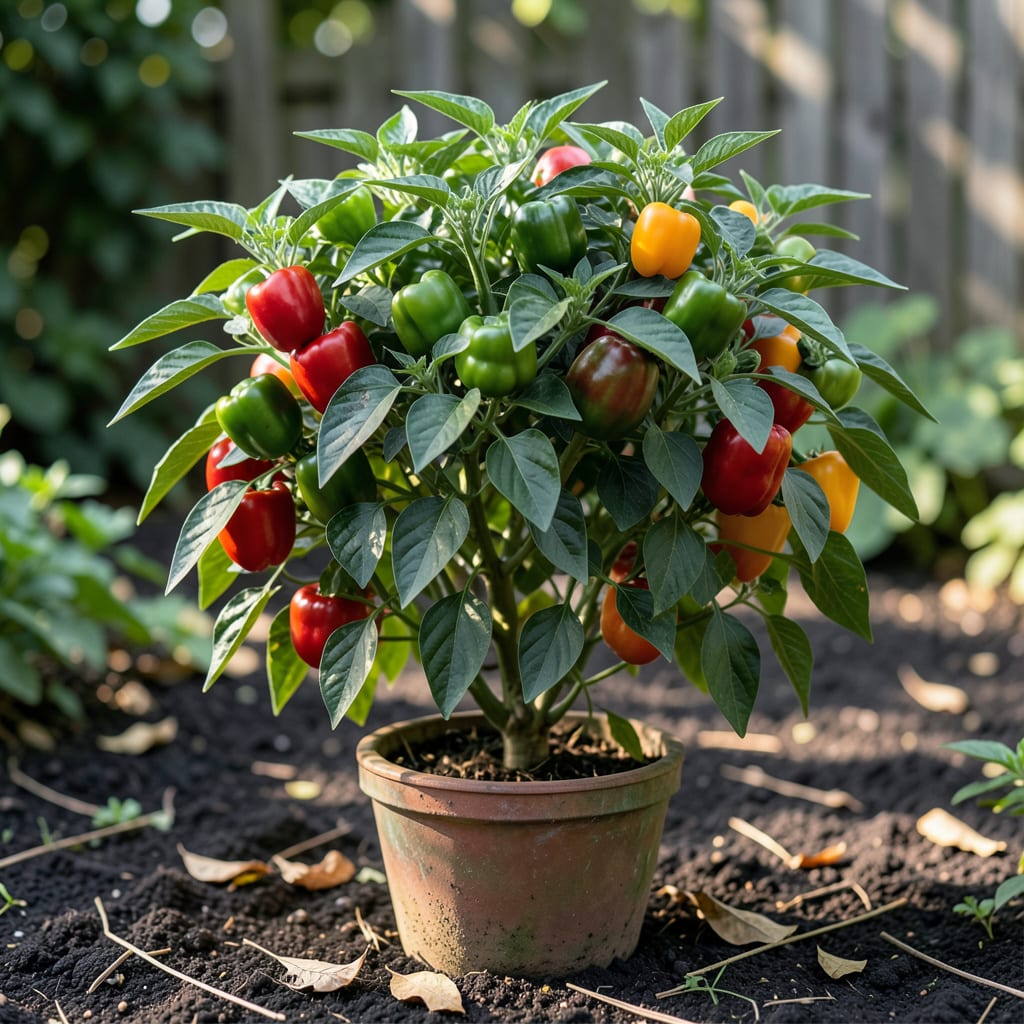
When growing Pepper 🌶️ plants, understanding their potential height is crucial for maximizing both growth and yield. In ideal conditions, Pepper plants can grow between 2-4 feet tall, depending on the variety and growing conditions.
Growing in USDA Zone 6, I’ve found that providing the right support and care can make all the difference in helping these plants reach their full potential height. Let’s explore the factors that influence their growth and how to optimize them.


When growing pepper plants, understanding the factors that influence their height is crucial for maximizing both growth and yield. The height of pepper plants can vary significantly based on several key factors.
Variety, soil quality, sunlight, and watering practices all play a significant role in determining how tall pepper plants will grow. Different varieties of pepper plants have different growth habits, with some being naturally more compact and others growing quite tall 🌶️.
The ideal growing conditions for pepper plants include warm temperatures, adequate moisture, and full sun exposure. By optimizing these factors, gardeners can help their pepper plants reach their maximum height potential.
Soil preparation is particularly important, as pepper plants benefit from soil that is rich in organic matter and has good drainage. Adding compost or well-rotted manure can improve soil quality and support healthy plant growth.
Proper spacing is also crucial for allowing pepper plants to grow tall. Plants that are too crowded may not receive adequate sunlight and air circulation, which can limit their height and overall health.
In addition to these factors, support can be important for taller pepper varieties. Using stakes or cages can help keep plants upright and encourage them to grow taller.
Understanding and managing these factors can help gardeners grow taller, healthier pepper plants that produce more fruit. By providing the right conditions and support, gardeners can maximize both the height and yield of their pepper plants 🌿.
Regular monitoring of the plants’ growth and adjusting care practices accordingly can further enhance their development. This includes keeping an eye out for signs of nutrient deficiencies or pest issues that could impact plant height.
By focusing on these key areas, gardeners can create an optimal environment for their pepper plants to thrive and reach their full height potential.
The combination of proper care, including watering, fertilizing, and providing support, will help ensure that pepper plants grow as tall and healthy as possible.
Overall, growing tall pepper plants requires attention to detail and a commitment to providing the best possible growing conditions. With the right care, pepper plants can be a productive and rewarding addition to any garden 🌻.
To maximize pepper plant height and achieve better yields, it’s essential to provide proper support and care throughout the growing season. Pepper plants can grow quite tall, especially when given the right conditions 🌿.
One of the most effective ways to support pepper plants is by using stakes or cages. These help keep the plants upright and encourage them to grow taller by preventing them from bending or breaking under the weight of their fruit.
Begin with healthy, robust seedlings that have a good root system.
Ensure your pepper plants receive at least 6 hours of direct sunlight daily.
Maintain consistent moisture levels, avoiding both drought and waterlogging.
Use a balanced fertilizer every 4-6 weeks to promote healthy growth.
In addition to these steps, pruning can also play a significant role in maximizing pepper plant height. By removing lower leaves and weak branches, you can improve air circulation and direct the plant’s energy towards growing taller and producing more fruit 🌻.
Monitoring for pests and diseases is also crucial. Regular inspections can help you catch any issues early, preventing them from stunting your plants’ growth.
By following these tips and providing your pepper plants with the care they need, you can enjoy taller, healthier plants with a more bountiful harvest 🌟.
It’s also worth noting that different pepper varieties have different growth habits. Some are naturally more compact, while others can grow quite tall. Understanding the specific needs of your pepper variety can help you tailor your care practices for maximum height and yield.
Overall, maximizing pepper plant height requires a combination of good growing conditions, proper support, and attentive care. With these strategies, you can help your pepper plants reach their full potential and enjoy a more productive garden.
Growing tall pepper plants can be rewarding, but it comes with its own set of challenges. One of the most significant issues gardeners face is dealing with pests and diseases that can stunt plant growth 🌿.
Common pests that affect pepper plants include aphids, spider mites, and whiteflies. These pests can weaken the plant by sucking sap or spreading diseases, ultimately limiting their height and productivity.
Regularly inspect your pepper plants for signs of pests or diseases. Early detection is key to preventing damage and ensuring healthy growth.
Environmental stressors such as extreme temperatures, inadequate watering, and poor soil quality can also impact pepper plant height. Pepper plants prefer warm temperatures between 65-85°F and consistent moisture levels.
To mitigate these challenges, gardeners should focus on providing optimal growing conditions and maintaining good garden hygiene. This includes rotating crops, using disease-resistant varieties, and ensuring proper spacing between plants to improve air circulation 🌻.
By understanding these common challenges and taking proactive steps to address them, gardeners can help their pepper plants reach their full potential height and enjoy a bountiful harvest 🌟.
Regular monitoring and maintenance are crucial for identifying and addressing issues early on. This proactive approach can make a significant difference in the overall health and productivity of pepper plants.
Implementing integrated pest management strategies can also help minimize the impact of pests and diseases on pepper plant growth. This includes using a combination of cultural, biological, and chemical controls to manage pest populations effectively.
By combining good cultural practices with vigilant monitoring, gardeners can overcome common challenges and grow tall, healthy pepper plants that produce abundant fruit.
Pepper plants can grow between 2-4 feet tall, depending on the variety and growing conditions. Some compact varieties remain smaller, while others can reach their maximum height with proper care. Providing support can help them grow taller .
Several factors influence pepper plant height, including variety, soil quality, sunlight, and watering practices. Optimal growing conditions with warm temperatures and consistent moisture promote healthy growth and maximum height .
Using stakes or cages helps keep pepper plants upright and encourages them to grow taller. This support prevents plants from bending or breaking under the weight of their fruit, promoting better growth and yield .
Common challenges include dealing with pests and diseases that can stunt growth, as well as environmental stressors like extreme temperatures. Regular monitoring and maintaining good garden hygiene can help mitigate these issues .
