
Beautiful Plants For Your Interior
Beautiful Plants For Your Interior
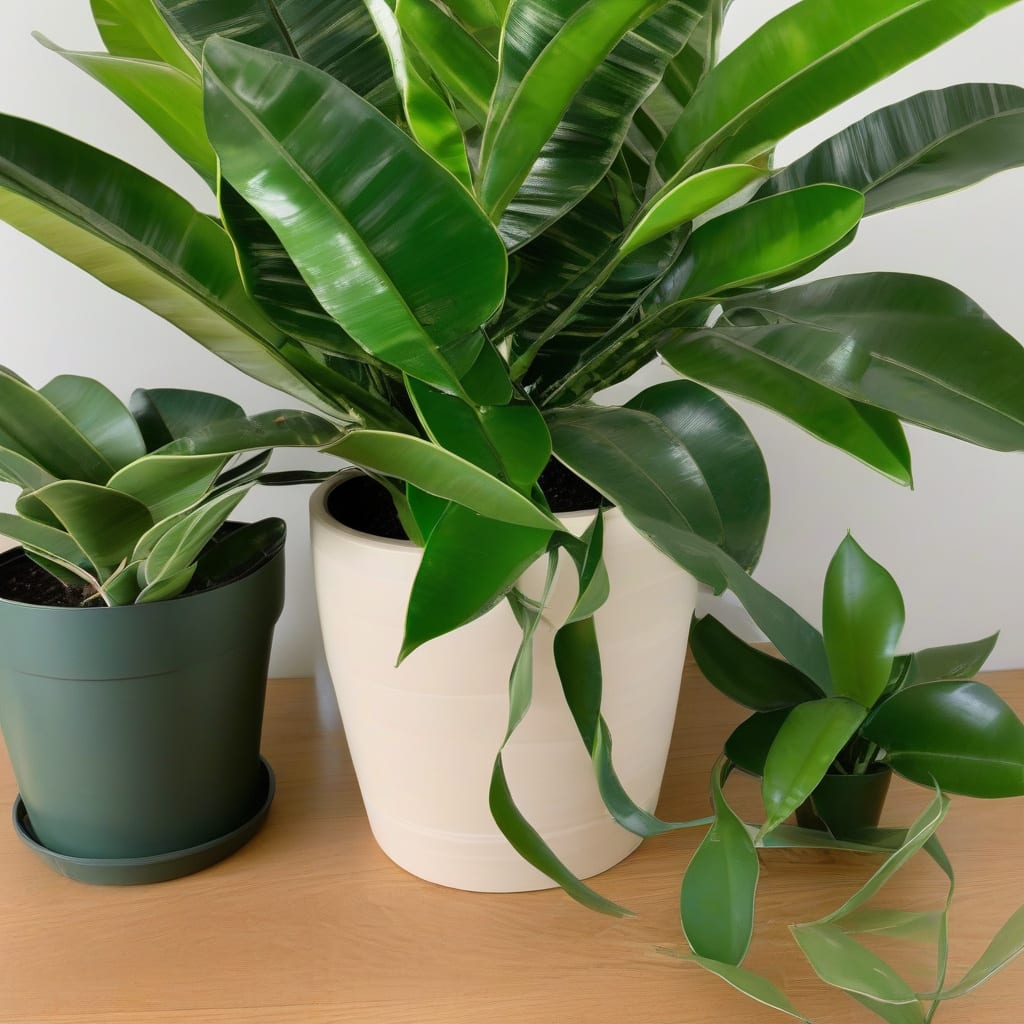
I’ve always been fascinated by the 🌱 ZZ Plant’s ability to thrive in low-light conditions, making it a popular choice for indoor spaces. But have you ever wondered just how tall this low-maintenance plant can grow?
The ZZ Plant typically reaches a height of 2-3 feet, making it a great option for those looking for a compact houseplant that doesn’t require frequent pruning or maintenance. Let’s explore what factors influence its growth and how to care for it.

The ZZ Plant is known for its low-maintenance requirements and ability to thrive in various conditions. Understanding its growth potential is key to proper care. The typical height range of a ZZ Plant is between 2-3 feet, making it a compact houseplant suitable for indoor spaces.
Several factors can influence the height of a ZZ Plant, including lighting, watering, soil quality, and pot size. Let’s explore these factors in more detail to understand what contributes to the maximum height of this popular houseplant.
The ZZ Plant’s slow growth rate means it can take several years to reach its maximum height. Factors such as lighting conditions, watering frequency, and soil quality all play a role in determining the plant’s ultimate size. In general, ZZ Plants are more likely to reach their maximum height when grown in bright, indirect light and watered sparingly.
It’s worth noting that ZZ Plants are often grown for their foliage rather than their height. The plant’s glossy, dark green, leaves are a key feature of the plant, and are often the main focus for growers.
To achieve the maximum height, ZZ Plants require proper care, including adequate watering, suitable soil, and protection from pests. While they can tolerate a range of conditions, optimal care can help them reach their full growth potential.
ZZ Plants are known for their low-maintenance requirements, making them ideal for busy individuals or those new to plant care. Their ability to survive with minimal watering and low light makes them a popular choice for indoor spaces.
In terms of growth habits, ZZ Plants tend to grow slowly and steadily, producing new leaves and stems over time. While they can reach heights of up to 3 feet, they are generally more compact and bushy in nature.
One of the key benefits of ZZ Plants is their ability to thrive in low-light conditions. While they can tolerate bright, indirect light, they can also survive in low-light environments, making them a versatile option for indoor spaces.
Overall, the ZZ Plant is a low-maintenance, versatile houseplant that can thrive in a range of conditions. By understanding its growth potential and providing proper care, you can enjoy this popular houseplant for years to come.
With proper care, ZZ Plants can live for many years, providing a long-term touch of greenery to indoor spaces. Their slow growth rate and compact size make them an ideal choice for those looking for a low-maintenance houseplant.
By following the tips outlined above, you can help your ZZ Plant reach its full growth potential and enjoy its many benefits for years to come 🌱.
The height of a ZZ Plant is influenced by several key factors that contribute to its overall growth and development. Understanding these factors is crucial for providing optimal care and promoting healthy growth 🌱.
Lighting conditions play a significant role in determining the height of a ZZ Plant. While they can tolerate low light, bright, indirect light can encourage more robust growth and help the plant reach its maximum height.
The right balance of light, water, and nutrients can significantly impact ZZ Plant height growth. Bright, indirect light encourages more robust growth, while low light conditions may result in slower development.
Watering frequency is another critical factor affecting ZZ Plant height. Overwatering can lead to root rot, while underwatering can cause stress, both of which can impact the plant’s ability to grow to its full potential.
Soil quality also plays a crucial role in ZZ Plant growth. A well-draining potting mix can help prevent waterlogged soil and root rot, promoting healthy root development and, in turn, supporting the plant’s overall growth.
Pot size can also influence the height of a ZZ Plant. A pot that is too small may limit root growth, while a pot that is too large can cause the soil to remain too wet, potentially leading to root rot.
By understanding and managing these factors, you can create an optimal environment for your ZZ Plant to thrive and reach its maximum height 🌿.
In addition to these factors, temperature and humidity can also impact ZZ Plant growth. Keeping the plant in a room with a consistent temperature between 65-75°F (18-24°C) and maintaining a moderate level of humidity can help promote healthy growth.
Fertilization is also important, although ZZ Plants are not heavy feeders. Using a balanced, water-soluble fertilizer during the growing season can provide essential nutrients and support growth.
By providing the right conditions and care, you can help your ZZ Plant reach its full potential and enjoy its many benefits for years to come.
To manage the height of your ZZ Plant effectively, it’s essential to understand the factors that influence its growth. While ZZ Plants are known for their compact size, there are several techniques you can use to encourage or control their height 🌿.
One of the most effective ways to manage ZZ Plant height is through pruning. Pruning involves removing any dead or damaged leaves, which can help maintain the plant’s appearance and promote healthy growth. To prune your ZZ Plant, simply remove any yellow or brown leaves at the base of the stem using clean scissors or pruning shears.
When pruning your ZZ Plant,
Repotting is another technique that can help manage ZZ Plant height. ZZ Plants typically don’t need to be repotted often, but if the plant has outgrown its container, repotting can provide the necessary room for the roots to expand. Choose a pot that is only slightly larger than the previous one, as ZZ Plants prefer to be slightly root-bound.
In addition to pruning and repotting, there are several other maintenance techniques you can use to manage ZZ Plant height. These include providing the right amount of light, water, and nutrients. By understanding the specific needs of your ZZ Plant, you can create an optimal environment that promotes healthy growth and maintains the desired height 🌟.
By following these tips and techniques, you can effectively manage the height of your ZZ Plant and enjoy its many benefits for years to come 🌱.
