
Beautiful Plants For Your Interior
Beautiful Plants For Your Interior
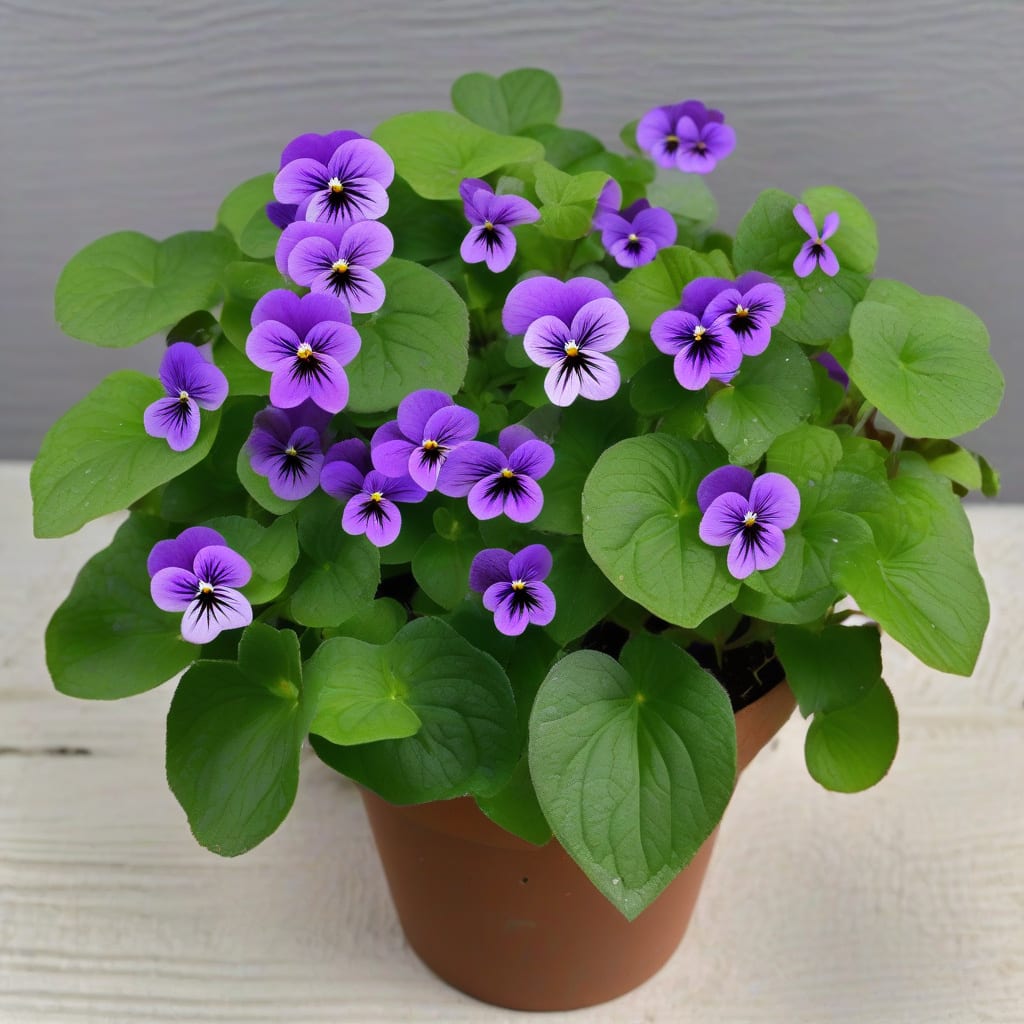
I’ve always been fascinated by the delicate beauty of Sweet Violet 💜, and understanding its growth habits is key to making the most of this charming spring flower. Whether you’re planning to add it to your garden or simply want to know what to expect, knowing its typical height is a great place to start.
Sweet Violet typically grows between 0.25 and 1 foot tall, making it an excellent choice for groundcover or border planting in USDA Zone 6. Let’s explore what influences its height and how to manage it effectively.

I’ve found that Sweet Violets typically grow between 0.25 and 1 foot tall, making them an excellent choice for groundcover or border planting. This height range is ideal for creating a beautiful, delicate carpet of purple flowers in early spring.
The height of Sweet Violets can vary depending on factors such as soil quality, sunlight, and watering conditions. In general, they tend to thrive in partial shade with moist soil, which helps them reach their full height potential 🌿.
When planting Sweet Violets, it’s essential to consider their mature height and growth habit to ensure proper spacing and placement in your garden. They can form a dense mat of foliage, which helps suppress weeds and adds to their overall appeal.
In my experience, Sweet Violets are quite adaptable and can thrive in a variety of conditions, making them a great choice for gardeners of all skill levels. Their delicate purple flowers are a welcome sight in early spring, and their foliage remains attractive throughout the growing season.
To maximize their height potential, ensure that your Sweet Violets receive the right amount of sunlight. sunlight, sunlight = “partial shade” and soil_moisture = “moist”. This will help promote healthy growth and flowering.
The height of Sweet Violets can be influenced by various environmental factors. Understanding these factors is crucial for gardeners who want to optimize the growth of these charming plants. One of the primary factors is soil quality 🌿.
Soil quality plays a significant role in determining the height of Sweet Violets. They thrive in well-draining, moist soil that is rich in organic matter. Soil that is too dry or too wet can negatively impact their growth.
Sunlight is another critical factor. While Sweet Violets can tolerate some shade, they generally do best in partial shade. Too much direct sunlight can cause the plants to become stressed and may limit their height.
Watering is also essential. Consistent moisture is key, but overwatering can be detrimental. Aim for weekly watering during dry spells to keep the soil evenly moist.
Temperature fluctuations can also affect the height of Sweet Violets. They prefer cooler temperatures and can be sensitive to extreme heat. In warmer climates, providing some afternoon shade can help mitigate this issue.
To achieve optimal height, ensure Sweet Violets are planted in well-draining soil, receive partial shade, and are watered consistently. Avoid extreme temperatures and maintain a balanced care routine.
By understanding and managing these factors, gardeners can help their Sweet Violets reach their full height potential and enjoy a beautiful display of purple flowers in early spring.
In addition to proper care, there are several strategies gardeners can use to manage the height of Sweet Violets. One effective method is pruning. Regular pruning can help maintain a desired height and promote bushier growth.
Companion planting is another strategy. Planting Sweet Violets alongside other low-growing plants can create a harmonious and visually appealing garden bed. Choose companions that have similar light and watering needs.
Maintenance is also crucial. Regularly removing spent flowers and keeping the area around the plants free of debris can help maintain their health and appearance.
Regularly pruning your Sweet Violets can help maintain their desired height and encourage a fuller, more vibrant display of foliage and flowers.
By implementing these strategies, gardeners can effectively manage the height of their Sweet Violets and enjoy a beautiful, thriving garden bed.
The typical height range of Sweet Violets is between 0.25 and 1 foot, making them suitable for a variety of garden settings. Their low-growing, spreading habit makes them ideal for groundcover or border planting.
Gardeners can optimize the height of their Sweet Violets by ensuring they are planted in the right conditions and receive proper care. This includes providing well-draining soil, partial shade, and consistent moisture.
By understanding the factors that influence the height of Sweet Violets and implementing strategies to manage their growth, gardeners can enjoy a beautiful and thriving garden bed filled with these charming purple flowers 🌼.
I’ve found that several factors play a crucial role in determining the height of Sweet Violets. Understanding these factors is essential for gardeners who want to optimize the growth of these charming plants.
Soil quality is a critical factor in determining Sweet Violet height. They thrive in well-draining, moist soil that’s rich in organic matter. Soil that’s too dry or waterlogged can negatively impact their growth.
Sunlight is another important consideration. While Sweet Violets can tolerate some shade, they generally do best in partial shade. Too much direct sunlight can cause stress and limit their height.
To achieve optimal height, ensure Sweet Violets are planted in well-draining soil, receive partial shade, and are watered consistently. Avoid extreme temperatures and maintain a balanced care routine.
By understanding and managing these factors, gardeners can help their Sweet Violets reach their full height potential and enjoy a beautiful display of purple flowers in early spring 🌼.
Watering is also crucial for maintaining optimal height. Sweet Violets prefer consistent moisture, but overwatering can be detrimental. Aim for weekly watering during dry spells to keep the soil evenly moist.
Temperature fluctuations can also impact Sweet Violet height. They prefer cooler temperatures and can be sensitive to extreme heat. In warmer climates, providing some afternoon shade can help mitigate this issue.
By considering these factors and providing the right conditions, gardeners can help their Sweet Violets thrive and reach their full height potential 🌿.
I have found that managing the height of Sweet Violets in garden settings requires a combination of proper care and strategic planting techniques. By understanding how to control their height, you can create a beautiful and thriving garden bed.
Regular pruning helps maintain desired height and encourages fuller growth. Prune after flowering to promote new growth and prevent seed formation.
One effective method for managing Sweet Violet height is through pruning. By pruning your plants regularly, you can maintain a desired height and promote bushier growth. It’s best to prune after flowering to encourage new growth and prevent seed formation.
Companion planting is another strategy for managing Sweet Violet height. By planting them alongside other low-growing plants, you can create a harmonious and visually appealing garden bed. Choose companions that have similar light and watering needs 🌿.
Maintenance is also crucial for managing Sweet Violet height. Regularly removing spent flowers and keeping the area around the plants free of debris can help maintain their health and appearance. This will also encourage the plants to focus their energy on foliage growth rather than seed production.
To maintain optimal height, ensure that your Sweet Violets receive proper care, including consistent moisture and balanced fertilization during the growing season. Avoid extreme temperatures and provide partial shade to promote healthy growth 🌼.
By implementing these strategies, you can effectively manage the height of your Sweet Violets and enjoy a beautiful, thriving garden bed filled with these charming purple flowers.
