
Beautiful Plants For Your Interior
Beautiful Plants For Your Interior
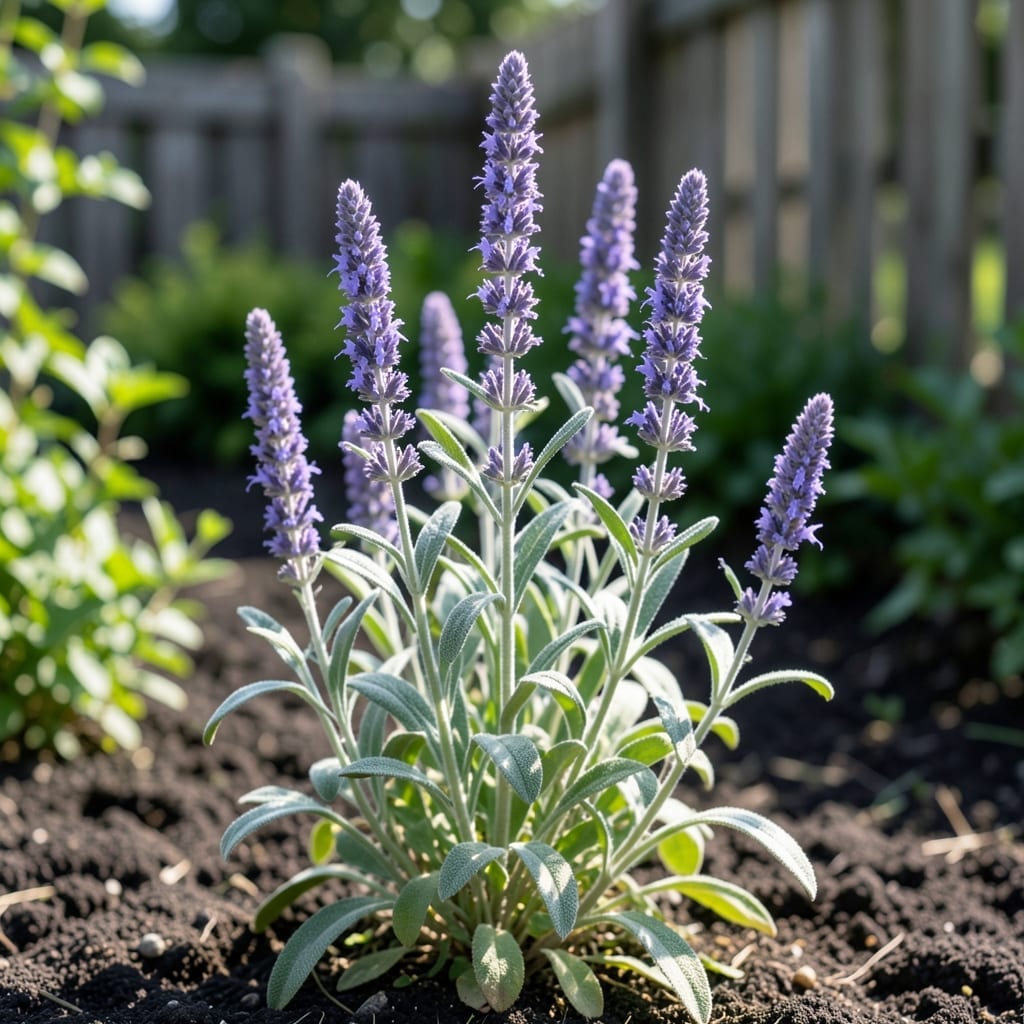
Russian sage 🌿 brings stunning silvery foliage and lavender blooms to any garden. But its height often surprises new gardeners.
This drought-tolerant perennial typically reaches 3 to 5 feet tall at maturity. That’s about the height of a tall person, making it a dramatic backdrop in landscapes.
I’ll share how to manage its growth and what factors might influence its final size. Let’s discover how to make the most of this beautiful plant.


When I first planted Russian sage in my garden, I was amazed by how quickly it grew. The standard variety typically reaches 3 to 5 feet tall at maturity.
This height makes it a perfect backdrop plant for borders or a striking focal point in any landscape. But did you know there are dwarf cultivars too? 🌿
| Variety | Mature Height | Notes |
| Standard Russian Sage | 3-5 ft | Full sun, drought-tolerant |
| ‘Little Spire’ | 2-3 ft | Compact, great for small spaces |
| ‘Filagrina’ | 2-4 ft | Fine-textured foliage |
| ‘Blue Spire’ | 3-5 ft | Vibrant lavender-blue blooms |
I’ve found that climate conditions can influence the final height of Russian sage. In warmer zones like USDA 7-9, it often reaches the upper end of its range.
Conversely, in cooler climates like USDA 4-5, it may stay closer to 3 feet. This adaptability makes it a versatile choice for many gardeners.
Pruning also plays a key role in controlling height. I recommend early spring pruning to encourage bushier growth and prevent it from becoming too leggy.
If you want to keep it shorter, you can trim it back by about a third in late spring. This won’t harm the plant and will help maintain your desired height.
Soil quality and sunlight exposure are other critical factors. Russian sage thrives in well-draining soil and full sun, which can maximize its growth potential.
In my experience, plants in partial shade tend to grow taller as they stretch for sunlight, but they may produce fewer blooms. For the best results, aim for at least 6 hours of sun daily.
Finally, watering habits can impact height. While Russian sage is drought-tolerant, consistent moisture during its first growing season helps it establish a strong root system.
Once established, it can handle dry spells, but overwatering can lead to leggy growth. Stick to a deep soak every 2 weeks for optimal health and height. ☀️
I’ve learned that Russian sage height isn’t set in stone—it’s influenced by several key factors. Understanding these can help you predict and control how tall your plants will grow. 🌿
From soil quality to sunlight exposure, each element plays a role in determining the final size of your Perovskia atriplicifolia. Let’s break down what really makes a difference.
In my garden, I’ve noticed that Russian sage in partial shade tends to stretch taller but produces fewer blooms. For the best balance of height and flowers, aim for full sun.
Overwatering can lead to leggy growth, while drought conditions may stunt it. I recommend a deep soak every 2 weeks once established. This keeps the plant healthy without encouraging excessive height.
Another tip: Prune in early spring before new growth starts. This gives you control over the shape and size, preventing it from becoming too tall or unruly. ✂️
Finally, soil drainage is crucial. Russian sage hates wet feet, so amend heavy clay with compost. In my experience, this simple step can make a noticeable difference in both height and vigor.