
Beautiful Plants For Your Interior
Beautiful Plants For Your Interior
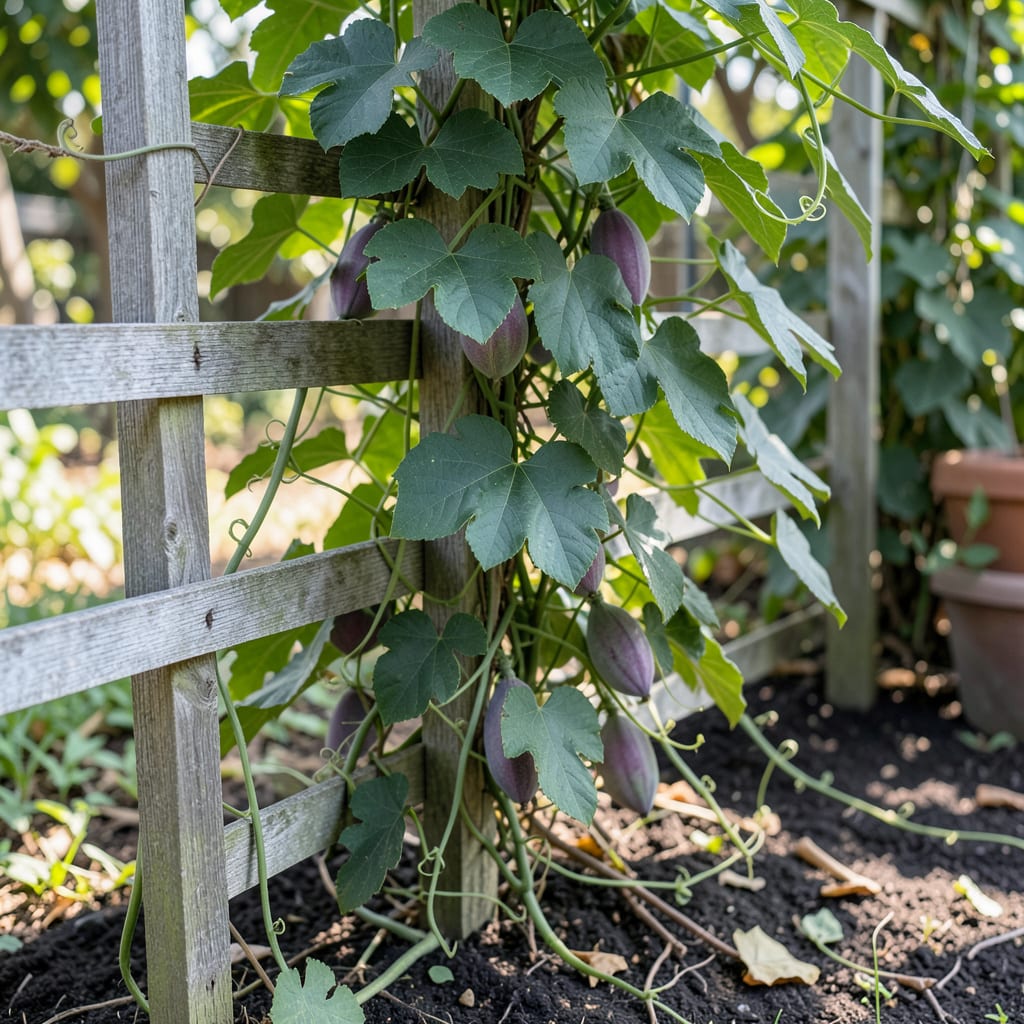
Passion fruit vines 🍈 can transform any garden into a lush, tropical paradise, but their vigorous growth requires careful management. In ideal conditions, these vines can climb up to 30 feet tall, making them perfect for trellises or arbors.
To keep your passion fruit vine thriving and productive in USDA zone 6a, understanding its growth habits is crucial. I’ll share expert tips on training and pruning these vigorous climbers to achieve the perfect balance between height and fruit production.


Passion fruit vines are vigorous climbers that can grow quite tall if not properly managed. In ideal conditions, they can reach heights of 20-30 feet, making them perfect for trellises or arbors. The height potential of passion fruit vines is influenced by several factors, including the variety, growing conditions, and support structures 🌿.
Understanding the growth habits of passion fruit is crucial for successful cultivation. These vines are naturally inclined to climb and spread, using their tendrils to grasp onto nearby supports. Without proper training, they can become unruly and difficult to manage. By providing the right conditions and support, you can control their height and encourage optimal fruit production 📈.
The growth pattern of passion fruit vines is characterized by their tendency to climb and spread rapidly. They use their tendrils to latch onto supports, allowing them to ascend vertically. In ideal conditions, with full sun and well-draining soil, passion fruit vines can achieve their maximum height potential 🌟.
Several factors can affect the vertical development of passion fruit vines. These include the availability of sunlight, soil quality, watering practices, and the presence of support structures. By optimizing these factors, you can encourage healthy growth and maximize the height of your passion fruit vines 🌿.
In USDA zone 6a, passion fruit vines typically thrive during the warmer months. They require full sun and consistent moisture to grow vigorously. Providing a sturdy trellis or arbor is essential for supporting their vertical growth and keeping the vines organized 🌻.
Regular pruning is necessary to control the size of passion fruit vines and promote fruiting. By pruning back excessive growth, you can maintain a manageable height and encourage the plant to focus its energy on producing fruit. Pruning also helps improve air circulation and reduces the risk of disease 🔄.
Training passion fruit vines involves guiding them onto a support structure and pruning them regularly. This not only helps control their height but also maximizes their fruit production. By understanding and managing the growth habits of passion fruit, you can enjoy a bountiful harvest of delicious fruit 🍈.
Passion fruit vines are known for their vigorous growth, especially in warm climates. They can quickly cover a trellis or arbor, creating a lush, tropical display. With proper care and management, these vines can provide shade and fruit for many years to come 🌳.
In addition to their height potential, passion fruit vines are also valued for their fruit. The vines produce delicious passion fruit, which can be enjoyed fresh or used in various culinary applications. By optimizing their growth conditions and managing their height, you can maximize your harvest 🎉.
Overall, passion fruit vines are a great addition to any garden, providing both beauty and bounty. Their ability to grow tall and produce abundant fruit makes them a popular choice among gardeners. With the right care and support, passion fruit vines can thrive and become a highlight of your garden 🌟.
By understanding the growth habits and heights of passion fruit vines, you can better manage their cultivation. This knowledge allows you to provide the necessary support and care, ensuring that your vines reach their full potential and produce plenty of fruit. Whether you’re a seasoned gardener or a beginner, passion fruit vines are a rewarding and fruitful addition to any garden 🌱.
Training passion fruit vines is crucial for achieving the desired height and maximizing fruit production. I recommend starting with a sturdy trellis or arbor that can support the vine’s vigorous growth. The structure should be at least 6-8 feet tall to allow for proper training and pruning 🌿.
To train your passion fruit vine, begin by gently twining the main stem around the support structure. As the vine grows, continue to guide the tendrils onto the trellis, securing them if necessary. Regular pruning is essential to control the vine’s height and promote fruiting 🔄.
Guide the main stem onto the trellis, securing it if necessary
Prune back excessive growth to maintain desired height and promote fruiting
Continue to guide new growth onto the trellis and monitor for signs of disease or pests
By following these steps, you can effectively train your passion fruit vine to achieve the desired height while maximizing its yield.
In my experience, passion fruit vines respond well to regular maintenance. By keeping the vine well-trained and pruned, you can enjoy a bountiful harvest of delicious fruit. The key is to strike a balance between controlling the vine’s height and allowing it to produce plenty of fruit 🍈.
One of the benefits of training passion fruit vines is that it allows you to make the most of your garden space. By growing vertically, you can cultivate more plants in a smaller area, increasing your overall yield. This is particularly useful for gardeners with limited space, as it enables them to grow a variety of crops 🌼.
When training passion fruit vines, it’s essential to consider the specific growing conditions in your garden. Factors such as sunlight, soil quality, and watering practices can all impact the vine’s growth and productivity. By optimizing these conditions, you can help your passion fruit vine thrive and reach its full potential 🌟.
Overall, training passion fruit vines requires a combination of patience, knowledge, and regular maintenance. By following the tips outlined above and staying committed to your vine’s care, you can enjoy a successful and fruitful harvest for years to come 🎉.
Managing passion fruit vine height can be challenging due to their vigorous growth and tendency to spread rapidly. One common issue is overly vigorous growth, which can lead to the vine overtaking its support structure or surrounding plants 🌿.
Container growing can also present challenges, as passion fruit vines require ample space and proper support to grow effectively. Limited container size can restrict root development and impact overall plant health 🌱.
Passion fruit vines are sensitive to extreme temperatures and frost. In colder climates, they may require additional protection or be grown in containers that can be moved indoors during winter ❄️.
Climate considerations play a significant role in managing passion fruit vine height. In areas with cold winters, the vine may die back to the ground, requiring pruning in the spring to encourage new growth 🔄.
In regions with high winds or extreme weather conditions, providing additional support and protection for the vine is crucial. This can include using windbreaks or securing the vine to its support structure 🌬️.
To overcome these challenges, it’s essential to be proactive and adapt your care strategy to your specific growing conditions. Regular monitoring and maintenance can help prevent issues and ensure your passion fruit vine remains healthy and productive 📈.
By understanding the common challenges associated with managing passion fruit vine height, you can take steps to mitigate them and enjoy a successful harvest. Whether you’re growing in containers or in the ground, providing the right support and care is key to achieving optimal results 🌟.
In my experience, being prepared for the unique challenges of growing passion fruit vines is crucial for success. By anticipating potential issues and taking proactive steps, you can create an ideal environment for your vine to thrive and produce abundant fruit 🍈.
Overall, managing passion fruit vine height requires a combination of knowledge, patience, and regular maintenance. By staying informed and adapting to your vine’s needs, you can overcome common challenges and enjoy a bountiful harvest for years to come 🎉.
Passion fruit vines can grow quite tall, reaching heights of 20-30 feet in ideal conditions with proper support. Their vigorous growth makes them perfect for trellises or arbors. Regular pruning helps control their height and promotes fruiting.
Several factors influence the vertical development of passion fruit vines, including sunlight availability, soil quality, watering practices, and support structures. Optimizing these factors encourages healthy growth and maximizes height potential.
Regular pruning is necessary to control the size of passion fruit vines and promote fruiting. Prune back excessive growth to maintain a manageable height and encourage the plant to focus on producing fruit. Pruning also improves air circulation and reduces disease risk.
Yes, you can grow passion fruit in containers, but they require ample space and proper support. Limited container size can restrict root development and impact overall plant health. Use a large container with good drainage and a sturdy trellis for best results.
