
Beautiful Plants For Your Interior
Beautiful Plants For Your Interior
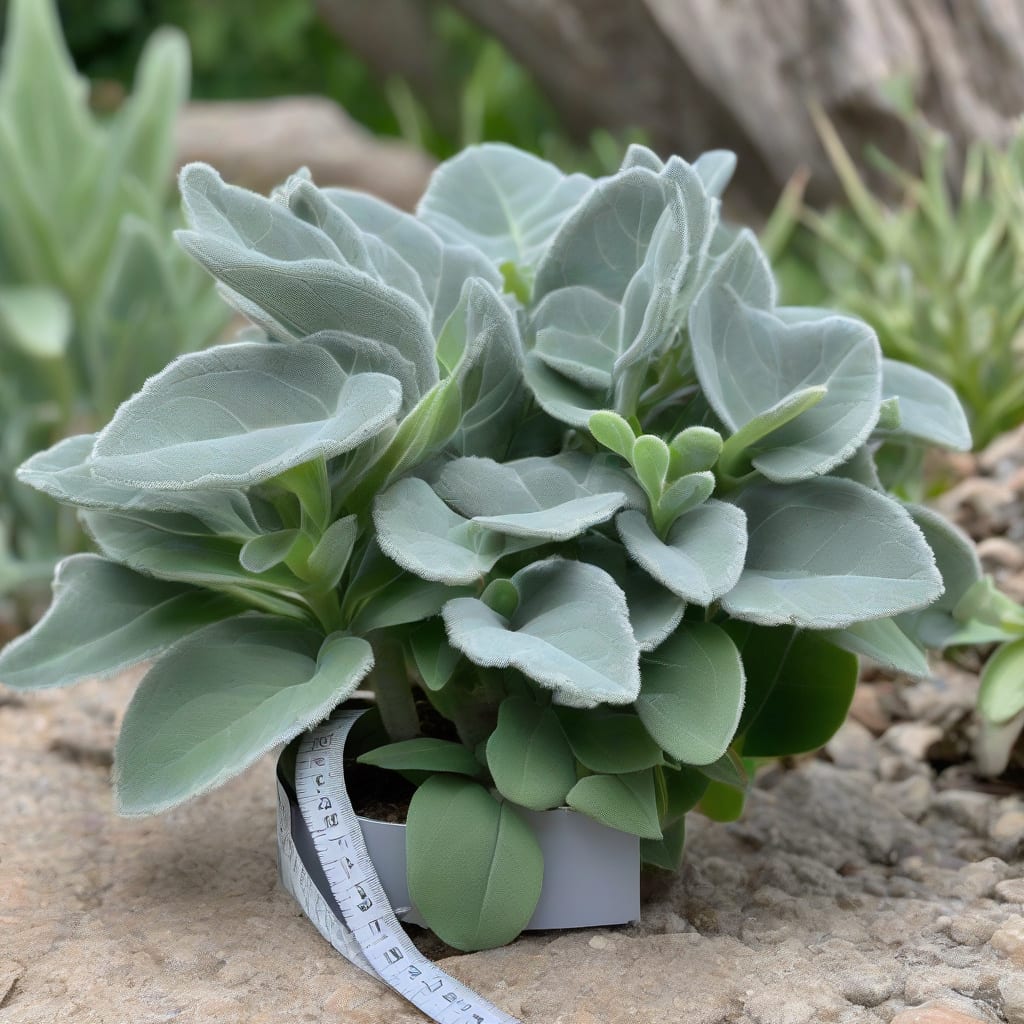
I’ve always been fascinated by Lambs Ear 🌿, a popular perennial known for its soft, velvety leaves and drought tolerance. Understanding its growth habits is key to proper garden placement, especially when considering its mature height of 1-2 feet.
Whether you’re planning a garden in USDA Zone 6 or simply want to know what to expect from this beautiful plant, I’ll guide you through the factors that affect its size and provide practical tips for managing its height.


Lamb’s ear is a popular perennial known for its soft, velvety leaves and drought tolerance. Understanding its growth habits is key to proper garden placement. The plant typically grows to be 1-2 feet tall.
The height of lamb’s ear can vary depending on growing conditions. Factors such as sunlight, soil quality, and watering can all impact the plant’s size. In general, lamb’s ear tends to grow more compactly in full sun and well-draining soil 🌿.
The mature height of lamb’s ear is typically between 1-2 feet, making it a knee-high plant. This height range allows it to be used effectively in various garden designs, from border plants to ground cover.
When planting lamb’s ear, it’s essential to consider its growth rate and spread. The plant has a moderate growth rate and can spread to be 1-2 feet wide. This means that it can form a dense mat of foliage over time, which can be beneficial for suppressing weeds and retaining moisture in the soil.
In terms of USDA zones, lamb’s ear is hardy in zones 4-8. This means that it can thrive in a variety of climates, from cool temperate to warm temperate regions.
To achieve the desired height and shape, it’s crucial to provide lamb’s ear with the right growing conditions. This includes full sun to partial shade and well-draining soil. Regular pruning can also help maintain the plant’s size and promote healthy growth 🌱.
Overall, lamb’s ear is a versatile and low-maintenance perennial that can add beauty and texture to a variety of garden designs. By understanding its growth habits and maximum height, gardeners can make informed decisions about how to use this plant effectively.
With proper care and maintenance, lamb’s ear can be a valuable addition to any garden. Its drought tolerance and low maintenance requirements make it an ideal choice for gardeners who want to create a beautiful and sustainable landscape.
By incorporating lamb’s ear into your garden design, you can enjoy its soft, velvety leaves and attractive foliage for years to come. Whether you’re looking to create a low-maintenance border or add some texture and interest to your garden, lamb’s ear is an excellent choice.
Lamb’s ear height can vary significantly based on growing conditions. The plant’s size is influenced by factors such as sunlight, soil quality, and watering practices. Understanding these factors is crucial for managing the plant’s height effectively 🌿.
In full sun, lamb’s ear tends to grow more compactly, typically reaching its maximum height of 1-2 feet. However, in partial shade, the plant may stretch slightly, potentially becoming taller and less dense.
Soil quality and watering practices also play a significant role in determining lamb’s ear height. Well-draining soil and moderate watering help maintain the plant’s optimal size.
Soil quality is another critical factor affecting lamb’s ear height. The plant thrives in well-draining soil with a moderate nutrient content. Poor soil conditions can lead to stunted growth or weak, leggy stems.
Watering practices also impact lamb’s ear height. Overwatering can cause the plant to become leggy and weak, while underwatering can result in stunted growth. A balanced watering schedule is essential for maintaining the plant’s optimal height.
In addition to these factors, pruning plays a crucial role in managing lamb’s ear height. Regular pruning helps maintain the plant’s shape and promotes healthy growth. By removing dead or damaged leaves, gardeners can encourage the plant to focus its energy on producing new, healthy foliage 🌱.
Overall, understanding the factors that affect lamb’s ear height and spread is essential for effective garden design. By considering sunlight, soil quality, watering practices, and pruning, gardeners can manage the plant’s size and create a beautiful, thriving landscape.
By incorporating these factors into your garden design, you can enjoy the benefits of lamb’s ear, including its soft, velvety leaves and attractive foliage. Whether you’re looking to create a low-maintenance border or add some texture and interest to your garden, lamb’s ear is an excellent choice.
I always consider lamb’s ear’s growth habits when designing garden layouts. The plant typically grows 1-2 feet tall, making it a great choice for border plants or ground cover. Understanding how to manage its height is crucial for creating a beautiful and thriving landscape 🌿.
Regular pruning helps maintain lamb’s ear’s shape and promotes healthy growth. Remove dead or damaged leaves to encourage new foliage.
When using lamb’s ear in garden designs, consider its growth rate and spread. The plant has a moderate growth rate and can spread to be 1-2 feet wide. This means it can form a dense mat of foliage over time, which is beneficial for suppressing weeds and retaining moisture in the soil.
Companion planting is another effective way to manage lamb’s ear height. Pairing it with plants that have similar growing conditions, such as sedum or creeping thyme, can create a visually appealing and low-maintenance garden design.
To maintain the desired height and shape, I recommend regular pruning and division. This will help prevent the plant from becoming too leggy or invasive. By following these tips, you can enjoy the benefits of lamb’s ear in your garden for years to come 🌱.
Overall, lamb’s ear is a versatile and low-maintenance perennial that can add beauty and texture to a variety of garden designs. By understanding its growth habits and managing its height effectively, you can create a stunning and thriving landscape.
