
Beautiful Plants For Your Interior
Beautiful Plants For Your Interior
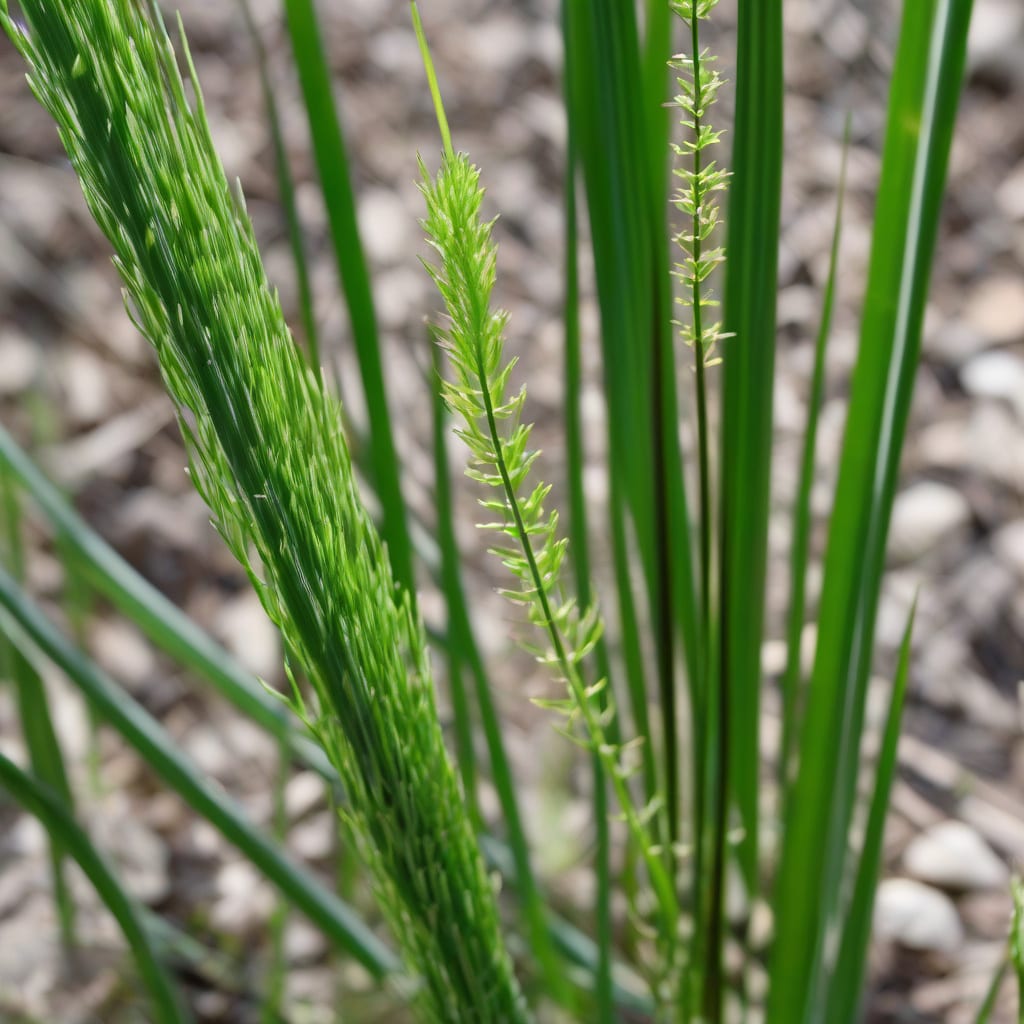
I’ve always been fascinated by Horsetail 🌿, a plant that’s both ancient and modern in its uses. Growing 2-6 feet tall in USDA zones 4-9, its height can vary based on growing conditions.
Understanding how tall Horsetail can grow helps you plan your garden effectively. Let’s explore the factors that influence its growth and how to make the most of this versatile plant.

Horsetail plants are known for their impressive height, which can vary based on several factors. Understanding these factors is crucial for gardeners who want to cultivate this unique plant effectively. The typical height range for Horsetail is between 2 to 6 feet, making it a medium-sized plant in most garden settings 🌿.
The height of Horsetail plants is influenced by various environmental factors. In USDA zones 4-9, where Horsetail typically thrives, the plant can achieve its maximum potential height. The spring season is particularly important for Horsetail growth, as it allows the plant to establish itself before the summer months 🌞.
Several factors contribute to the overall height of Horsetail plants. These include soil quality, moisture levels, and sunlight exposure. Horsetail prefers moist soil and can tolerate partial shade to full sun, making it a versatile choice for various garden settings 🌻.
In ideal conditions, with consistent moisture and appropriate sunlight, Horsetail can reach its maximum height within 3-5 growing seasons. Gardeners can support healthy growth by ensuring the soil remains consistently and providing adequate nutrients 🥕.
The typical growth pattern for Horsetail involves rapid initial growth in the first year, followed by continued development in subsequent years. By understanding these growth patterns, gardeners can better manage their Horsetail plants and ensure they reach their full potential 📈.
Factors such as soil pH, nutrient availability, and competition from other plants can also impact the final height of Horsetail. By controlling these factors, gardeners can optimize growing conditions for their Horsetail plants 🌟.
In summary, Horsetail is a versatile plant that can grow to varying heights based on environmental conditions. By understanding the factors that influence its growth, gardeners can cultivate healthy, thriving Horsetail plants that add unique texture and interest to their gardens 🌿.
Overall, Horsetail is a low-maintenance plant that can thrive in a variety of conditions, making it an excellent choice for gardeners of all experience levels. With proper care and attention, Horsetail can become a beautiful and striking addition to any garden 🌸.
Understanding the factors that influence Horsetail height is crucial for gardeners who want to cultivate this unique plant effectively. The height of Horsetail plants can vary significantly based on several environmental factors 🌿.
Several key factors affect Horsetail growth height, including soil quality, moisture levels, and sunlight exposure. Horsetail prefers moist soil and can tolerate partial shade to full sun, making it a versatile choice for various garden settings 🌻.
By understanding and controlling these factors, gardeners can optimize growing conditions for their Horsetail plants. This includes ensuring consistent moisture, providing adequate nutrients, and selecting the right sunlight exposure 🌟.
In ideal conditions, with proper care and attention, Horsetail can reach its maximum height within 3-5 growing seasons. Gardeners can support healthy growth by maintaining optimal environmental conditions 📈.
Factors such as soil pH and nutrient availability can also impact Horsetail height. By managing these factors, gardeners can promote healthy, vigorous growth 🌿.
Overall, Horsetail is a versatile plant that can thrive in various conditions. By understanding the factors that influence its growth, gardeners can cultivate healthy, thriving Horsetail plants that add unique texture and interest to their gardens 🌸.
With proper care and attention, Horsetail can become a beautiful and striking addition to any garden. Its unique growth habits and versatility make it an excellent choice for gardeners of all experience levels 🌻.
Managing Horsetail height is crucial for maintaining a balanced garden ecosystem. The plant’s height can range between 2 to 6 feet, making it essential to understand how to control its growth effectively 🌿.
To manage Horsetail height effectively, ensure consistent moisture levels and provide adequate nutrients. Regular pruning can also help maintain the desired height 🌸.
Several strategies can help manage Horsetail height in garden settings. These include regular pruning, soil management, and proper watering techniques. By implementing these strategies, gardeners can maintain a healthy and balanced garden ecosystem 🌱.
Pruning is an effective way to control Horsetail height. Regularly removing dead or damaged stems can help maintain the plant’s overall health and appearance. Additionally, pruning can encourage new growth and prevent the plant from becoming too leggy ✂️.
Soil management is also crucial for managing Horsetail height. Ensuring the soil remains moist and fertile can promote healthy growth and prevent the plant from becoming too stressed. Gardeners can achieve this by adding organic matter such as compost or manure 🌿.
Proper watering techniques are essential for maintaining Horsetail health. The plant prefers consistent moisture, so gardeners should ensure the soil remains damp but not waterlogged. This can be achieved by watering regularly, especially during dry periods ☁️.
By understanding and implementing these strategies, gardeners can effectively manage Horsetail height and maintain a balanced garden ecosystem. With proper care and attention, Horsetail can become a beautiful and striking addition to any garden 🌸.
In summary, managing Horsetail height requires a combination of regular pruning, soil management, and proper watering techniques. By following these tips, gardeners can maintain a healthy and thriving Horsetail plant that adds unique texture and interest to their gardens 🌿.
