
Beautiful Plants For Your Interior
Beautiful Plants For Your Interior
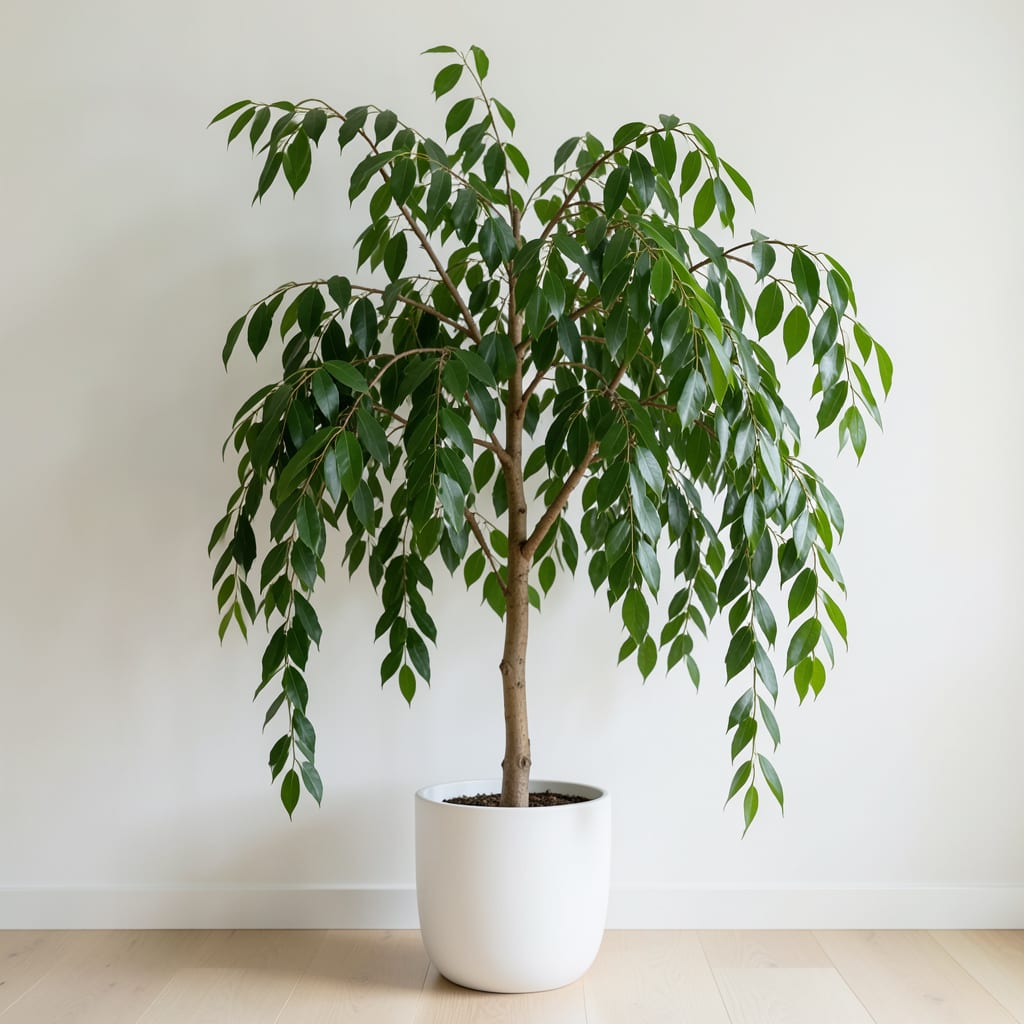
I’ve always been fascinated by the Weeping Fig 🌳, known for its elegant drooping branches and lush green foliage. Understanding how tall it can grow is crucial for proper care, especially when cultivating this beautiful plant in your home or garden.
The Weeping Fig can grow quite tall – in ideal conditions, it can reach heights of up to 30 feet. Factors like lighting, watering, and pruning play a significant role in determining its ultimate height. Let’s explore what you need to know to care for your Weeping Fig effectively.


Ficus benjamina, commonly known as the weeping fig, is a versatile plant that can grow to varying heights depending on its environment. In its natural habitat, it can reach impressive heights, but when cultivated indoors, its growth is typically more contained.
The maximum height potential of Ficus benjamina is an important consideration for gardeners and indoor plant enthusiasts. Understanding this can help in planning the appropriate space and care for the plant 🌳.
Ficus benjamina’s height is influenced by various factors including lighting, watering, and pruning practices. In optimal outdoor conditions, it can achieve its maximum height potential, while indoor conditions typically result in more controlled growth.
The plant’s growth rate is considered, with most Weeping Figs growing 1-2 feet annually. This rate can be influenced by factors such as light exposure, watering frequency, and nutrient availability.
To manage the height of Ficus benjamina effectively, it’s essential to understand its natural growth tendencies and how different care practices can impact its development.
For indoor cultivation, regular pruning is key to maintaining a desired height and promoting a bushy, healthy appearance. Pruning should be done during the growing season to encourage new growth and control the plant’s size.
Ficus benjamina’s adaptability to different environments makes it a popular choice for both indoor and outdoor landscaping. Its ability to thrive in various conditions contributes to its widespread use in decorative gardening and interior design.
When grown outdoors in suitable climates, Ficus benjamina can become a substantial tree, providing shade and aesthetic appeal. In colder regions, it’s often grown in containers that can be moved indoors during winter.
The plant’s versatility in growth makes it suitable for various landscaping needs, from compact indoor arrangements to larger outdoor specimens.
Understanding the factors that influence Ficus benjamina’s height is crucial for achieving the desired growth pattern. Proper care and maintenance are essential for maximizing its growth potential while maintaining its health and appearance.
By providing the right conditions and appropriate care, gardeners can enjoy the beauty of Ficus benjamina at its full potential, whether in a compact indoor setting or as a larger outdoor feature.
Regular monitoring and adjustment of care practices will help ensure that the plant remains healthy and continues to thrive at the desired height 🌿.
The height of Ficus benjamina is influenced by several key factors that gardeners need to consider for optimal growth. Understanding these factors helps in creating the right conditions for the plant to thrive 🌳.
Lighting conditions play a crucial role in determining the height of Ficus benjamina. The plant prefers bright, indirect light but can adapt to various lighting conditions. Proper lighting encourages healthy growth and helps maintain the desired height.
By understanding and managing these factors, gardeners can effectively influence the height of their Ficus benjamina, ensuring it remains healthy and visually appealing. Regular monitoring and adjustments to care practices are essential for achieving the desired growth pattern 🌿.
The combination of proper care and understanding the plant’s natural tendencies allows for better control over its height. This knowledge empowers gardeners to make informed decisions about their plant care routines.
For those looking to maintain a compact Ficus benjamina, regular pruning and appropriate container sizing are particularly important. These practices help keep the plant at a manageable height while promoting overall health 🌱.
I always emphasize the importance of proper pruning techniques when it comes to managing the height of Ficus benjamina. Regular pruning not only helps control the plant’s height but also promotes a bushier, healthier appearance 🌿.
Pruning Ficus benjamina requires careful consideration of the right techniques and timing. By understanding how to prune effectively, you can maintain your plant at a desired height while encouraging vigorous growth.
Begin by identifying branches that are overgrown or extending beyond your desired shape. Look for branches that are crossing or rubbing against each other, as these can cause damage and should be removed.
Always use clean, sharp pruning shears or scissors to make precise cuts. This helps prevent spreading diseases and promotes quick healing.
Prune your Ficus benjamina during the growing season (spring and summer) when the plant is actively producing new growth. This encourages the plant to heal quickly and promotes bushier growth.
After pruning, regularly monitor your plant’s response and adjust your pruning schedule as needed. This ensures that your Ficus benjamina remains healthy and maintains the desired height 🌟.
By following these pruning techniques, you can effectively manage the height of your Ficus benjamina while promoting overall plant health. Pruning is an essential part of Ficus care, helping to maintain a balanced and attractive shape 🌱.
Regular pruning also allows you to inspect your plant closely for any signs of pests or disease, enabling you to address issues promptly and keep your Ficus benjamina thriving.
With consistent care and attention to pruning, your Ficus benjamina can remain a beautiful and manageable addition to your indoor or outdoor space, providing elegance and greenery for years to come 🌿.
Ficus benjamina grows at a moderate rate, averaging 1-2 feet per year. This rate can vary based on factors like light exposure, watering, and nutrient availability. Proper care can support healthy growth.
Yes, you can control the height through regular pruning. Prune during the growing season (spring and summer) to maintain your desired height and promote bushier growth. Use clean, sharp tools for best results.
In ideal outdoor conditions, Ficus benjamina can reach heights of up to 30 feet. However, indoor conditions typically result in more controlled growth, usually between 6-10 feet.
Several factors influence Ficus benjamina’s height, including lighting conditions, watering practices, pruning techniques, container size, and nutrient availability. Proper care and management of these factors can help achieve the desired height.
