
Beautiful Plants For Your Interior
Beautiful Plants For Your Interior
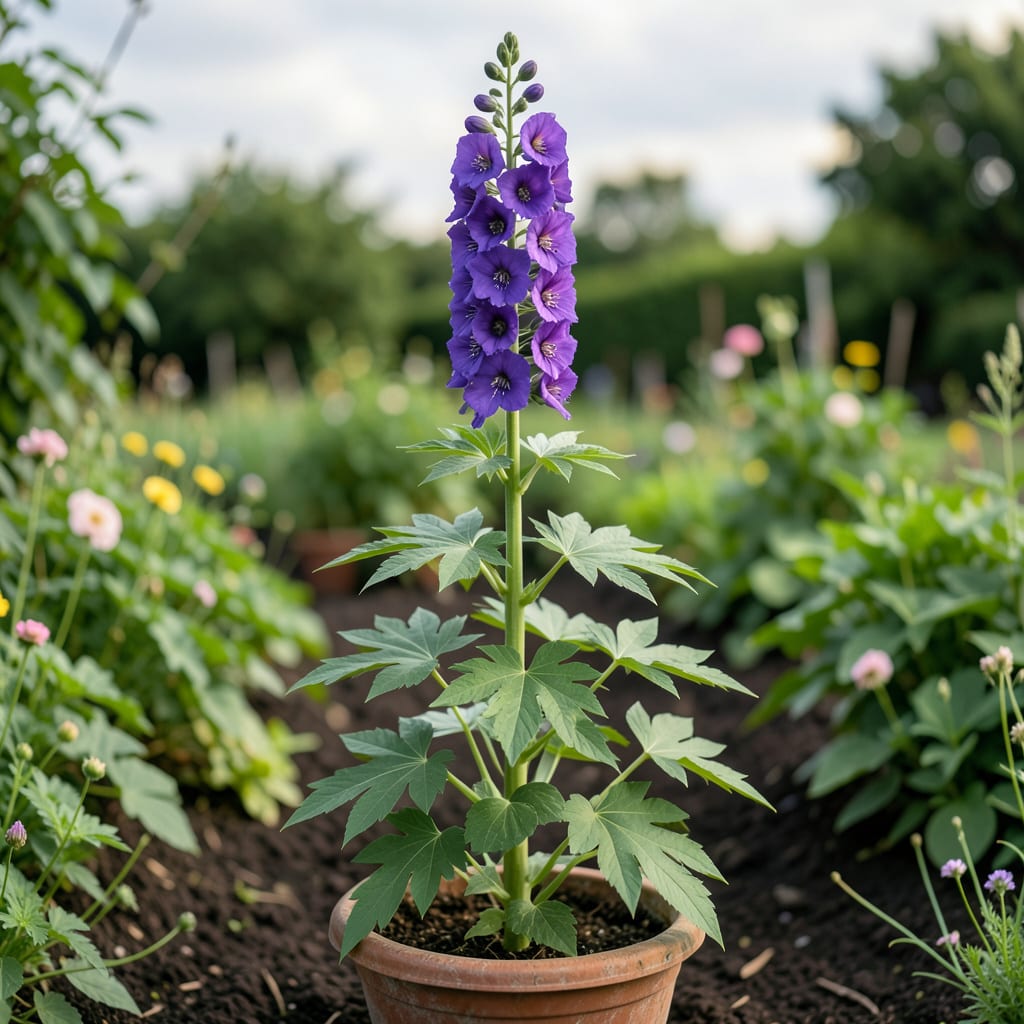
I’ve always been fascinated by Delphinium 💐, those statuesque flowers that can add drama and height to any garden. Growing in USDA Zone 6, these plants can reach impressive heights, but how tall can they really get?
Understanding Delphinium’s growth potential is crucial for garden planning – they can grow as tall as 6 feet, making them a striking addition to any landscape. Let’s explore what affects their height and how to make the most of these beautiful flowers.


When growing delphiniums, understanding their height potential is crucial for garden planning. These statuesque flowers can add significant vertical drama to any landscape, but their growth can vary based on several factors.
The typical height range for delphiniums is between 2 to 6 feet, with some varieties growing even taller under optimal conditions. Factors such as soil quality, sunlight exposure, and staking can all impact their final height 🌼.
Delphiniums are known for their rapid growth, especially during the spring and early summer months. To achieve their full height potential, they require full sun and well-draining soil. Regular watering and fertilization also play a critical role in supporting their growth.
The height of delphiniums can be influenced by the quality of care they receive. Proper staking is essential to prevent the tall stems from bending or breaking in the wind.
Different varieties of delphiniums have different height expectations. While some may remain relatively compact, others can grow quite tall. Understanding these differences is key to planning a garden that meets your aesthetic and spatial needs 🌿.
To maximize height, gardeners should focus on providing optimal growing conditions, including rich soil and adequate sunlight. Regular maintenance, such as deadheading and staking, can also encourage healthier and taller plants.
Delphiniums are a popular choice for gardeners looking to add height and color to their gardens. With the right care, these plants can reach impressive heights and provide a stunning backdrop for other garden features.
By understanding the factors that influence delphinium height, gardeners can better plan and care for these beautiful plants. This knowledge can help ensure that delphiniums reach their full potential and add drama and beauty to the garden 🌻.
Overall, delphiniums are a versatile and attractive addition to any garden. Their height potential makes them an excellent choice for adding vertical interest and creating a dynamic landscape.
In conclusion, delphiniums can grow to be quite tall, with heights ranging from 2 to 6 feet or more under the right conditions. By providing optimal care and understanding the factors that influence their growth, gardeners can enjoy these beautiful plants to their fullest potential.
Understanding the factors that influence delphinium growth height is crucial for gardeners who want to maximize their plant’s potential. Several key elements can affect how tall these beautiful flowers will grow 🌼.
Soil quality plays a significant role in delphinium height. These plants thrive in rich, well-draining soil that is high in organic matter. Soil that is too dense or poorly draining can limit root growth and, consequently, the overall height of the plant.
Sunlight exposure is another critical factor. Delphiniums require full sun to reach their maximum height potential. In areas with less sunlight, these plants may grow shorter and produce fewer flowers 🌻.
Staking is essential for tall delphinium varieties. Without proper support, the heavy flower spikes can cause the stems to bend or break, limiting their height. Gardeners should stake their delphiniums early in the growing season to ensure they grow straight and tall 🌿.
The variety of delphinium also influences its height. Some dwarf varieties are bred to be more compact, while standard varieties can grow much taller. Understanding the specific needs and growth habits of your delphinium variety is key to achieving the desired height.
By focusing on these key factors, gardeners can create optimal conditions for their delphiniums to grow tall and healthy. Proper care and attention to detail can make a significant difference in the overall height and beauty of these stunning plants 🌼.
Regular maintenance, such as deadheading and pruning, can also encourage healthier and taller plants. By removing spent flowers, gardeners can direct the plant’s energy towards growth rather than seed production.
In conclusion, the height of delphiniums is influenced by a combination of factors including soil quality, sunlight exposure, staking, and variety. By understanding and addressing these factors, gardeners can help their delphiniums reach their full height potential.
To help delphiniums reach their full height potential, gardeners need to focus on providing optimal growing conditions. This includes ensuring they receive full sun and are planted in well-draining, nutrient-rich soil. Proper care techniques can make a significant difference in the overall height and health of these beautiful plants 🌼.
For maximum height, use balanced fertilizers during the growing season and ensure consistent moisture levels. Regular staking is also crucial for tall varieties to prevent stem damage.
One of the most critical factors in maximizing delphinium height is proper staking. Without adequate support, tall stems can bend or break under the weight of their flower spikes. Gardeners should stake their delphiniums early in the growing season to encourage straight growth 🌿.
Regular maintenance is also essential for promoting healthy growth. This includes deadheading spent flowers to direct the plant’s energy towards growth rather than seed production. Additionally, removing weak or damaged stems can help improve air circulation and reduce the risk of disease.
Fertilization plays a key role in supporting delphinium growth. Using a balanced fertilizer during the growing season can provide the necessary nutrients for optimal height. Gardeners should follow the recommended fertilization schedule for their specific delphinium variety.
By combining these expert tips with optimal growing conditions, gardeners can help their delphiniums achieve impressive heights. With proper care, these stunning plants can add significant vertical drama to any garden landscape 🌻.
In summary, maximizing delphinium height requires attention to detail and a commitment to providing optimal care. By following these expert gardening tips, gardeners can enjoy tall, healthy delphiniums that enhance their garden’s beauty.
Delphiniums usually grow between 2 to 6 feet tall, with some varieties reaching even greater heights under optimal conditions. The height can vary based on factors like soil quality and sunlight exposure. Proper care can help maximize their growth potential .
To encourage maximum height, provide your delphiniums with full sun and plant them in well-draining, nutrient-rich soil. Regular maintenance like staking and deadheading can also promote healthier and taller plants. Using a balanced fertilizer during the growing season can further support their growth .
Staking is crucial for tall delphinium varieties as it prevents the heavy flower spikes from causing the stems to bend or break. By staking early in the growing season, you can encourage straight growth and help your plants reach their full height potential .
Delphiniums need consistent moisture, so water them weekly during the growing season. Fertilize with a balanced fertilizer every 4-6 weeks to provide necessary nutrients for optimal growth. Adjust based on your specific variety’s needs and local climate conditions .
