
Beautiful Plants For Your Interior
Beautiful Plants For Your Interior
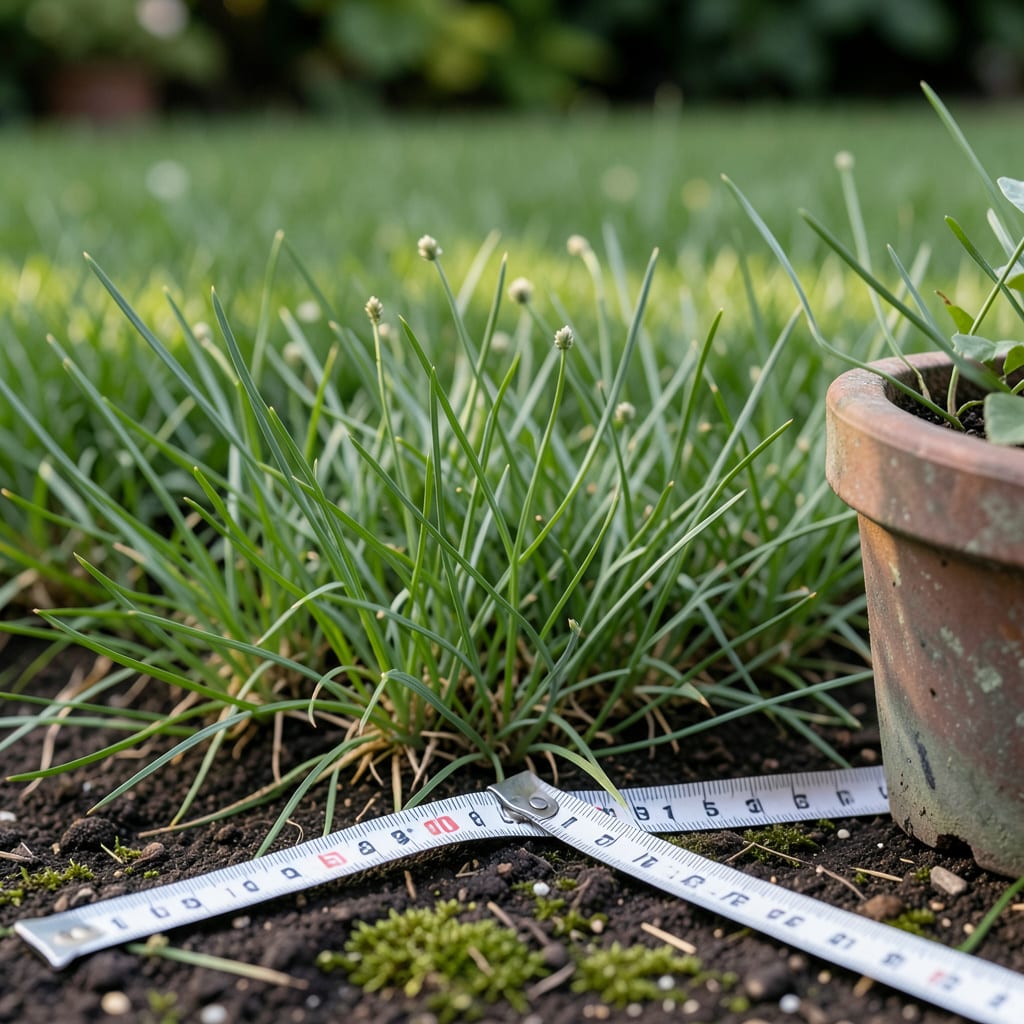
As I tend to my lawn 🌱, I often wonder about the ideal height for bluegrass. Understanding how tall bluegrass grows is crucial for maintaining a lush, healthy lawn in USDA Zone 6. The height can significantly impact its overall health and appearance.
Bluegrass typically grows between 0.5 to 2.5 feet tall. To achieve the perfect height, it’s essential to understand the factors that influence its growth. Let’s explore the optimal conditions and maintenance tips for a thriving bluegrass lawn.


Understanding the factors that influence bluegrass growth is crucial for maintaining a healthy lawn. The height of bluegrass can vary significantly based on several key factors. Let’s explore these factors in detail.
Bluegrass growth is influenced by soil quality, climate conditions, and maintenance practices. Soil quality affects nutrient availability, while climate conditions impact growth rates. Maintenance practices such as mowing and fertilizing also play a critical role 🌿.
The ideal soil conditions for bluegrass include well-drained soil with a pH between 6.0 and 7.0. Bluegrass prefers full sun to partial shade, making it versatile for different lawn conditions 🌻.
Maintaining the optimal mowing height is essential for bluegrass health. The recommended height is between 2.5 to 3 inches. Regular mowing at this height promotes a dense, weed-resistant lawn 🌿.
Fertilization is another critical aspect of bluegrass care. Applying a high-nitrogen fertilizer in early spring and fall helps promote healthy growth. It’s also important to water deeply but infrequently to encourage deep root growth 💧.
Understanding these factors and implementing proper care techniques can significantly impact the height and overall health of your bluegrass lawn. By maintaining optimal conditions, you can achieve a lush, vibrant lawn that enhances your outdoor space.
Bluegrass growth can be affected by various factors, including soil compaction, thatch buildup, and pest infestations. Regular lawn maintenance helps mitigate these issues and promotes healthy growth 🌱.
To achieve the ideal height, it’s essential to monitor your lawn regularly and adjust your maintenance practices accordingly. This includes maintaining the right mowing height, fertilizing appropriately, and ensuring adequate watering.
By following these guidelines and understanding the factors that influence bluegrass growth, you can maintain a healthy, attractive lawn that thrives throughout the growing season.
In summary, maintaining a healthy bluegrass lawn requires attention to soil quality, climate conditions, and maintenance practices. By optimizing these factors, you can achieve a lush, vibrant lawn that enhances your outdoor space 🌼.
I maintain that understanding the optimal height for bluegrass lawns is crucial for achieving a lush, healthy appearance. The ideal height can significantly impact the overall health and density of the grass.
Bluegrass typically grows between 0.5 to 2.5 feet tall. To achieve the perfect height, it’s essential to understand the factors that influence its growth.
Keep your bluegrass lawn at 2.5-3 inches height for optimal health and density.
Apply high-nitrogen fertilizer in early spring and fall to promote healthy growth.
Encourage deep root growth by watering your lawn 1 inch per week, either through rainfall or irrigation.
To maintain the ideal height, it’s essential to monitor your lawn regularly and adjust your maintenance practices accordingly. Regular mowing, fertilizing, and watering help promote a dense, weed-resistant lawn 🌿.
By following these guidelines and understanding the factors that influence bluegrass growth, you can achieve a lush, vibrant lawn that enhances your outdoor space. Proper maintenance is key to maintaining the optimal height and overall health of your bluegrass lawn 🌱.
In summary, maintaining a healthy bluegrass lawn requires attention to mowing height, fertilization, and watering practices. By optimizing these factors, you can achieve a lush, vibrant lawn that thrives throughout the growing season 🌼.
Regular maintenance not only promotes healthy growth but also helps prevent common issues such as soil compaction, thatch buildup, and pest infestations. By staying on top of these factors, you can enjoy a beautiful, thriving bluegrass lawn.
By implementing these expert tips, you can achieve the perfect height for your bluegrass lawn and enjoy a lush, healthy appearance throughout the growing season.
I have found that maintaining a healthy bluegrass lawn can be challenging due to common mistakes that affect its height and overall health. Understanding these mistakes is crucial for achieving a lush, vibrant lawn.
Bluegrass lawn care requires attention to detail and proper maintenance practices. Let’s explore some common mistakes that can impact bluegrass height and overall lawn health.
Avoid mowing too low, as it can stress the grass and lead to disease. Maintain a height of 2.5-3 inches for optimal health.
Inadequate watering is another common mistake that can impact bluegrass height. Bluegrass requires 1 inch of water per week, either through rainfall or irrigation. Watering deeply but infrequently encourages deep root growth 🌿.
Over-fertilization can also harm bluegrass lawns. Applying too much fertilizer can cause excessive growth, leading to thatch buildup and increased maintenance needs. Follow recommended fertilization guidelines to avoid this issue.
To maintain a healthy bluegrass lawn, it’s essential to monitor your lawn regularly and adjust your maintenance practices accordingly. Regular mowing, fertilizing, and watering help promote a dense, weed-resistant lawn 🌱.
By avoiding these common mistakes and following proper maintenance practices, you can achieve a lush, vibrant bluegrass lawn that enhances your outdoor space. Proper care is key to maintaining the optimal height and overall health of your bluegrass lawn 🌼.
In summary, maintaining a healthy bluegrass lawn requires attention to mowing height, watering practices, and fertilization. By optimizing these factors, you can achieve a lush, vibrant lawn that thrives throughout the growing season.
The recommended mowing height for bluegrass is between 2.5 to 3 inches. Maintaining this height promotes a dense, weed-resistant lawn. Regular mowing at this height is essential for optimal health and density.
Bluegrass requires 1 inch of water per week, either through rainfall or irrigation. Watering deeply but infrequently encourages deep root growth. This helps maintain a healthy and vibrant lawn.
Apply high-nitrogen fertilizer in early spring and fall to promote healthy growth. Fertilizing every 6-8 weeks during the growing season helps maintain optimal health. Be cautious not to over-fertilize, as this can cause excessive growth.
Bluegrass prefers full sun to partial shade, making it versatile for different lawn conditions. While it can tolerate some shade, it thrives best in areas with 6+ hours of direct sunlight daily.
