
Beautiful Plants For Your Interior
Beautiful Plants For Your Interior
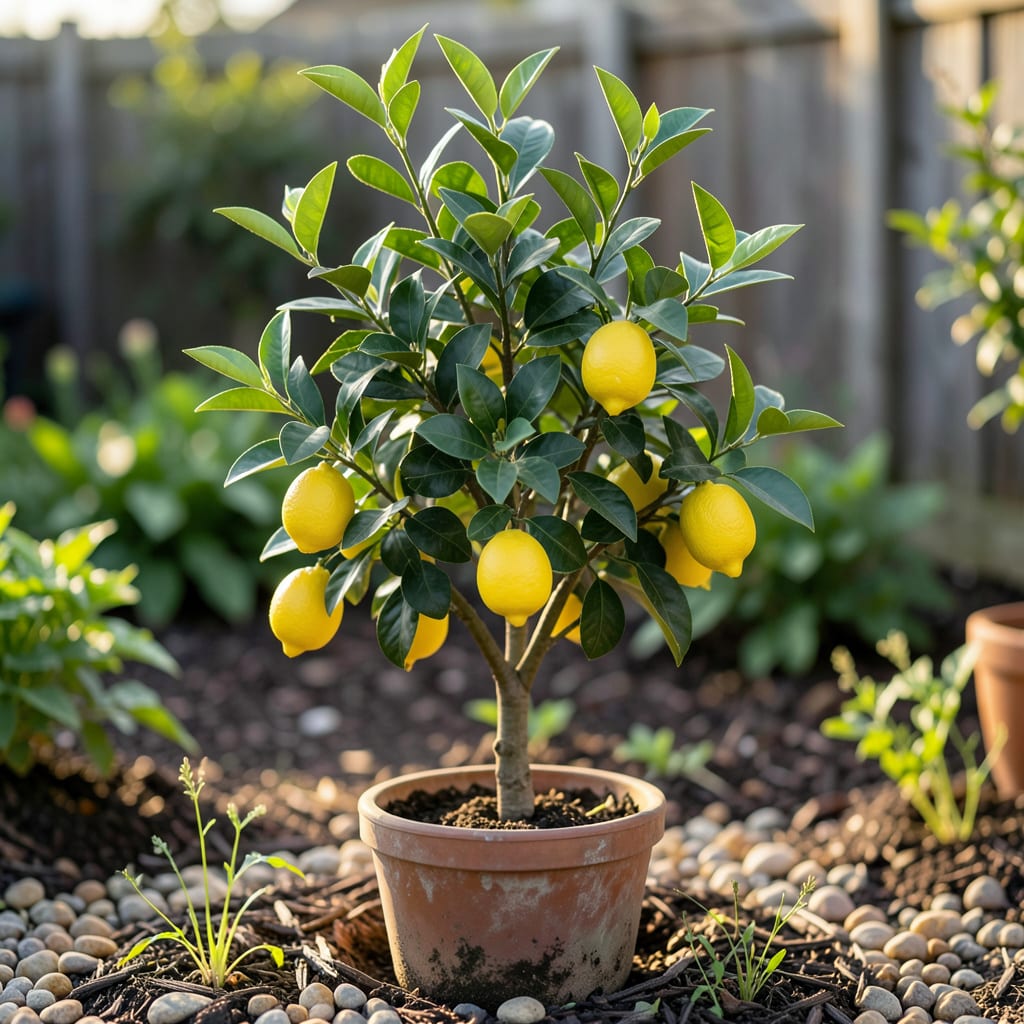
I’ve always been fascinated by dwarf lemon trees 🍋 – they’re perfect for small spaces and still produce an abundance of citrus. Growing in USDA zone 6a, these compact trees can thrive with proper care.
So, how tall can you expect your dwarf lemon tree to grow? Let’s explore the typical height range and factors that influence their size, from rootstock to pruning practices.


Dwarf lemon trees are popular for their compact size and abundant fruit production. They typically grow between 4 to 8 feet tall, making them ideal for small gardens or containers. The exact height can vary based on several factors 🌿.
The rootstock used for grafting significantly influences the tree’s overall size. Some rootstocks are bred specifically to keep the tree compact, while others may allow more vigorous growth. Growing conditions, such as soil quality, sunlight, and watering practices, also play a crucial role in determining the tree’s height 🌱.
Pruning is a critical factor in managing the height of dwarf lemon trees. Regular pruning helps maintain the desired shape and size while encouraging fruiting. Pruning techniques can vary depending on the tree’s age and growth pattern 🔄.
Container-grown trees often remain smaller than those planted directly in the ground. The container size restricts root growth, which in turn affects the overall size of the tree. For ground-planted trees, regular pruning becomes even more essential to keep the tree at a manageable height 🌳.
Understanding these growth patterns is key to successfully cultivating a dwarf lemon tree. By considering factors like rootstock, growing conditions, and pruning practices, you can better manage the tree’s height and enjoy a bountiful harvest 🍋.
Dwarf lemon trees are not only compact but also relatively fast-growing, especially when young. They can grow 1-2 feet per year under optimal conditions. However, their growth rate slows as they mature 📈.
The mature height of a dwarf lemon tree is generally between 4 to 8 feet. This range allows for easy harvesting and maintenance, making them a favorite among home gardeners 🌟.
In addition to their manageable size, dwarf lemon trees are known for their abundant fruit production. With proper care, a single tree can produce dozens of lemons each year, providing a steady supply for cooking and other uses 🍋.
To summarize, dwarf lemon trees offer a perfect blend of compact growth and fruitful production. By understanding and managing the factors that influence their height, you can enjoy the many benefits these trees provide 🌿.
I’ve found that managing the height of a dwarf lemon tree is crucial for maintaining its compact size and ensuring abundant fruit production. One of the most effective ways to control the height is through regular pruning techniques. By pruning your tree annually, you can maintain its desired shape and size while encouraging fruiting 🌿.
The container size also plays a significant role in determining the tree’s height. Container-grown trees often remain smaller than those planted directly in the ground because the container restricts root growth. For ground-planted trees, regular pruning becomes even more essential to keep the tree at a manageable height 🌳.
Prune your dwarf lemon tree every year to maintain its shape and encourage fruiting.
Be mindful of the container size, as it can limit the tree’s root growth and overall size.
Use training methods like espaliering to control the tree’s height and promote a balanced structure.
In my experience, pruning is not just about cutting back branches; it’s an art that requires understanding the tree’s growth patterns. By pruning your dwarf lemon tree correctly, you can enhance its overall health and productivity 🌟.
When it comes to container-grown trees, the size of the container can significantly impact the tree’s height. A larger container can allow for more root growth, potentially leading to a larger tree. However, even in larger containers, regular pruning is necessary to maintain the desired height 📦.
Training methods like espaliering can also be effective in controlling the height of your dwarf lemon tree. By training the tree to grow against a wall or trellis, you can promote a more balanced structure and limit its overall size 🏗️.
To keep your dwarf lemon tree at the ideal height, it’s essential to monitor its growth regularly. Check for signs of vigorous growth and adjust your pruning schedule accordingly 🔍.
By combining these techniques—regular pruning, appropriate container size, and training methods—you can effectively manage the height of your dwarf lemon tree and enjoy a bountiful harvest 🍋.
Dwarf lemon trees come in various cultivars, each with its own growth habits and size characteristics. Understanding these differences is crucial for gardeners to make informed decisions about which variety to grow 🌿.
The height of dwarf lemon trees can vary significantly between different cultivars. While most dwarf varieties typically grow between 4 to 8 feet tall, some may remain more compact, while others can reach the upper end of this range or slightly exceed it 📏.
When selecting a dwarf lemon tree, it’s essential to consider the space available in your garden or container. Some varieties, like the Dwarf Meyer, are more compact and suitable for smaller spaces, while others may require more room to grow 🌳.
Gardeners should also be aware of the growth rate of their chosen variety. Some dwarf lemon trees can grow relatively quickly, especially when young, while others may have a slower growth rate 🌱.
Understanding the specific needs and characteristics of different dwarf lemon tree varieties can help gardeners make the most of their citrus-growing experience. By choosing the right variety for your space and providing appropriate care, you can enjoy a bountiful harvest of delicious lemons 🍋.
In addition to their size variations, dwarf lemon trees are known for their abundant fruit production. Most varieties will produce fruit within 2-3 years of planting, and with proper care, they can continue to produce for many years 📈.
To maximize the potential of your dwarf lemon tree, it’s crucial to provide it with optimal growing conditions, including full sun, well-draining soil, and regular watering. Proper care will not only promote healthy growth but also encourage fruiting 🌟.
By understanding the size variations and growth habits of different dwarf lemon tree varieties, gardeners can make informed decisions and enjoy the many benefits these trees provide 🌿.
Dwarf lemon trees typically grow between 4 to 8 feet tall, making them ideal for small gardens or containers. The exact height can vary based on factors like rootstock and growing conditions. Regular pruning helps maintain the desired height.
Dwarf lemon trees are relatively fast-growing, especially when young. They can grow 1-2 feet per year under optimal conditions. However, their growth rate slows as they mature. Proper care and regular pruning support healthy growth.
Yes, you can control the height through regular pruning techniques and choosing the right container size. Pruning annually helps maintain the desired shape and size while encouraging fruiting. Container size also impacts the tree’s overall height.
Yes, different cultivars have varying height ranges. For example, Dwarf Meyer lemon trees typically grow 4-6 feet tall, while Dwarf Washington trees can reach 6-8 feet. Choosing the right variety for your space is essential.
